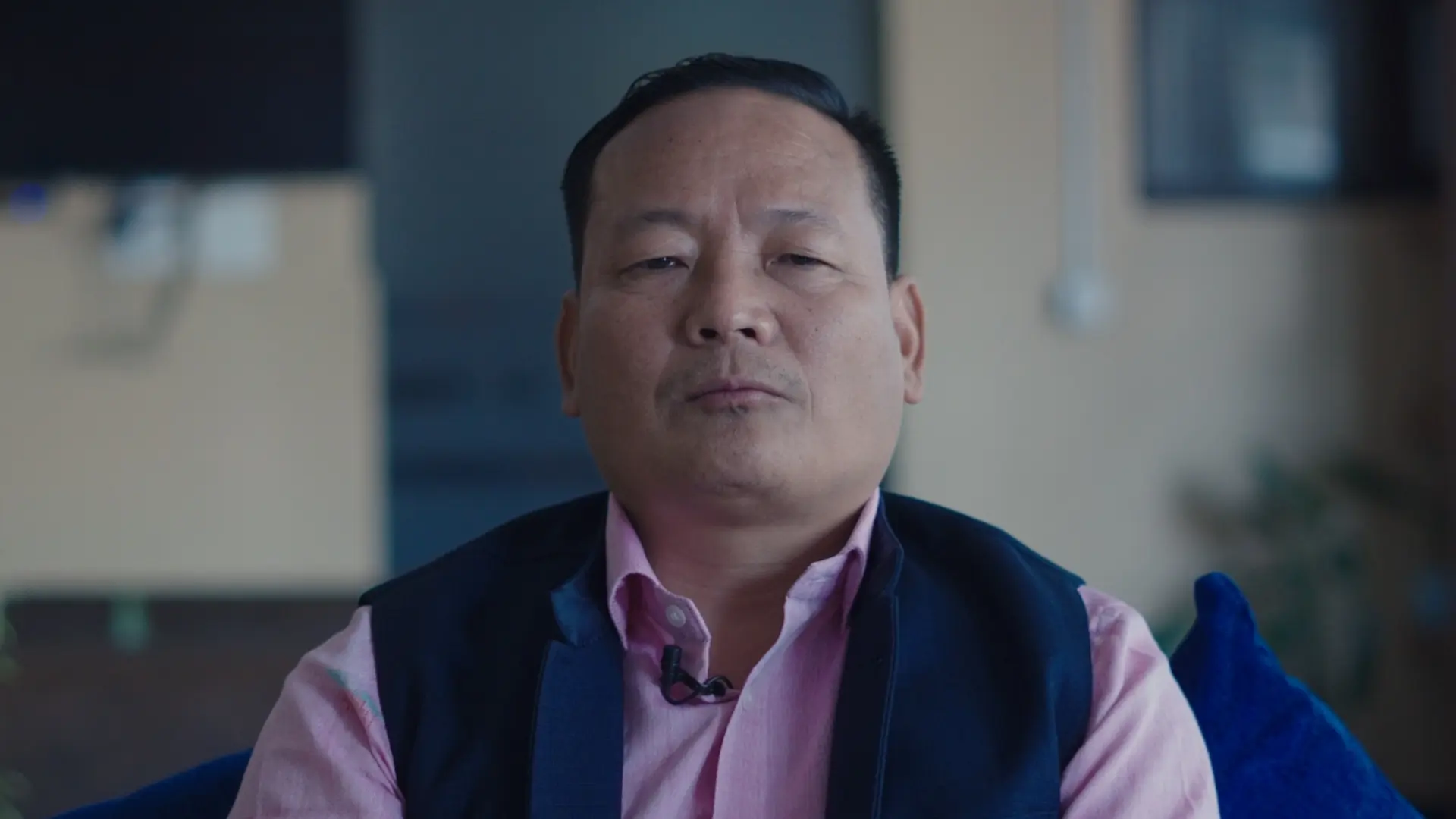


Resham Chhantyal of Gurja, Dhaulagiri Rural Municipality–1 in Myagdi district, has abandoned traditional sheep farming and embraced commercial beekeeping as a sustainable livelihood.
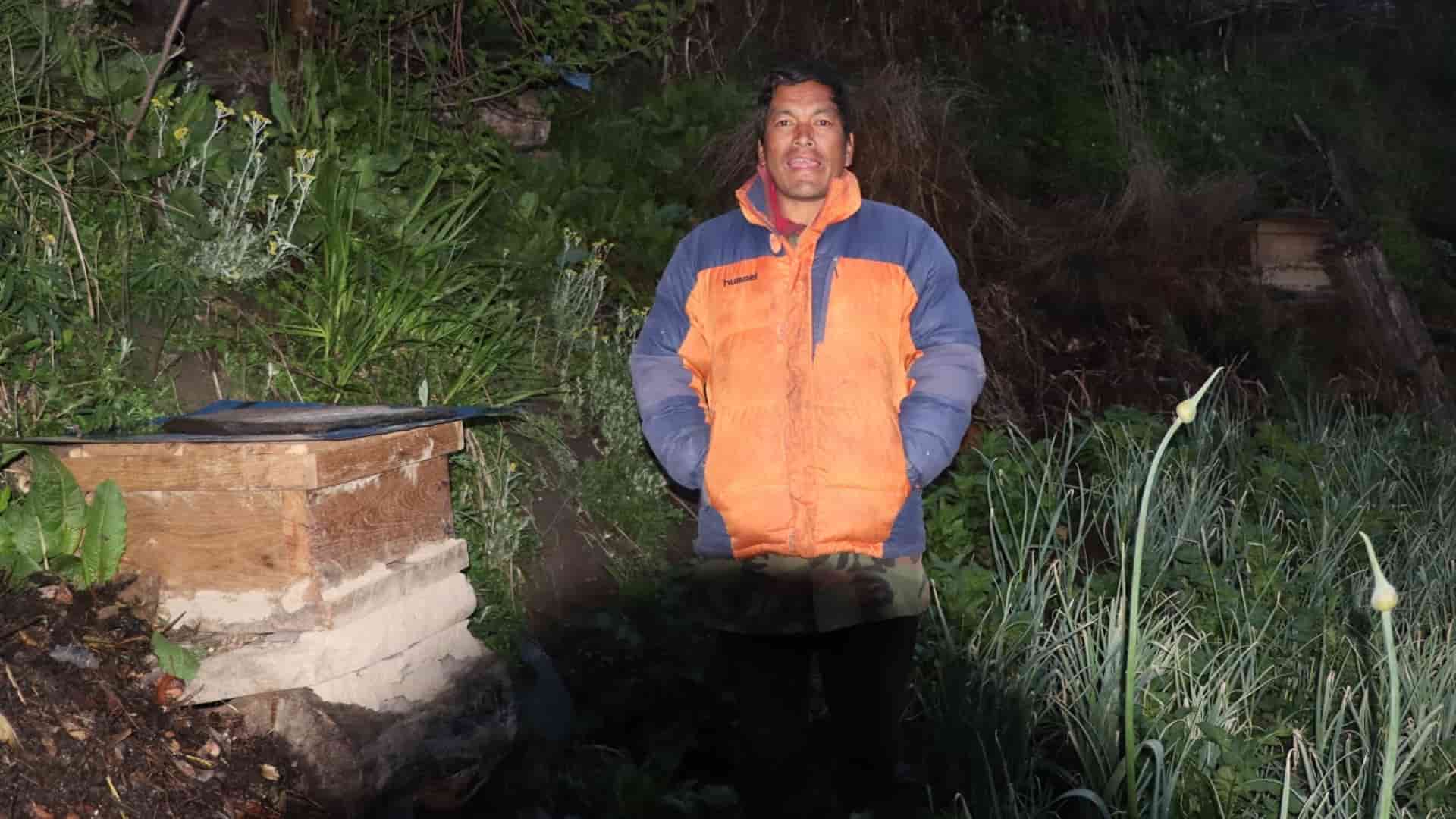
The 44-year-old entrepreneur, who once spent years herding sheep across highlands and lowlands in all seasons, says beekeeping has provided him and his family with a more stable and convenient lifestyle. “Instead of continuously moving with sheep and goats through harsh weather conditions, managing beehives near my home has made life easier for my family and me,” he said. Currently, he owns 80 beehives and produces around 300 liters of honey annually, selling it directly from home at NRs 2,000 per liter.
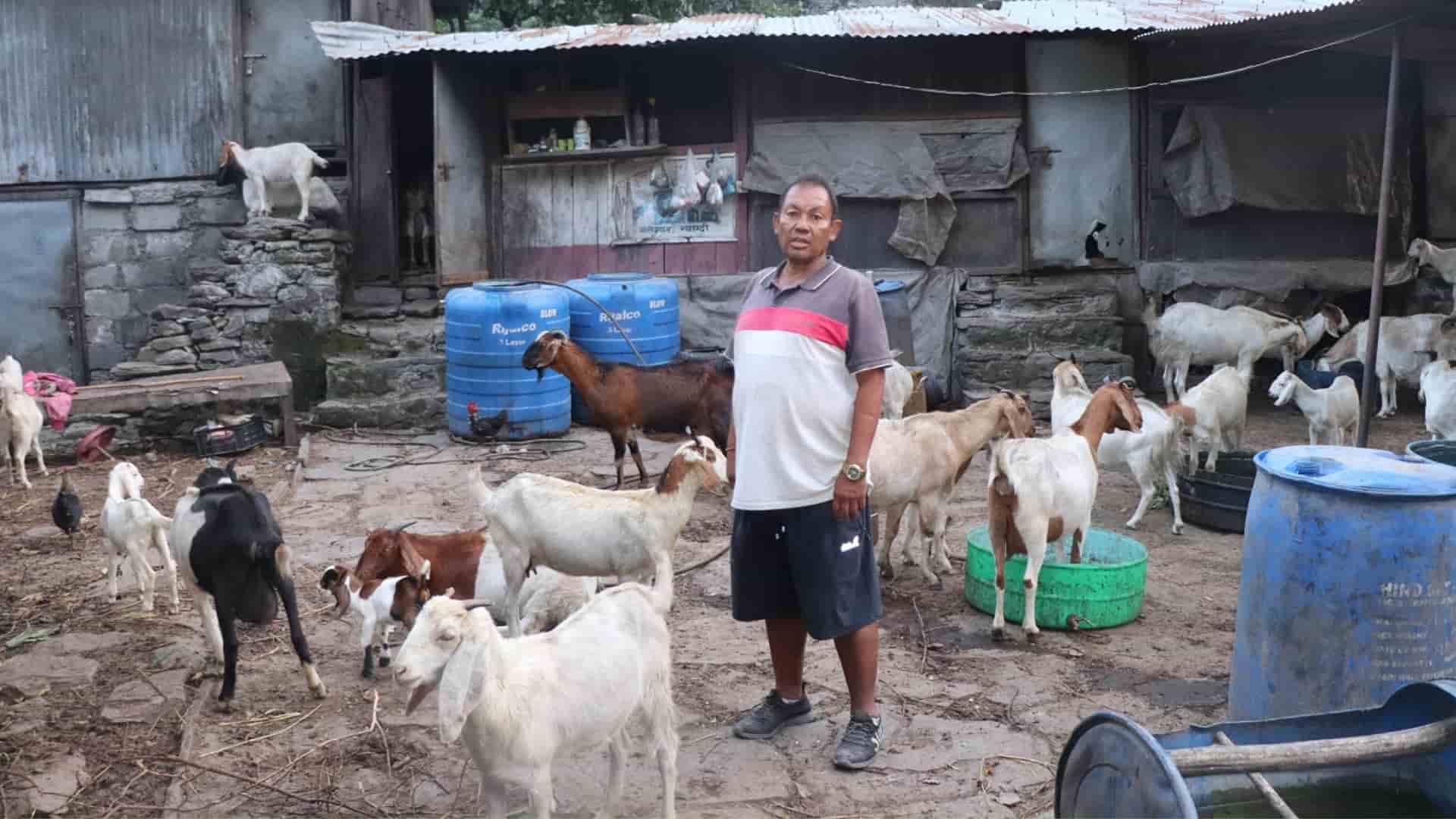
Chhantyal comes from a family traditionally engaged in sheep farming. After spending a few years working in Gulf countries, he returned to the village and continued sheep farming for nearly 15 years before switching to beekeeping eight years ago. He sold his sheep to invest in the new venture.
Starting with just four or five colonies of the local Apis cerana bee species, he gradually expanded his apiary to nearly 200 hives. Chhantyal said the area’s favorable climate and long tradition of wild honey hunting inspired him to pursue beekeeping. “Since I was already familiar with bees and their behavior, expanding the hives was not difficult,” he explained.
Inspired by agricultural experts on YouTube, Chhantyal entered the business without receiving any formal training or grants from government or non-government organizations. In addition to Gurja, he also takes the bees to Lachhawang for seasonal foraging.
According to him, honey sales have not been a problem as customers visit his home directly to purchase the product. However, heavy snowfall, excessive rainfall, and lack of flowering plants during winter create challenges in managing bee feed. Wild animals such as bears and lizards also pose threats to the hives.
Chhantyal expressed concern over difficulties in registering his business and obtaining a PAN number due to the remote geography and the need to travel to the Inland Revenue Office in Baglung.
Ward Chairperson Jhak Chhantyal of Dhaulagiri Rural Municipality–1 said the local government plans to organize mobile service camps to help entrepreneurs, farmers, and business owners like Resham access registration services, tax systems, training, and subsidies.