

The traditional Dar Ko Theki, a wooden vessel that has long been a symbol of Makwanpur district, is increasingly being promoted as a tool for local entrepreneurship and tourism development.
For generations, the wooden vessel made from Dar (deodar) wood has been widely used across Makwanpur and neighboring districts, particularly for setting curd. Its cultural significance and practical value have earned it a unique place in the region’s heritage.
According to Rakesh Prasad Chandravanshi, Chief of the Division Forest Office, Makwanpur, farmers traditionally preferred Dar wooden vessels for curd preparation because of their superior quality and effectiveness. However, declining livestock farming and the growing use of plastic and metal containers have raised concerns that this traditional craft could disappear.
To preserve and promote the heritage, the Division Forest Office in Hetauda has been implementing programs over the past three years to encourage the cultivation and use of Dar trees. In collaboration with local communities, the office has been supporting nurseries, fencing, maintenance, and plantation activities.
Dar trees are commonly found in the upper Chure region of Makwanpur, particularly in areas above Manahari and Lothar. As the use of traditional wooden vessels declined, the craft reached a vulnerable stage, prompting conservation efforts from both government agencies and community forests.
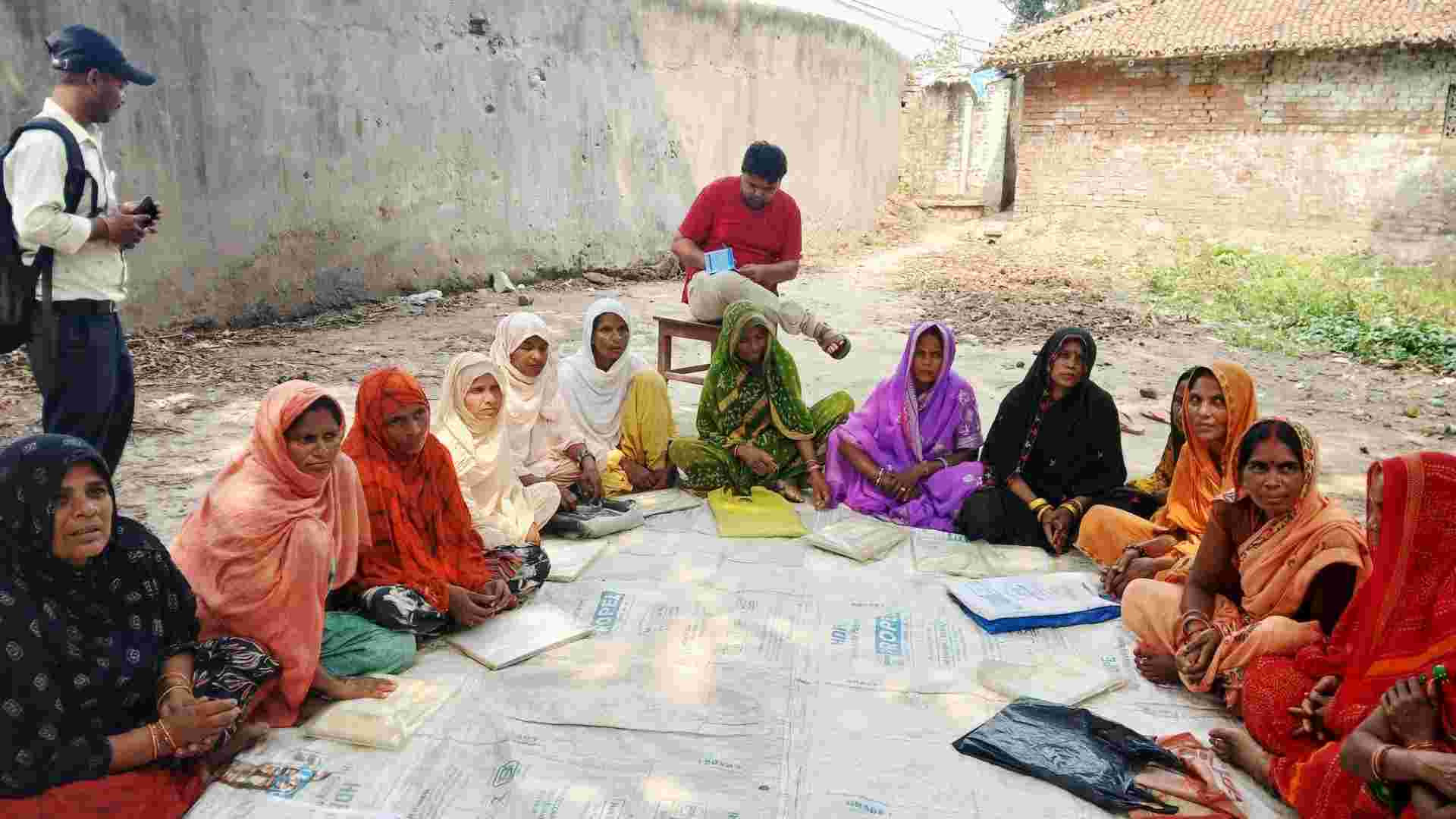
One of the leading initiatives is being undertaken by the Piple Pokhara Community Forest in Hetauda-5, which has launched a campaign to grow Dar saplings and train local women in making traditional wooden vessels. According to Community Forest Users Committee Chairperson Ramhari Chaulagai, 150 saplings were planted last year, with plans to add another 100 this year.
“We have launched programs for the conservation, promotion, and utilization of Dar Ko Theki to prevent this important symbol of Makwanpur from disappearing,” said Chaulagai. “Through training programs for women’s groups, we are also linking the craft with entrepreneurship opportunities.”
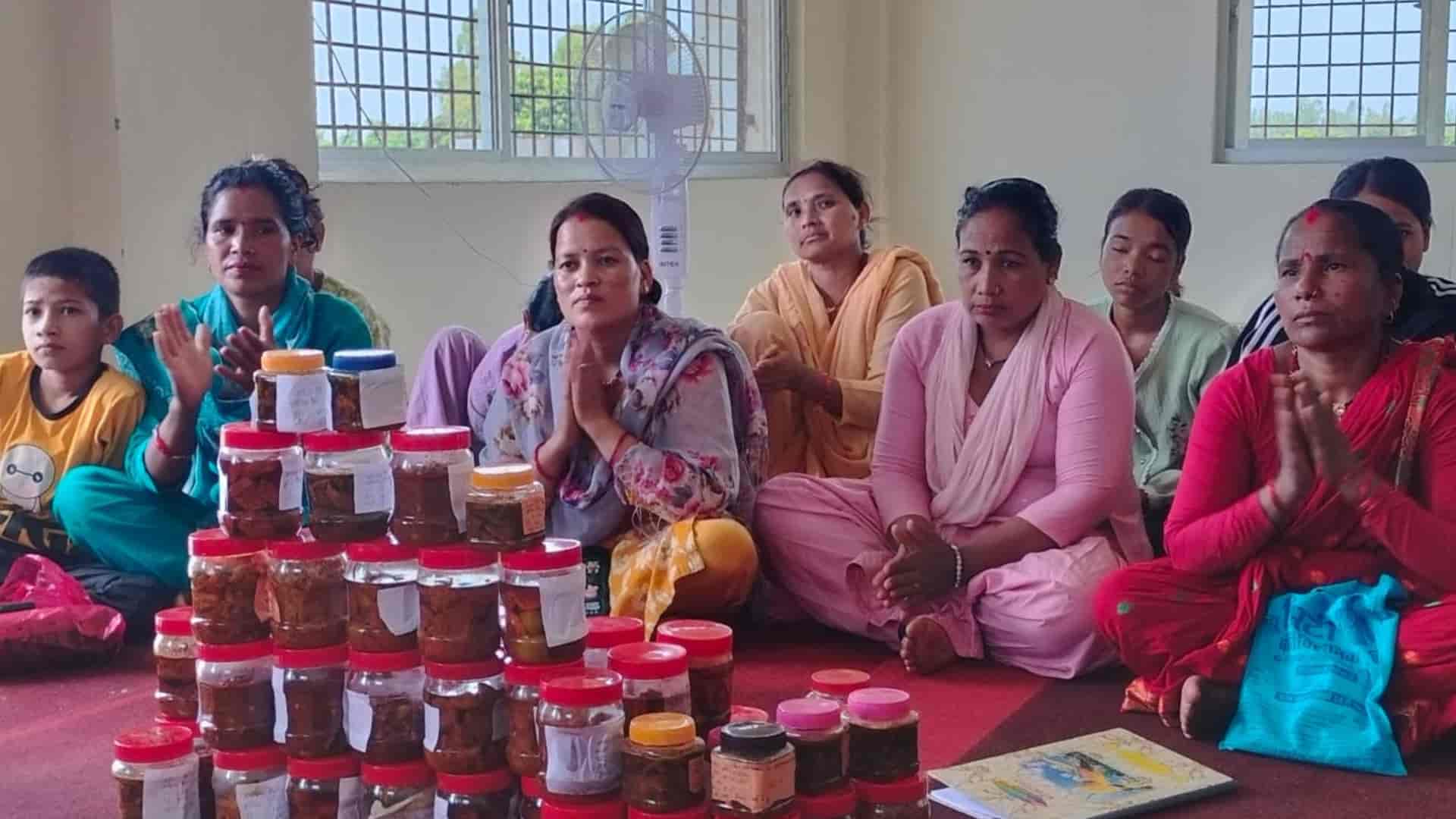
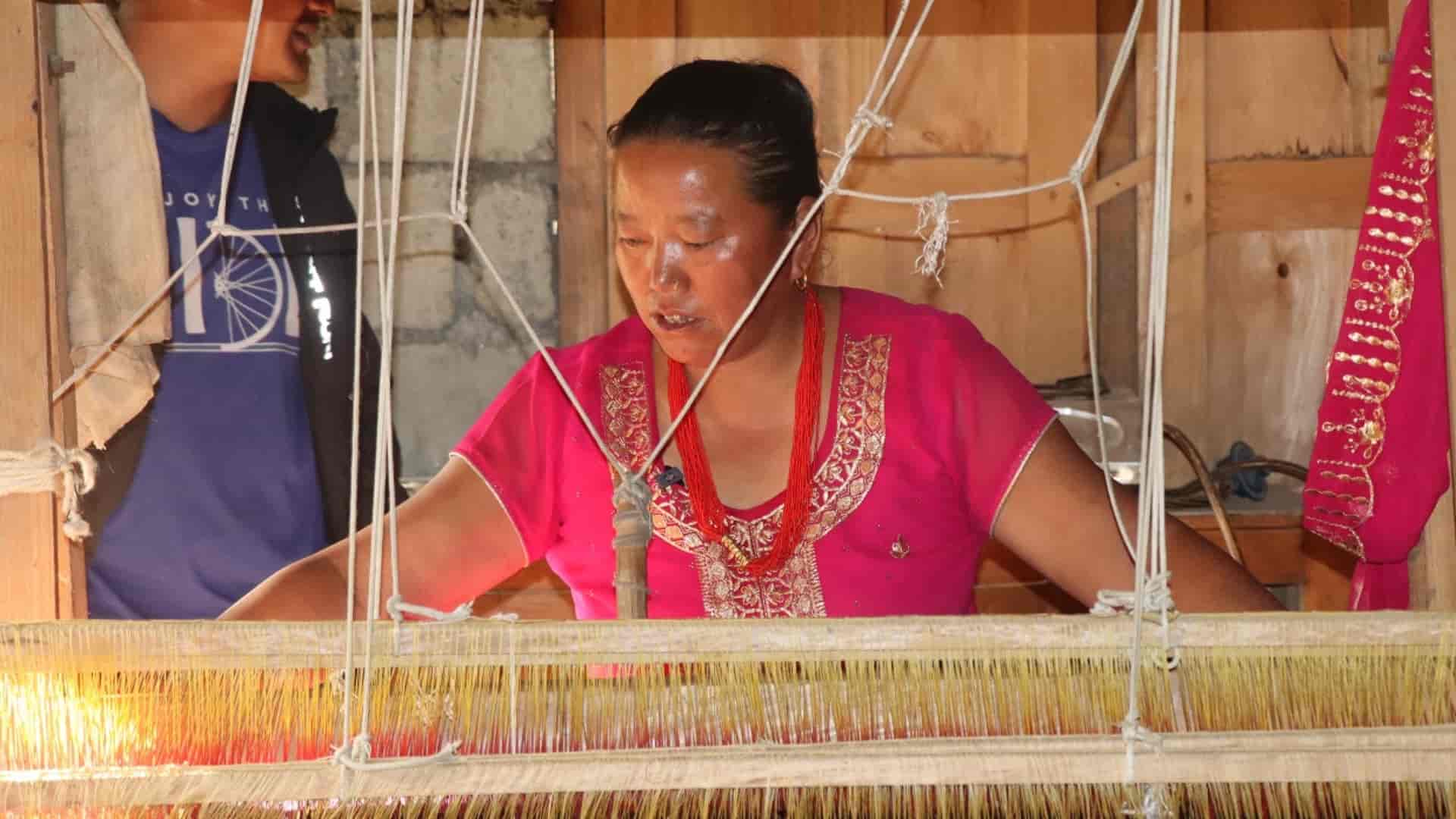
Women’s groups under the community forest have begun producing and selling wooden vessels and gift items made from Dar wood. Although Dar wooden vessels are more expensive than those made from other types of wood, they continue to attract interest because of their traditional value and quality.
Local elders say Dar wood has been used for making traditional vessels since ancient times. The wood is lighter than many alternatives and is believed to be ideal for curd-making, which has helped sustain its popularity over the years.
The decline in demand for wooden vessels has also threatened the livelihoods of traditional artisans who have practiced the craft for generations.
Promoting tourism through Dar Ko Theki
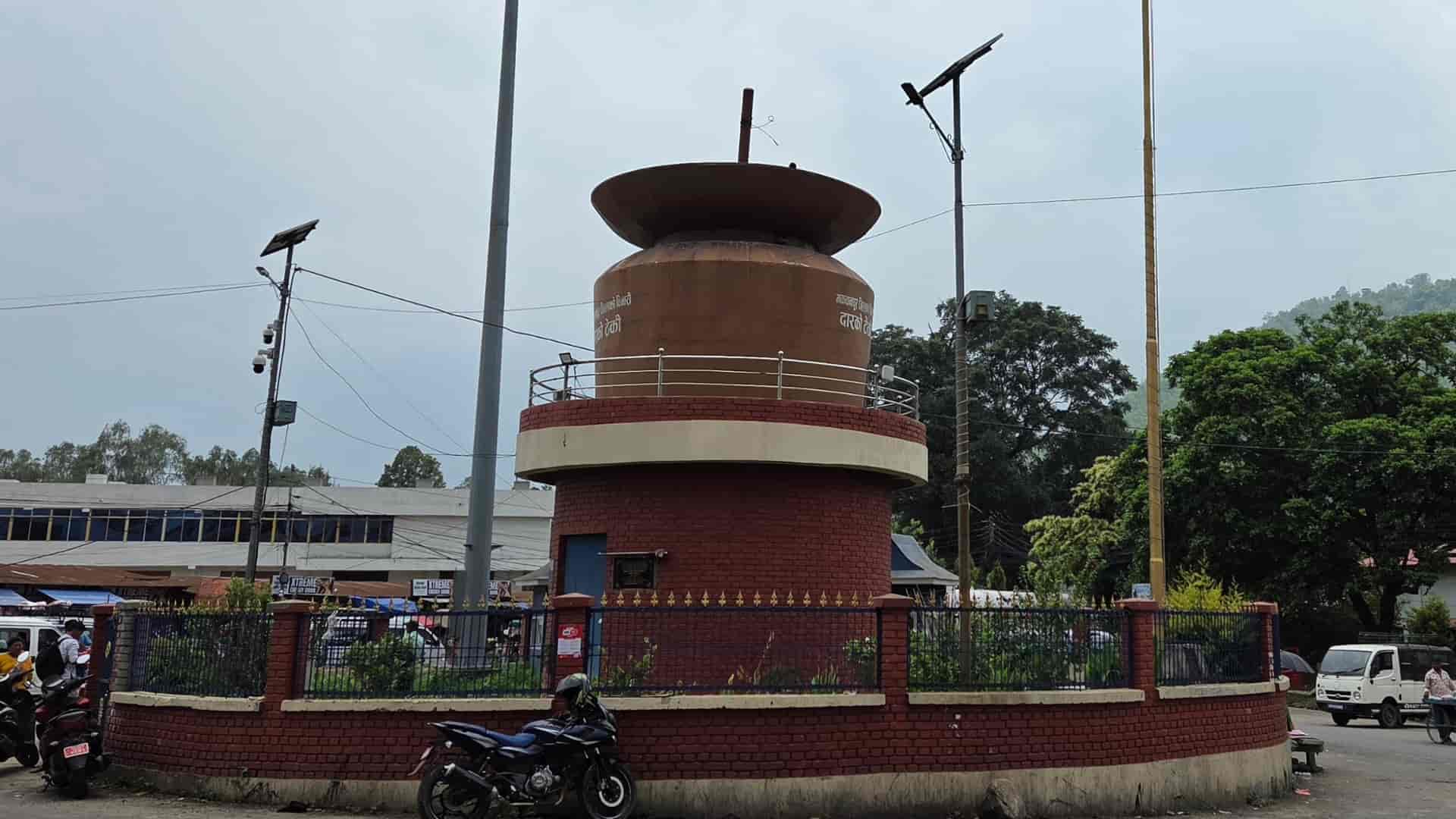
In addition to conservation efforts, local stakeholders are using Dar Ko Theki as a tourism symbol. To preserve Makwanpur’s identity, a water tank designed in the shape of a traditional Dar wooden vessel has been constructed at the Hetauda Bus Park. The unique structure has become a popular attraction for visitors, many of whom stop to take photographs.
Similarly, a park featuring a Dar Ko Theki monument has been developed along the route to the Manakamana Temple in Makwanpurgadhi Rural Municipality-4. The initiative aims to preserve local heritage while strengthening tourism promotion in the district.
With growing community participation and institutional support, Makwanpur is transforming its traditional Dar Ko Theki from a fading cultural artifact into a symbol of entrepreneurship, heritage preservation, and tourism development.