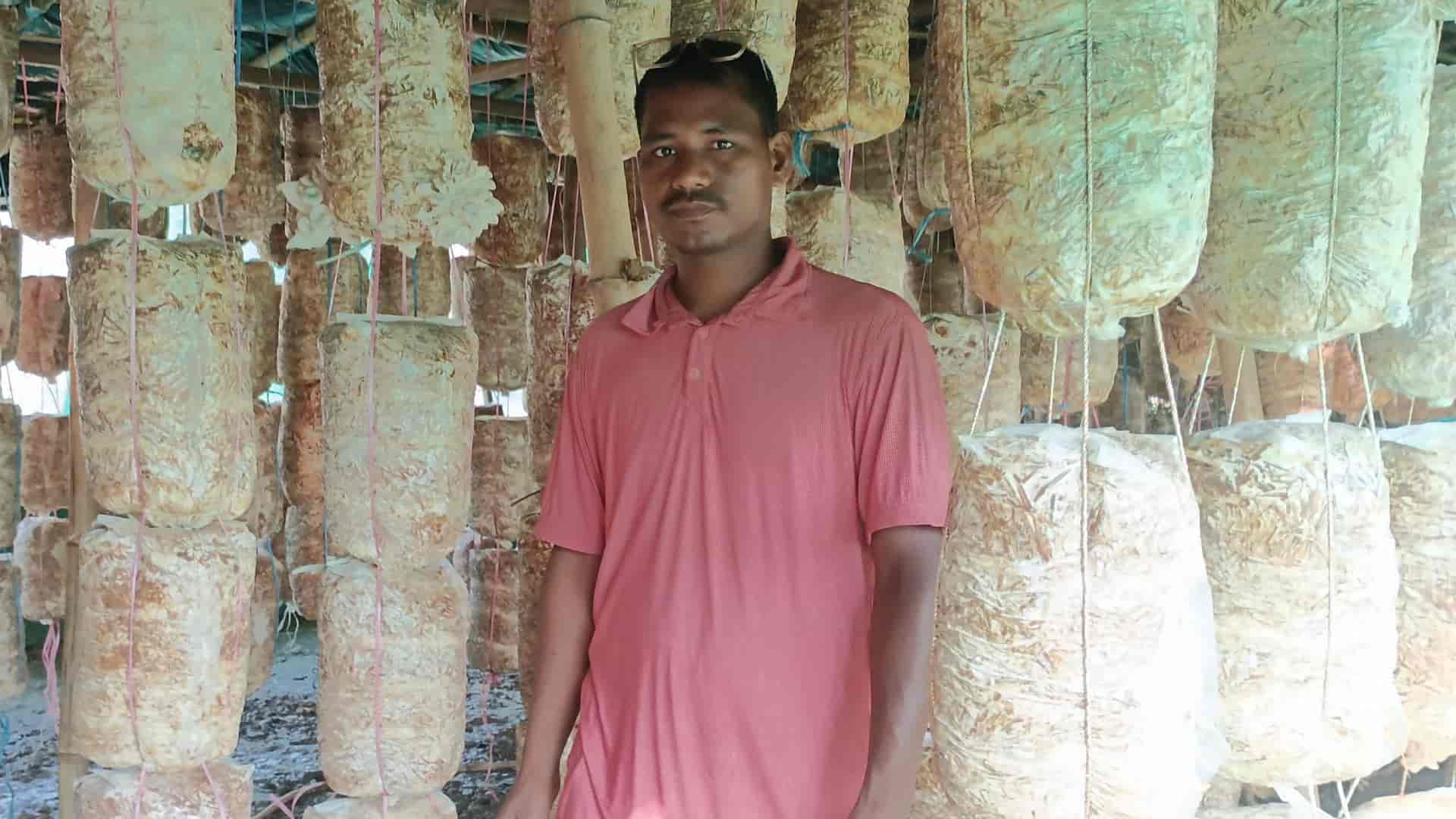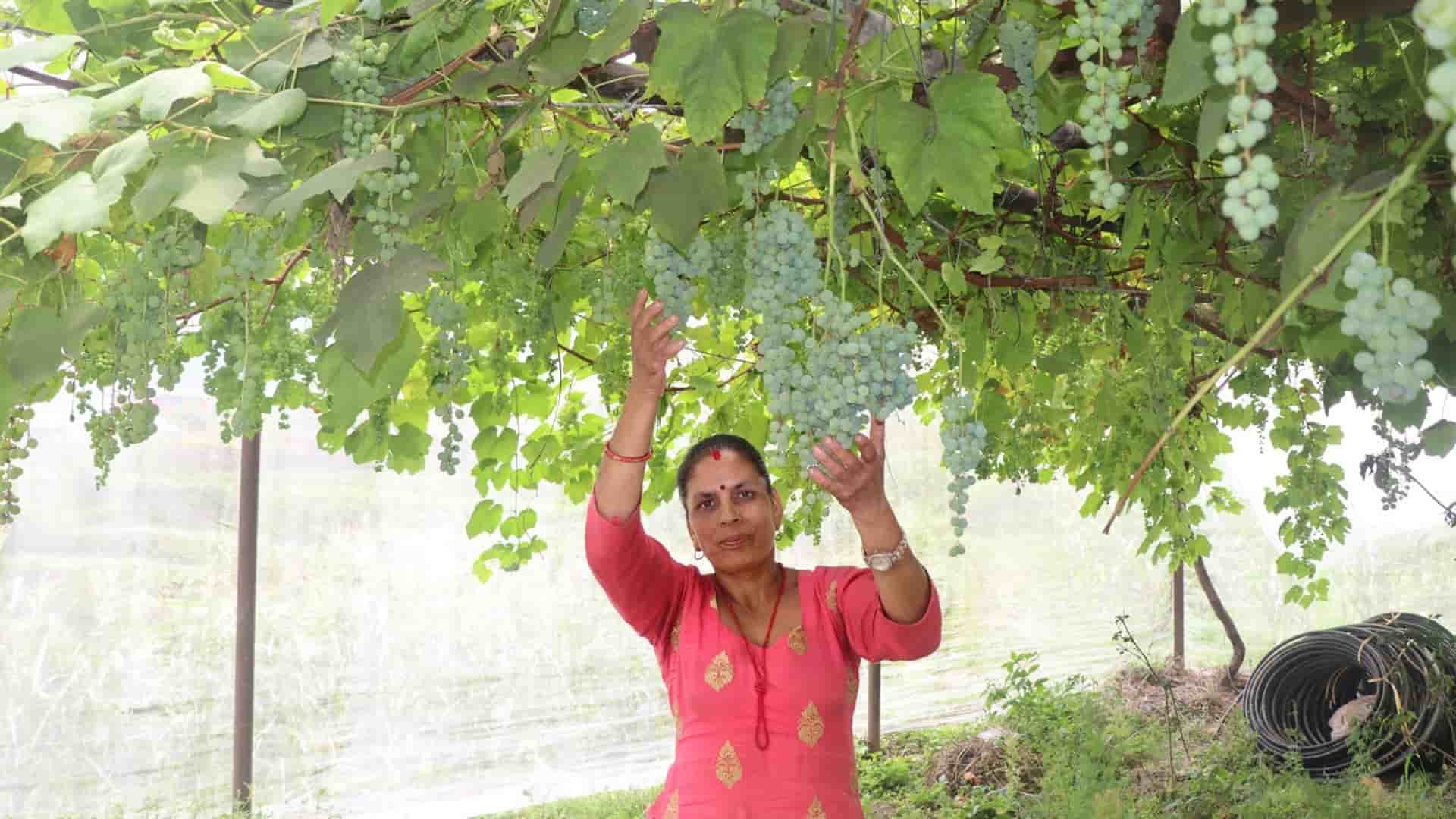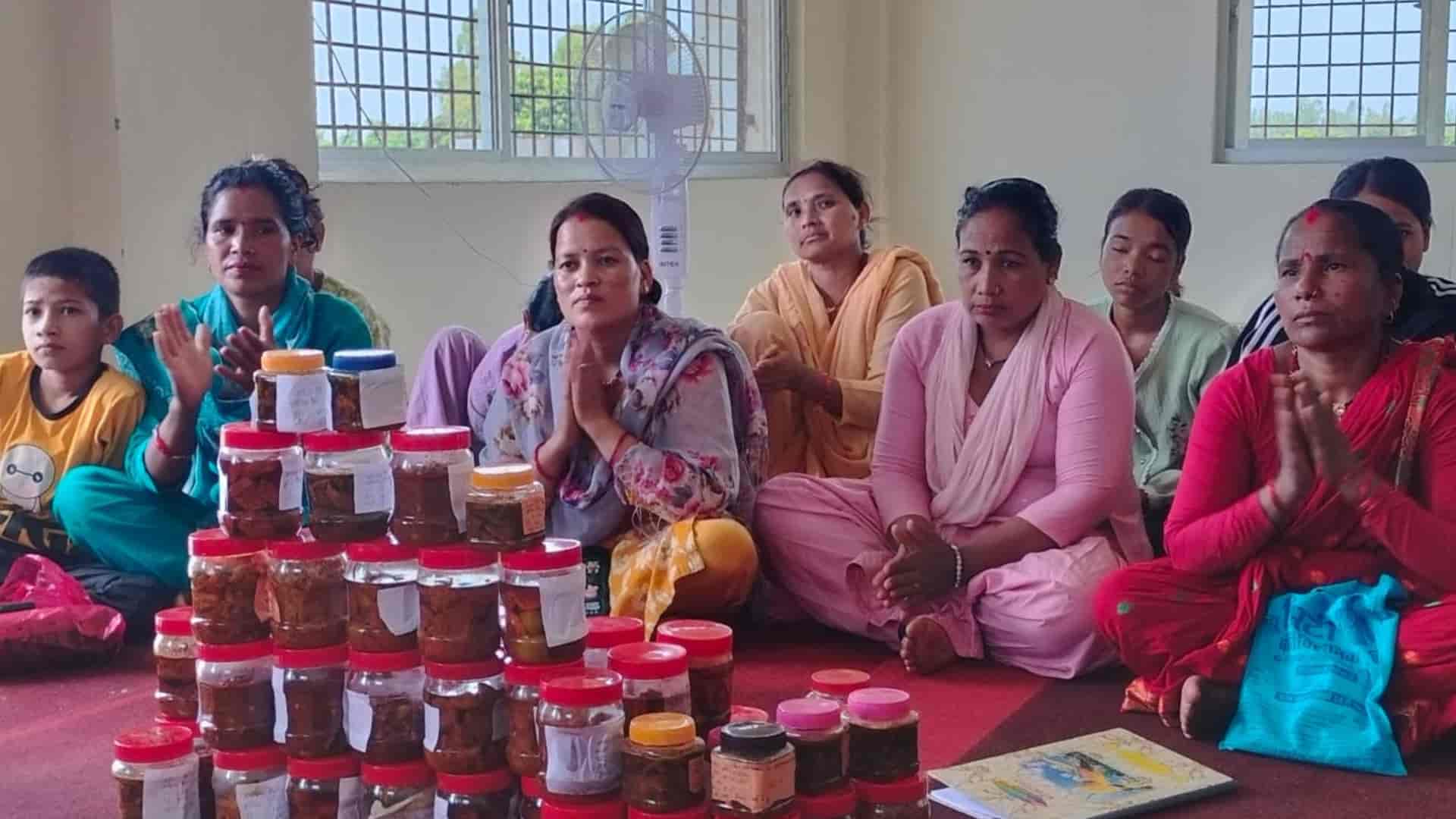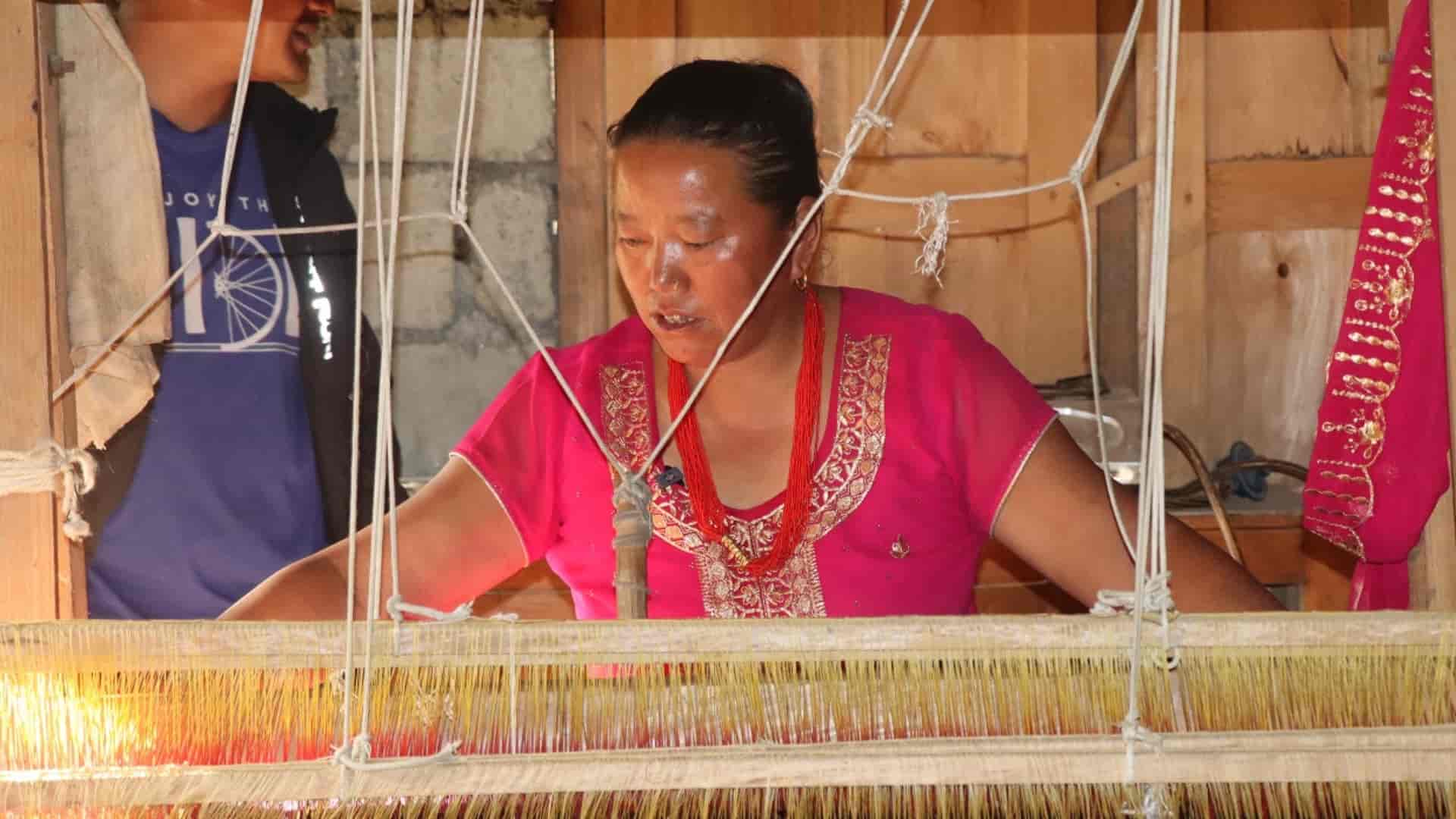

Women in Rautahat district are increasingly becoming economically independent through various income-generating activities, contributing to both their families’ well-being and their own empowerment.
Among them is Dukhani Tharuni of Ward No. 7, Banbahuari, Chandrapur Municipality, who is busy harvesting and selling vegetables grown on her five-kattha plot of land. Her farm is filled with bottle gourds, bitter gourds, sponge gourds, and other vegetables. According to Tharuni, she earns between NRs 1,500 and NRs 2,000 daily from vegetable sales, supplying customers directly from her farm and local markets.
The steady income has significantly improved her financial condition and increased her awareness of women’s rights and issues related to gender-based violence.
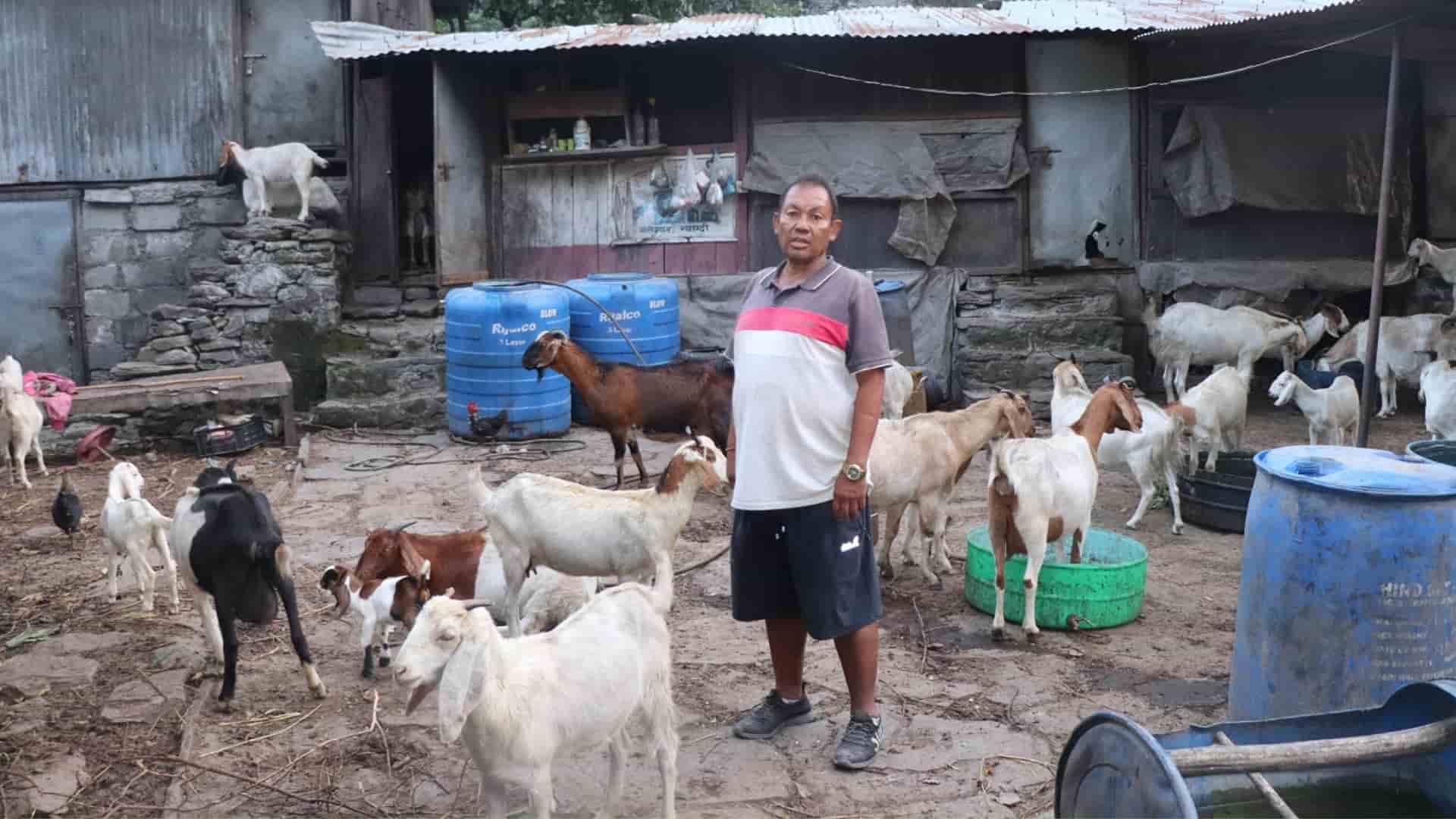
Similarly, Dilkumari Kafle of the same ward has found financial stability through commercial goat farming, while Sunita Majhi has strengthened her family’s financial situation by operating a grocery store.
In Rajpur Municipality–9, Mina Devi is earning a substantial income through commercial vegetable farming, which helps cover household expenses and her children’s education. Likewise, Gulsan Khatun has become self-employed by running a tailoring business from home, enabling her to meet personal and household expenses independently.
Another inspiring example is Jarima Khatun of Rajpur–5, who has successfully educated her three sons and three daughters through income generated from her tailoring business. Besides achieving financial independence, she actively participates in campaigns aimed at reducing gender-based violence in her community.
These women represent a growing number of more than 1,000 women in the district who have improved their economic status through various enterprises. They are supported under the Gender-Based Violence Reduction Project implemented by the Rural Development Center Nepal.
The project is funded by Islamic Relief Canada and managed by Islamic Relief Nepal. It focuses on the social and economic empowerment of women, men, and children while addressing gender-based violence in targeted communities.
According to Project Coordinator Dharmendra Sah, the initiative operates in 12 wards of Rajpur and Chandrapur municipalities, aiming to rehabilitate women affected by or at high risk of gender-based violence through economic empowerment and social reintegration.
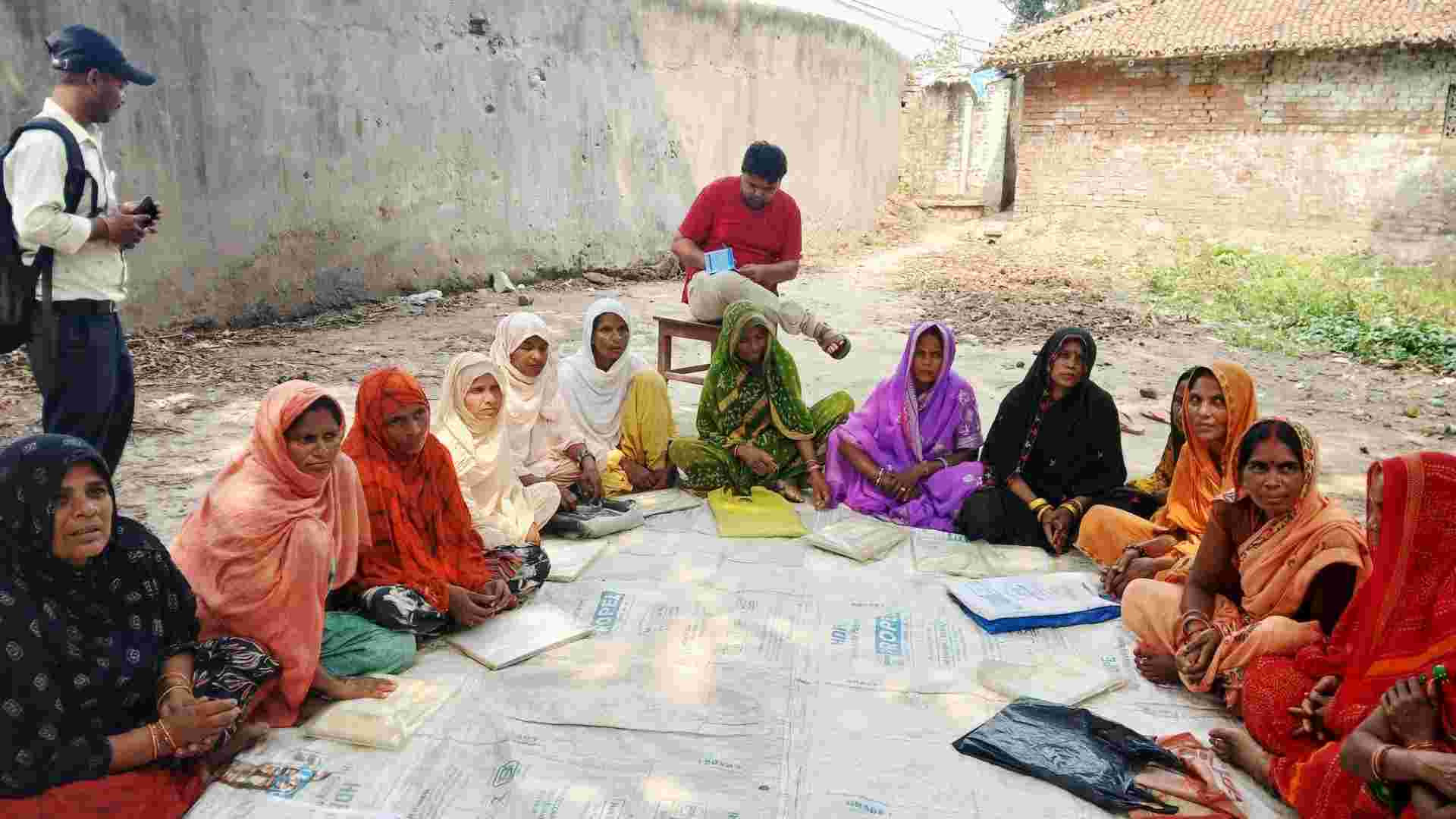
Under the project, more than 430 women in 17 groups in Chandrapur Municipality and over 580 women in 23 groups in Rajpur Municipality have received cash support of NRs 65,000 each to start or expand their businesses. Assistance is provided based on the women’s interests and business preferences.
The project has also established Community Learning and Protection Centers to promote social empowerment and reduce gender-based violence. Ten centers are operating in five project wards of Chandrapur Municipality, while fourteen centers are active across seven wards of Rajpur Municipality.
So far, approximately 2,400 children have completed transformation courses through these centers. The initiative focuses on providing life skills, leadership development, and social engagement opportunities, particularly for adolescent girls who are out of school or madrasa education.
According to Rural Development Center Nepal Chairperson Paras Hussein, participating women receive training in entrepreneurship, financial literacy, leadership development, and intergenerational dialogue. Male family members are also included in awareness programs on gender equality, women’s rights, and gender-based violence prevention.
The project is helping create a more empowered and self-reliant community, where women are gaining economic independence while playing an active role in promoting social change.