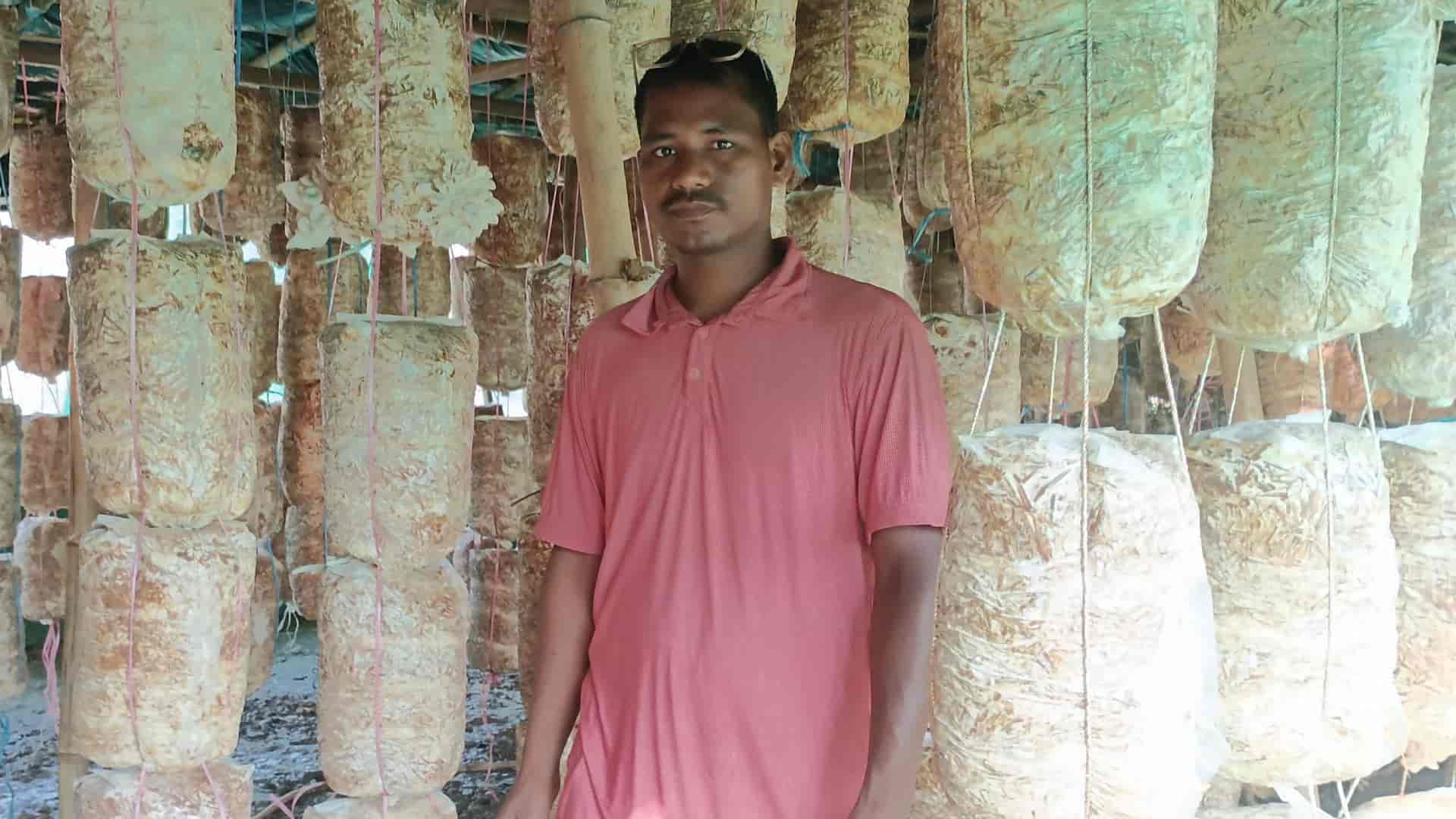


Ajay Kumar Yadav, a farmer from Sammari Mai Rural Municipality in Rupandehi, had been cultivating wheat using traditional methods. Because of the area’s proximity to the Indian border, he had been bringing wheat seeds from India for cultivation. Due to a lack of technical knowledge, he was unable to achieve satisfactory yields. With the aim of increasing his income through better wheat production, Yadav participated in an advanced wheat farming technology training organized by the National Wheat Research Program.
During the training, he gained technical knowledge on selecting certified improved seed varieties, proper sowing methods, balanced fertilizer management, timely irrigation, disease and pest management, and modern practices to increase production. Yadav said he would not only apply the skills learned during the week-long training in his own fields but also share the knowledge with fellow farmers in his village.
The training, held in Rupandehi, was attended by 25 farmers from 24 districts. In addition to farmers, 15 students related to the subject area also participated. Farmers were trained for one week through both theoretical and practical sessions on improved wheat farming technologies. Many of the participating farmers were unaware of newly developed wheat varieties. Most admitted that they did not even know which variety of wheat seed they had been cultivating.
According to Dr. Roshan Basnet, Coordinator of the National Wheat Research Program in Bhairahawa, farmers were taught how to select suitable varieties, treat seeds, sow on time, and use line-sowing methods. They were also trained in balanced fertilizer application based on soil testing, irrigation management, disease and pest control, weed management, harvesting, and storage practices.
According to Dr. Tek Prasad Gautam, Director of Crop and Horticulture Research at the Nepal Agricultural Research Council, the National Wheat Research Program has developed 54 improved wheat varieties over the past six decades, prioritizing both food security and nutrition security. Currently, four additional varieties are in the recommendation process, while 13 older varieties have been removed from the recommended list.
He further stated that varieties such as Zinc Wheat–1, Zinc Wheat–2, and Borlaug–2020 have been developed for the Terai region, while Khumal Shakti, Bheri Ganga, and Him Ganga have been developed for the hill regions. These varieties contain higher levels of zinc and iron and have a greater capacity to tolerate diseases, pests, and the impacts of climate change. Scientists claim that yields of up to 5.5 tons per hectare can be achieved with these new varieties. According to experts, if improved varieties are effectively delivered to farmers and proper fertilizer and irrigation management are ensured, Nepal can become not only self-sufficient in wheat but also reach a stage of exporting it.