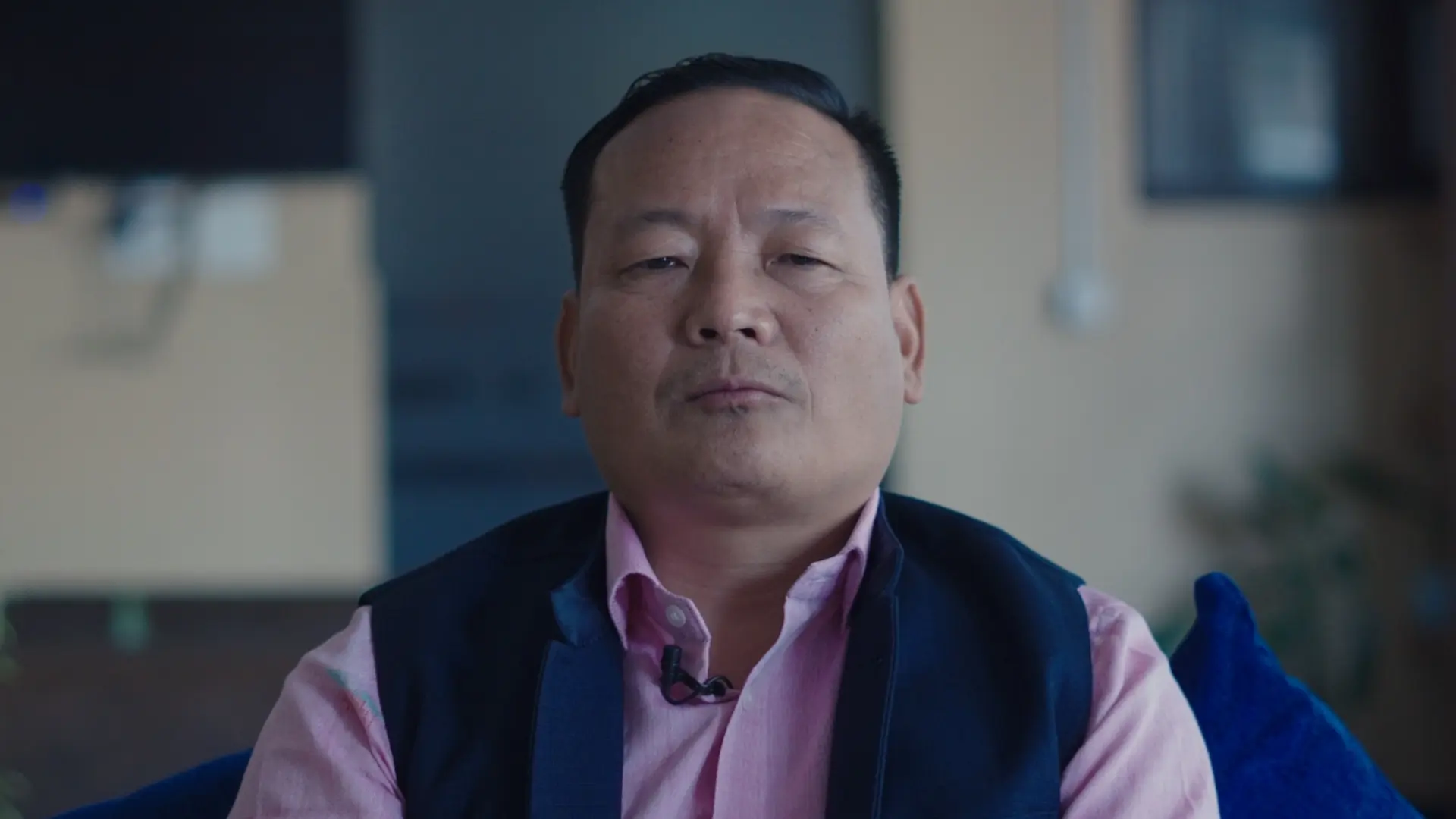

In Baramja of Mangala Rural Municipality–3 in Myagdi, former Constituent Assembly member Gambahadur Shrees has been actively running an agricultural enterprise.
Shrees, who was involved underground during the “People’s War” led by the then CPN (Maoist), later served in the Interim Parliament in 2006 and as a Constituent Assembly member from 2008 to 2013. After completing his political tenure, he returned to his hometown and continued his journey not only as a politician but also as a farmer and entrepreneur.
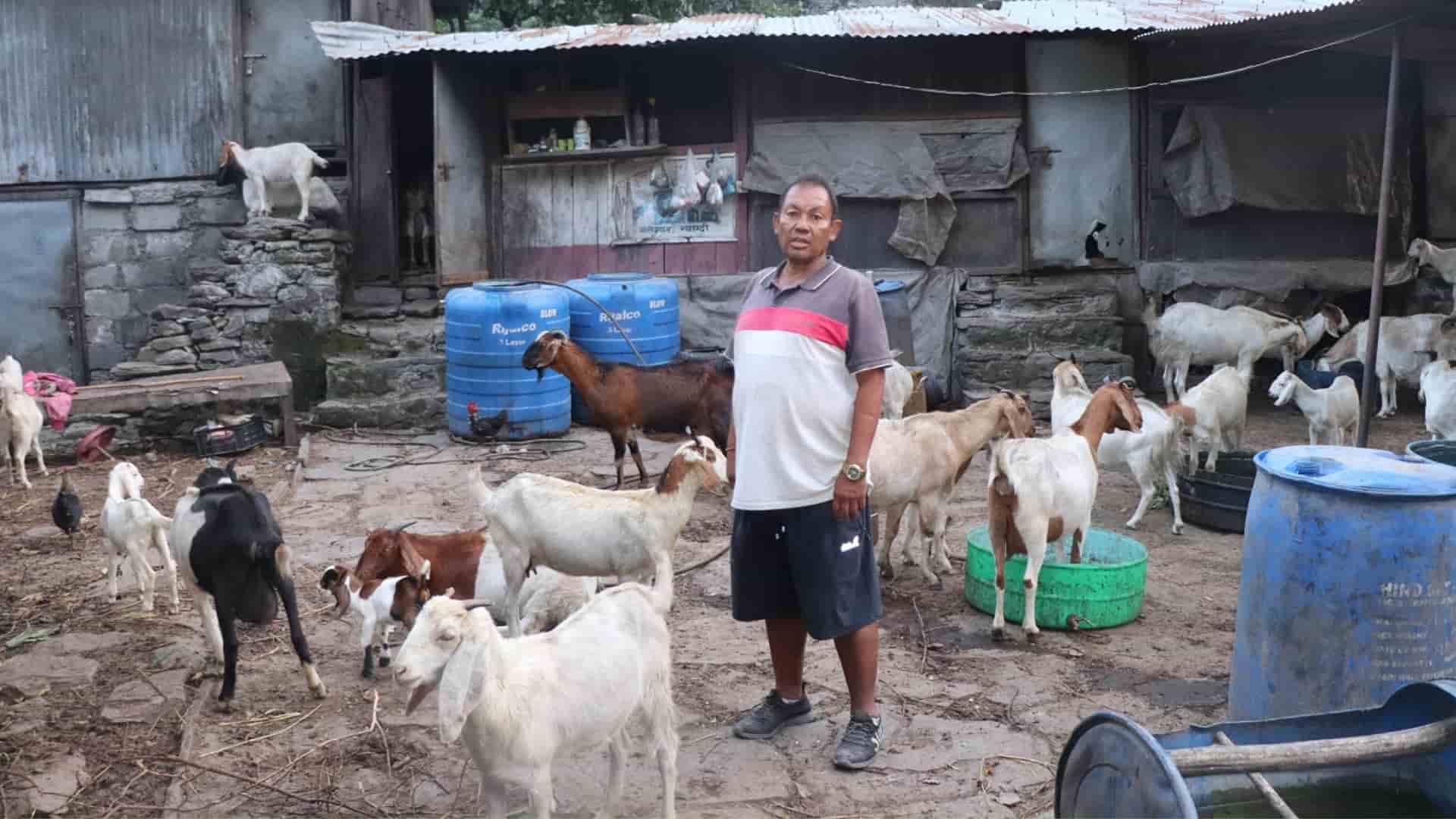
He established the Shrees Agriculture and Livestock Farm, where he is engaged in goat farming and orange cultivation. Coming from a middle-class background, Shrees chose these ventures to achieve self-reliance and sustain his livelihood.
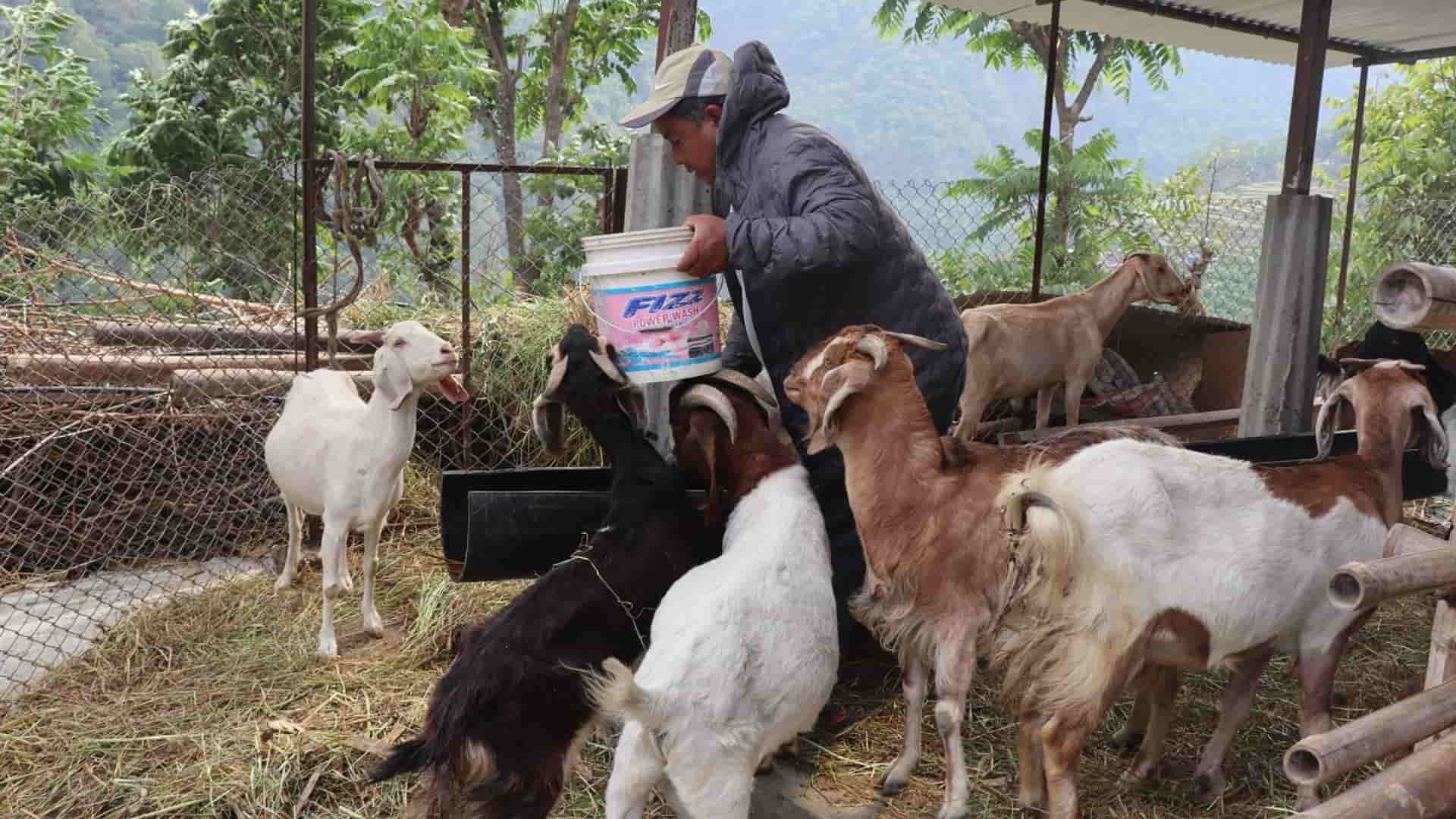
Starting with an investment of NPR 100,000 and just two goats, his farm now has 30 goats. He sells around 15 to 20 goats annually. Additionally, 350 orange trees planted on his farmland have begun yielding production, offering an alternative to traditional crop farming.
“Agriculture-based entrepreneurship is the key to improving citizens’ living standards, economic and social transformation, and employment generation,” Shrees said. “I took this initiative to demonstrate the potential of goat farming and orange cultivation for self-reliance and employment in hilly regions.”
He raises Khari and Jamunapari breeds of goats. Although he initially suffered losses due to climate incompatibility when goats brought from Tarakhola died, he remained persistent and continued his business.
With support from the Veterinary Hospital and Livestock Service Expert Center, he has built a modern and well-managed shed. Under his leadership, 15 households in Baramja have adopted commercial goat farming through a model farmers’ group.
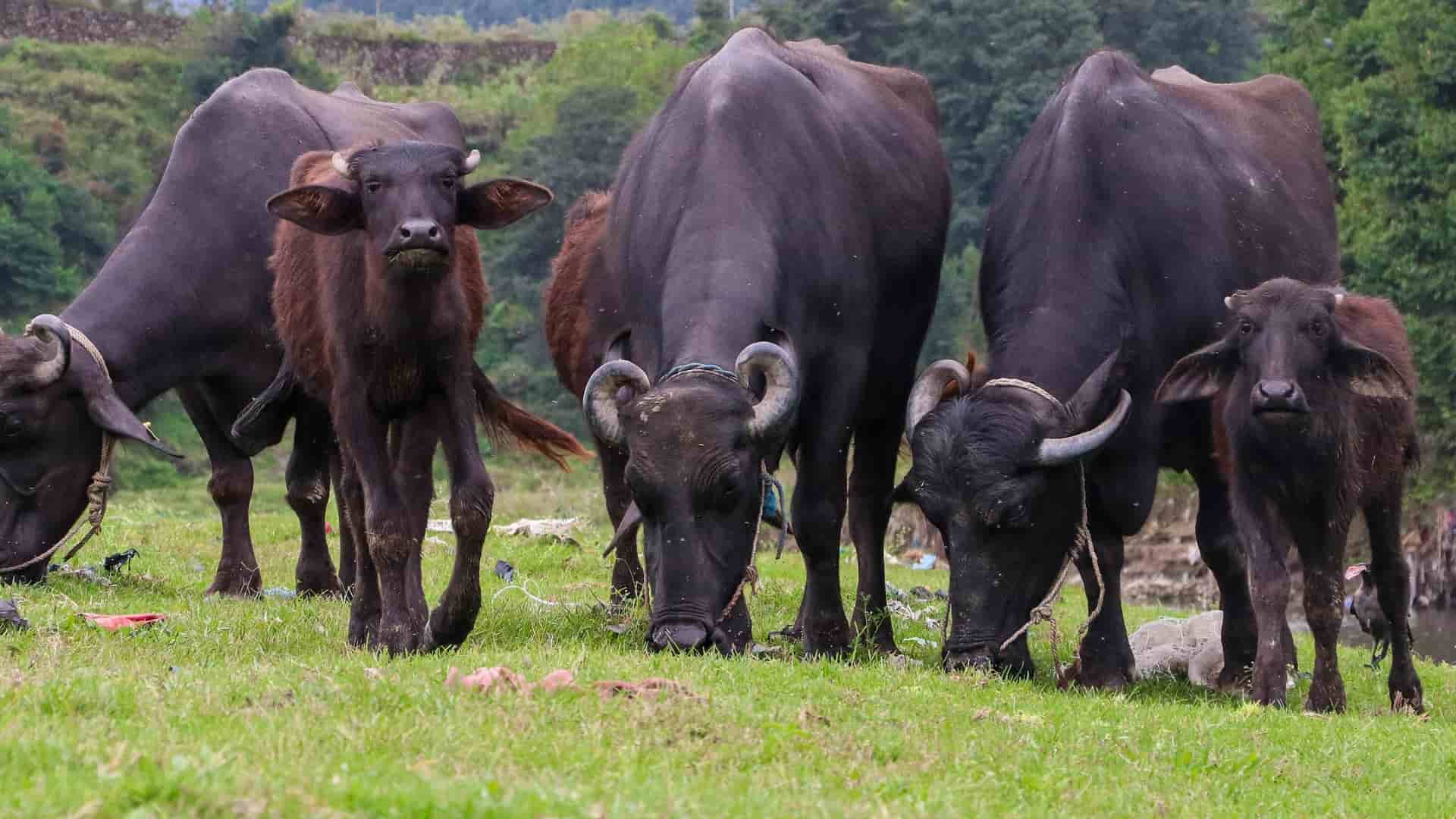
Local farmers are also producing milk through cattle and buffalo farming, selling it in Tatopani and Beni markets. Shrees has cultivated fodder grass on unused land for his livestock.
Farmers in the area, including Shrees, have received support from the National Agriculture Modernization Project and the Agriculture Development Office for expanding orange farming, strengthening orchards, and improving irrigation facilities.
Shrees spends his mornings, evenings, and spare time caring for his farm while also participating in local social activities. Currently a central committee member of the Communist Party of Nepal, he plans to continue expanding his agricultural enterprise alongside his political involvement.
He is also preparing to start beekeeping, with support from his wife Bishnumati, his son, and other family members. Shrees has been affiliated with the CPN (Maoist) since his student years and went underground in 2001.