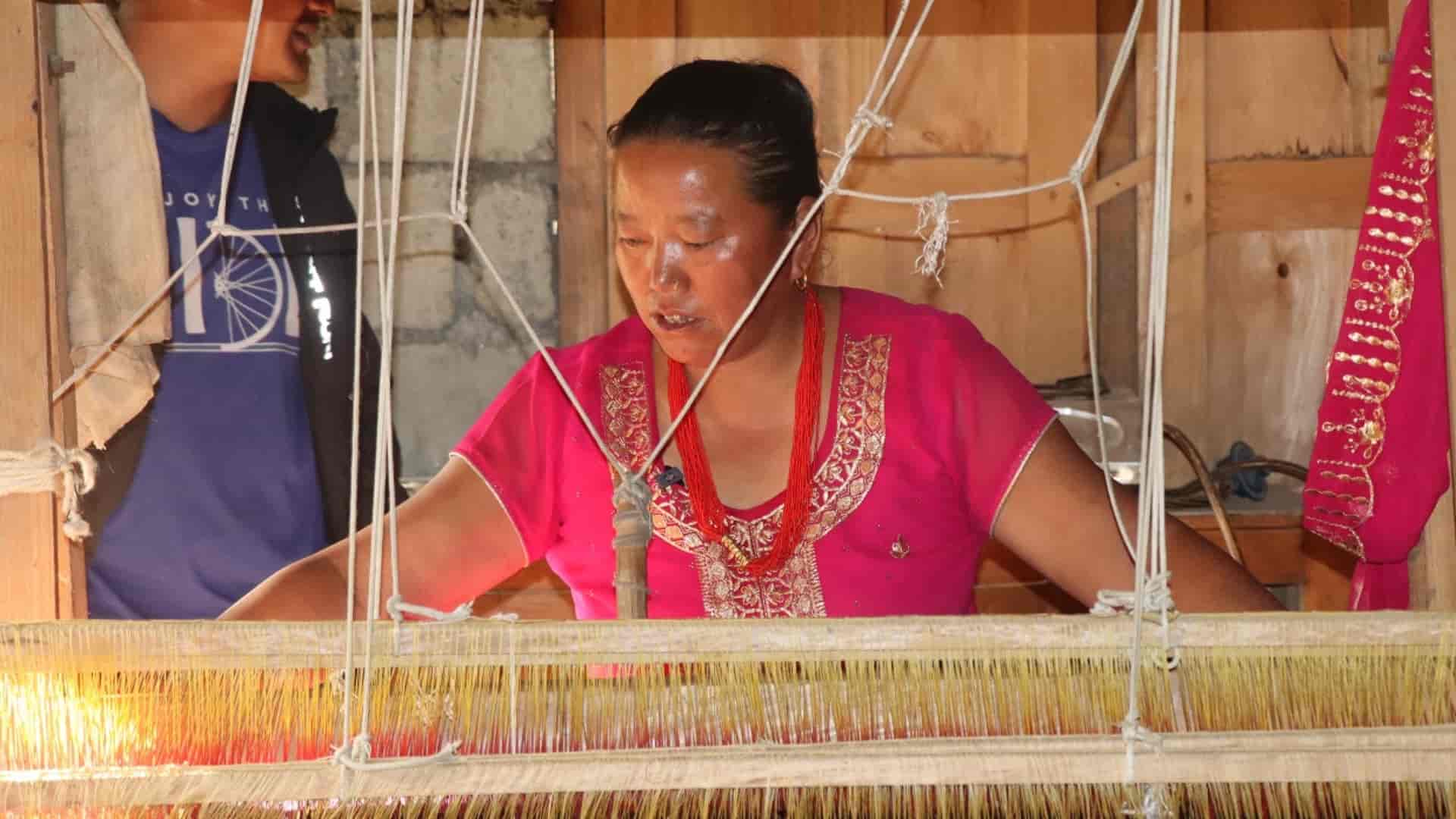

Women in Taman Khola Rural Municipality are becoming economically independent through the traditional Dhaka weaving industry, thanks to a local government initiative aimed at promoting women-led entrepreneurship.
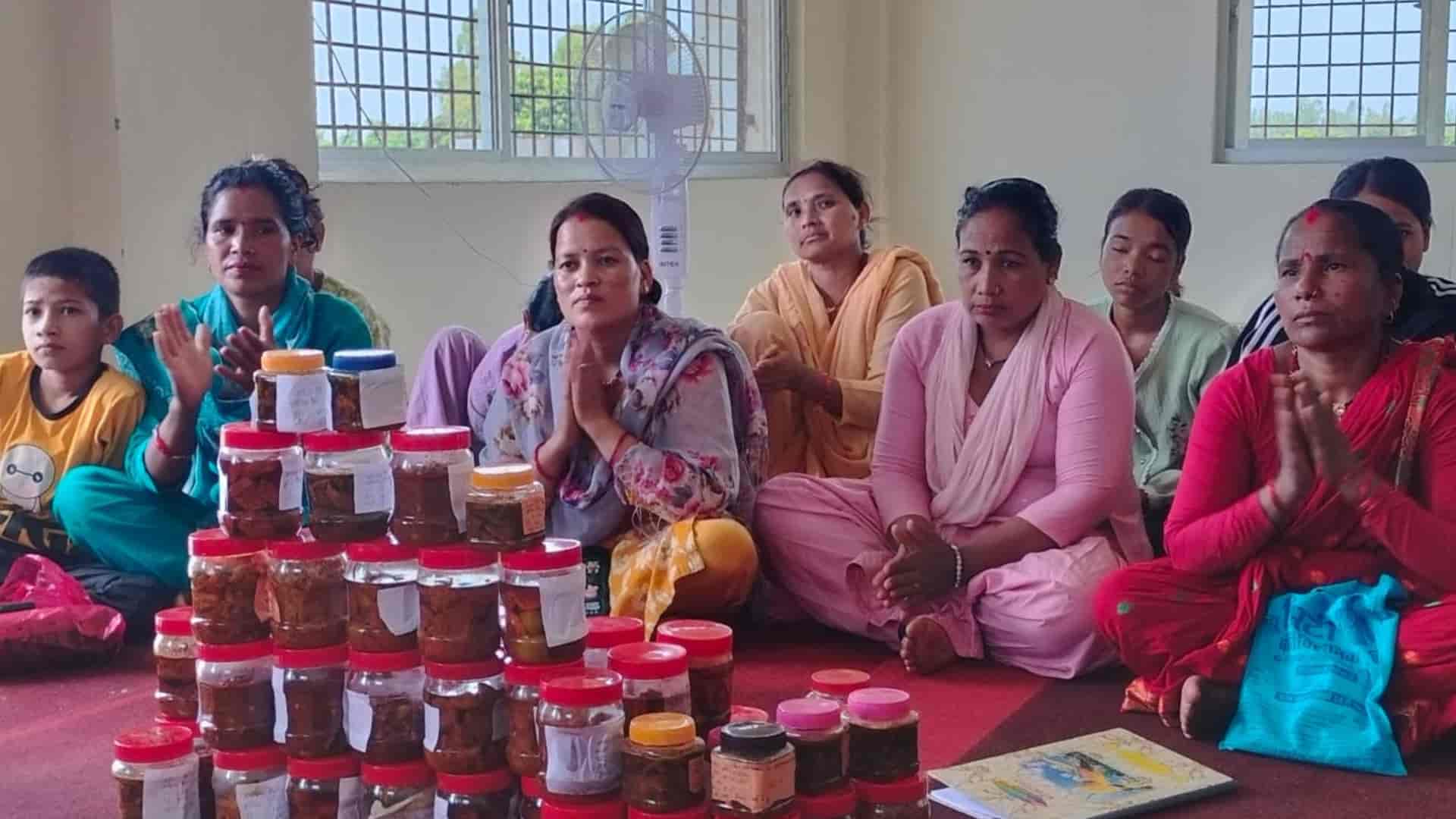
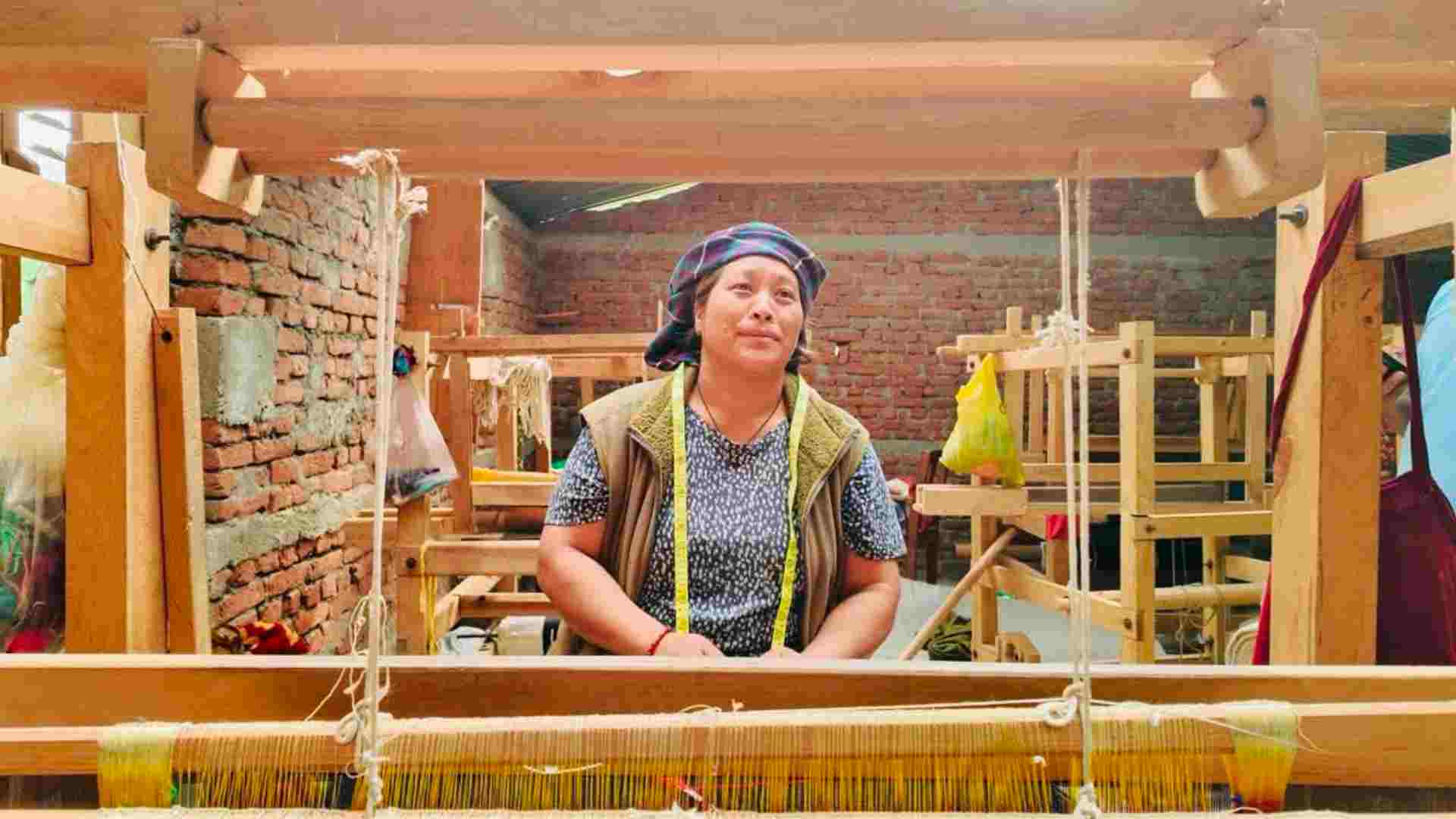
At the Women’s Welfare Mothers’ Group building in Taman Khola Rural Municipality–3, Jamuna Gharti and 15 other women spend their days weaving Dhaka fabrics, including waistcoats (askot), shawls, scarves, and traditional Nepali caps.
The municipality has been supporting women in every stage of the enterprise—from skills training and equipment provision to product procurement and market facilitation. The initiative was launched about seven years ago after trainers from Myagdi introduced Dhaka weaving skills to local women.
To help the women become more professional and self-sufficient, the rural municipality organized them into groups and invested in infrastructure, training, and production tools. The local government has also been purchasing the products and assisting with their marketing and sales.
According to Vice Chairperson Hira Kumari Chhantyal, the municipality regularly uses the locally produced Dhaka items as tokens of appreciation and gifts during official programs. Traditional caps, scarves, and waistcoats are also distributed during events such as senior citizen honor ceremonies, helping expand the market for the products.
“The municipality has invested around NRs 2.5 million in training, materials, equipment, and building construction over the past seven years,” said Chhantyal. “Many women are now earning up to NRs 50,000 per month through Dhaka weaving.”
Gharti, who also serves as the treasurer of the Women’s Welfare Mothers’ Group, recalled that selling their products was difficult in the early days. However, the municipality’s commitment to purchasing and promoting the products has encouraged more women to continue the enterprise.
She believes that the support from the local government has not only helped women become entrepreneurs but has also strengthened their economic independence and confidence.
The Dhaka weaving initiative has become a successful example of how local governments can empower rural women through skills development, entrepreneurship, and market access.