

A grape farming trial in Lupuprang, Ward No. 8 of Jaljala Rural Municipality in Myagdi, has shown promising results. The area lies near Beni Bazaar, the district headquarters of Parbat, at an altitude of around 1,800 meters above sea level.
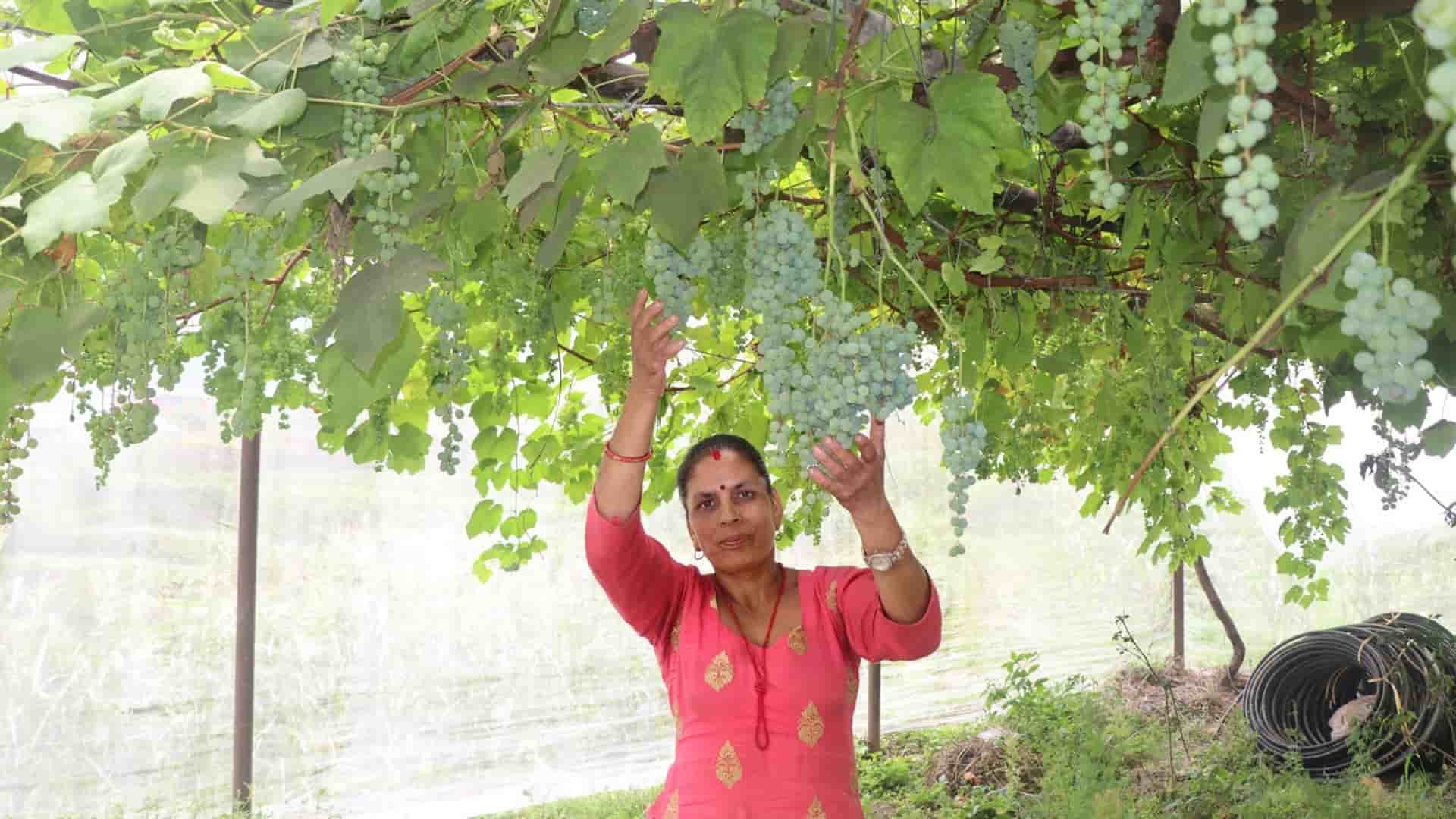
The trial was initiated by Tara Kumari Regmi, operator of the Shreehari Agriculture and Livestock Farm, who planted grape cuttings brought from India inside a plastic tunnel four years ago. The vines have now started producing fruit.
“Two grape plants have started yielding fruit, which were planted four years ago inside a plastic tunnel,” she said. “Last year, I sold grapes worth around NRs 35,000 at a price of NRs 450–500 per kilogram. This year, I expect higher production as more fruits have formed.”
Regmi plans to expand grape cultivation further if the fruits remain intact until harvest, after consulting agricultural technicians.
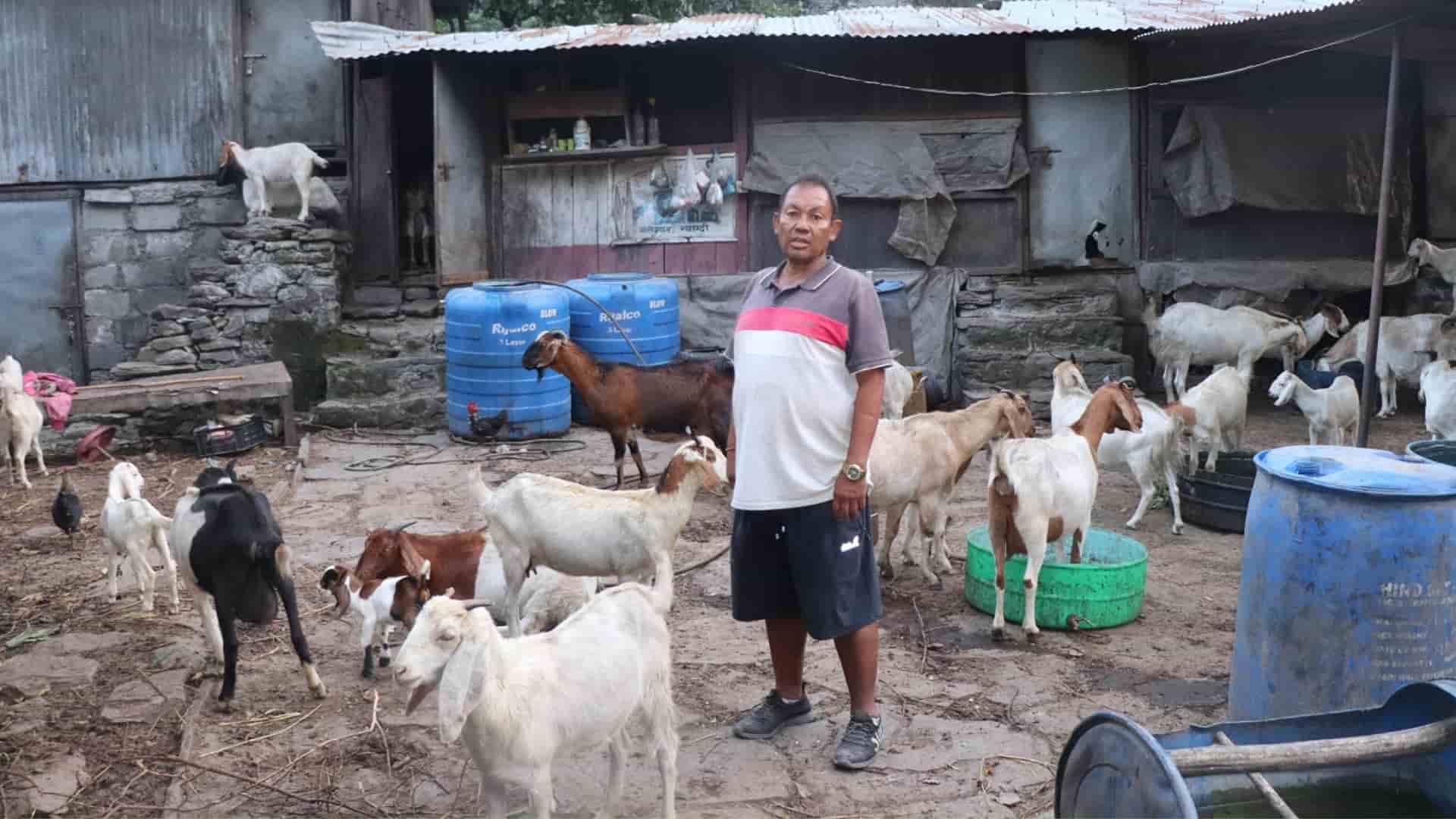
After spending five years in Baghkhor Bazaar to educate her two sons, Regmi returned home and began farming lemons, oranges, grapes, tomatoes, and goat rearing. She was initially discouraged by relatives when she planted citrus orchards on paddy fields, but her efforts later proved successful.
Her orchard now includes around 750 citrus trees, and she earned about NRs 480,000 from orange sales last year. She also grows vegetables in tunnels and inter-crops beans within her orchard. Grapes are sold locally, oranges are supplied to Pokhara, and vegetables are sent to Kushma.
Regmi earns an annual savings of approximately NRs 1.2 million from her farm, inspiring many local farmers in Lupuprang to shift from traditional crops like rice, maize, and millet to citrus farming.
The project has received support from the Prime Minister Agriculture Modernization Project, Jaljala Rural Municipality, and various entrepreneurship and employment promotion programs through training, infrastructure, and technical assistance.
However, farmers face challenges due to poor road conditions linking Naglibang and Lupuprang, making it difficult to transport produce to markets. Wildlife damage from monkeys and hailstorms, such as the one on Jestha 12 this year, have also caused significant losses to crops and vegetables.