

Shuklaphanta Municipality–3 resident Parvati Devi Dagaura once viewed pickles made from mangoes, radishes, carrots, and other locally grown produce as nothing more than a household food item. The small quantities prepared for family consumption often spoiled quickly due to a lack of knowledge about hygiene and preservation techniques.
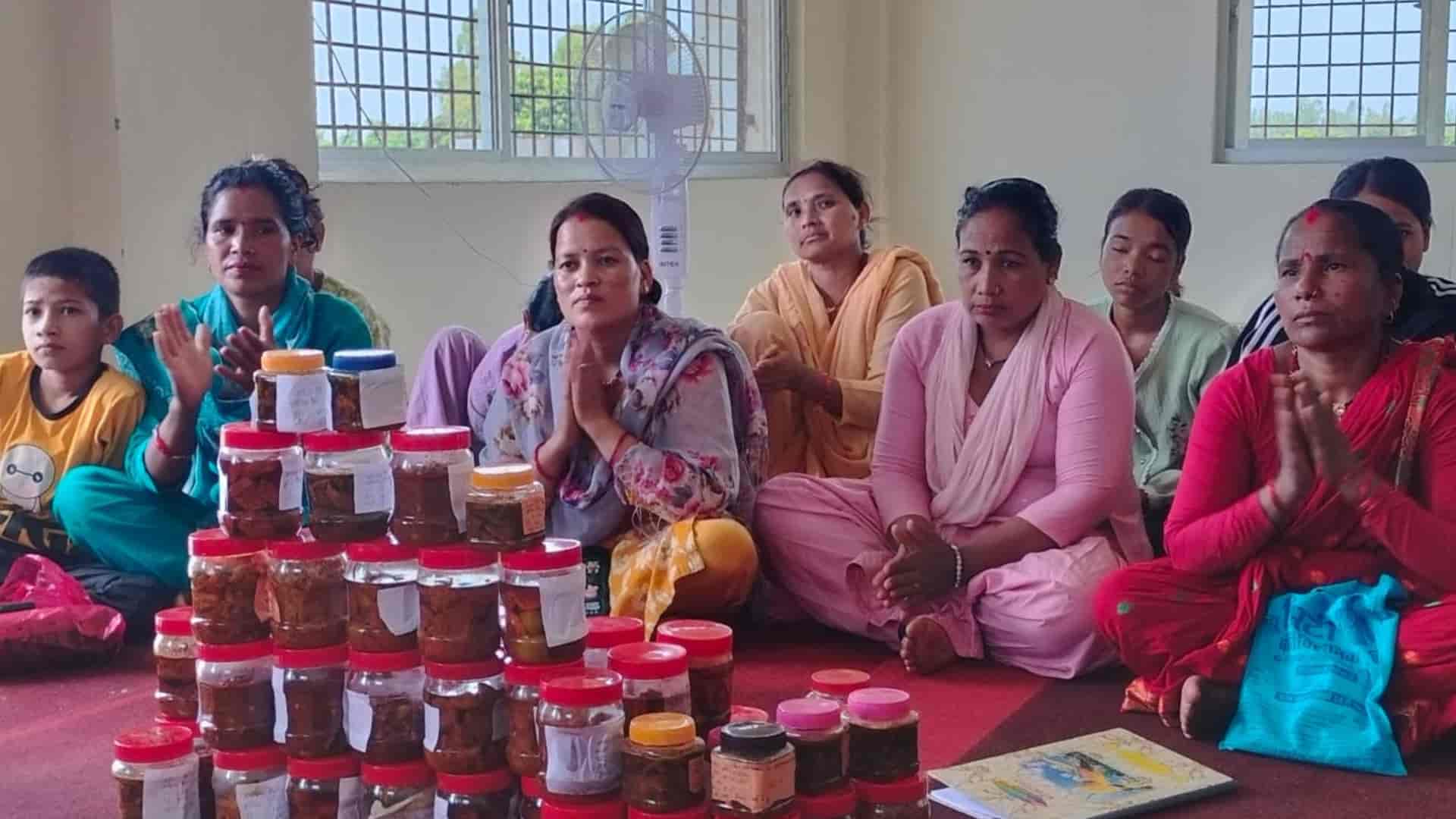
Today, the situation has changed dramatically. Not only Parvati Devi but also several other local women have become capable of producing pickles commercially. Equipped with new skills and modern processing methods learned through training, they are transforming fruits and vegetables grown in their home gardens into a source of income.
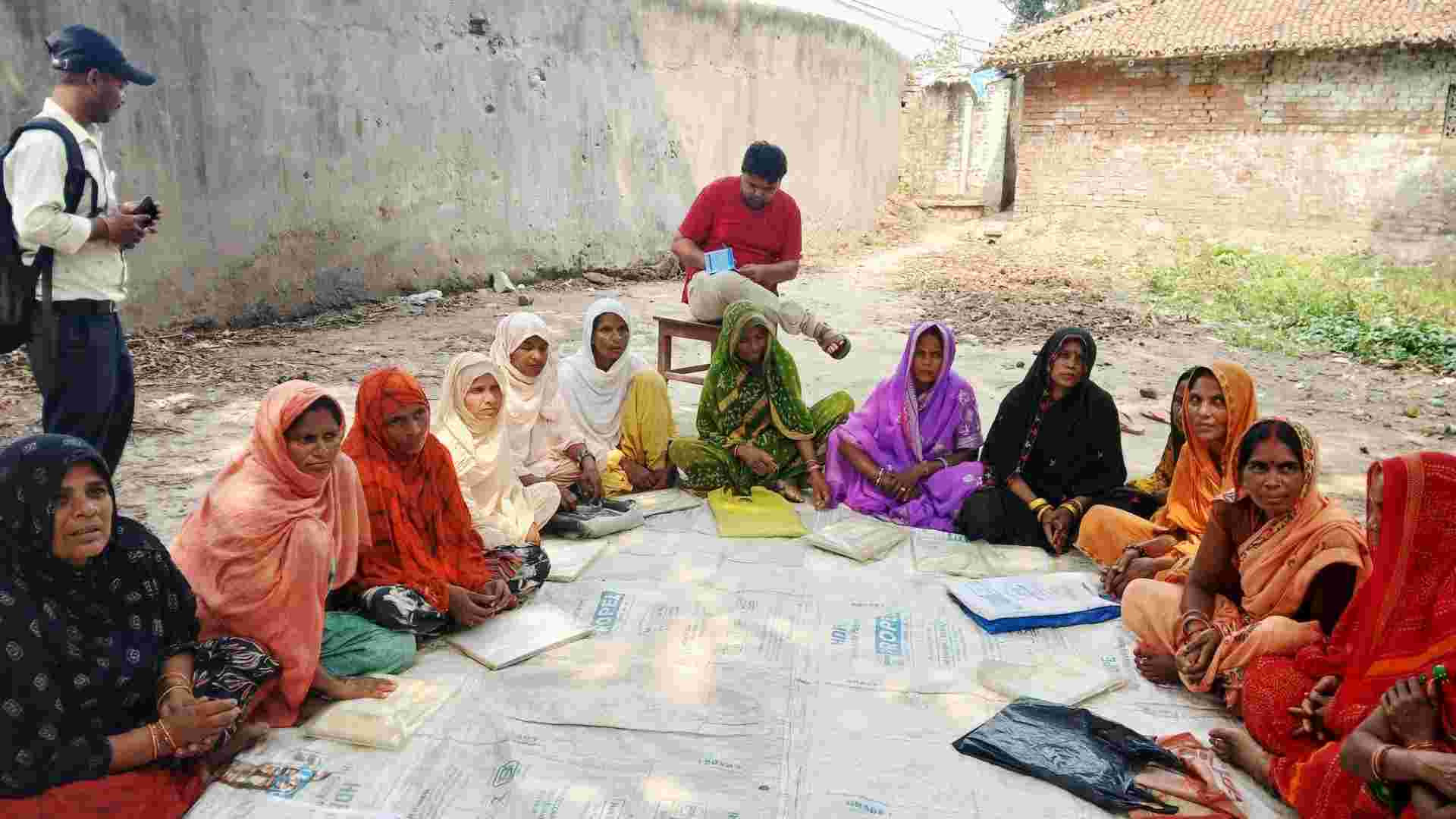
With the goal of promoting self-reliance, the Entrepreneurship Development Section of Shuklaphanta Municipality recently provided professional pickle-production training to 10 local women. Conducted by experienced trainers, the program introduced participants to commercial production practices and quality control measures.
“Earlier, we did not pay much attention to hygiene while making pickles,” said Bandana Kumari Bohara. “Now we wash our hands properly, wear gloves, use masks, and cover our hair. These practices have significantly improved both the quality and shelf life of our products.”
Following the training, participants learned to prepare a variety of pickles using locally available ingredients, including carrots, radishes, garlic, cauliflower, bitter gourd, mangoes, gooseberries, jujube fruits, and mushrooms. Since most of the raw materials are sourced from home gardens, production costs remain low while maximizing the use of local agricultural products.
The production process has also become more systematic and professional. According to the women entrepreneurs, fruits and vegetables are first thoroughly washed with clean water, cut in sanitary conditions, and boiled when necessary. After drying out excess moisture, salt and spices are mixed with heated oil before the pickle is prepared. The finished product is then packaged in clean plastic or glass containers and labeled with production details before being sent to the market.
“The training did not only teach us how to make pickles; it also taught us how to ensure product quality,” said Swastima Chaudhary, a member of the group. “We have formed a group of 10 women and started production. Our trainers have promised to support us with market access initially, and later we plan to expand the market on our own.”
To support the initiative, the ward office has provided a dedicated room for production activities. Ward Secretary Shyam Dagaura said the facility was offered to encourage women entrepreneurs and remove space-related barriers during the early stages of business development.
The municipality’s Entrepreneurship Development Section has also supplied essential equipment under a grant program, including knives, utensils, and mixer machines required for pickle production.
According to Shanta Saud of the Entrepreneurship Development Section, the initiative aims to promote self-employment by combining skills training with practical support. “Our main goal is to help women become entrepreneurs,” she said. “By providing both training and equipment, we want to make it easier for them to start their own businesses and become financially independent.”
Officials believe that processing locally produced fruits and vegetables into marketable pickle products not only helps preserve food but also creates additional income opportunities. Seasonal produce such as mangoes, gooseberries, jujube fruits, radishes, and other vegetables that might otherwise go to waste can now be transformed into value-added products.
Urmila Chaudhary noted that because most ingredients are sourced locally, production costs are low and profit potential is high. For women who were previously limited to household responsibilities, the enterprise has become a source of income as well as increased confidence.
According to Entrepreneurship Development Section Chief Dhan Bahadur Chaudhary, the training program has been effective in increasing women’s economic participation, linking traditional household skills with business opportunities, and creating self-employment in rural areas. He said the women of Shuklaphanta are no longer just homemakers making pickles for family use; they are preparing to establish their own brand and compete in the market as entrepreneurs.
What began as a simple effort to utilize fruits and vegetables grown in home gardens has evolved into a model of women’s economic empowerment, local value addition, and rural self-reliance.