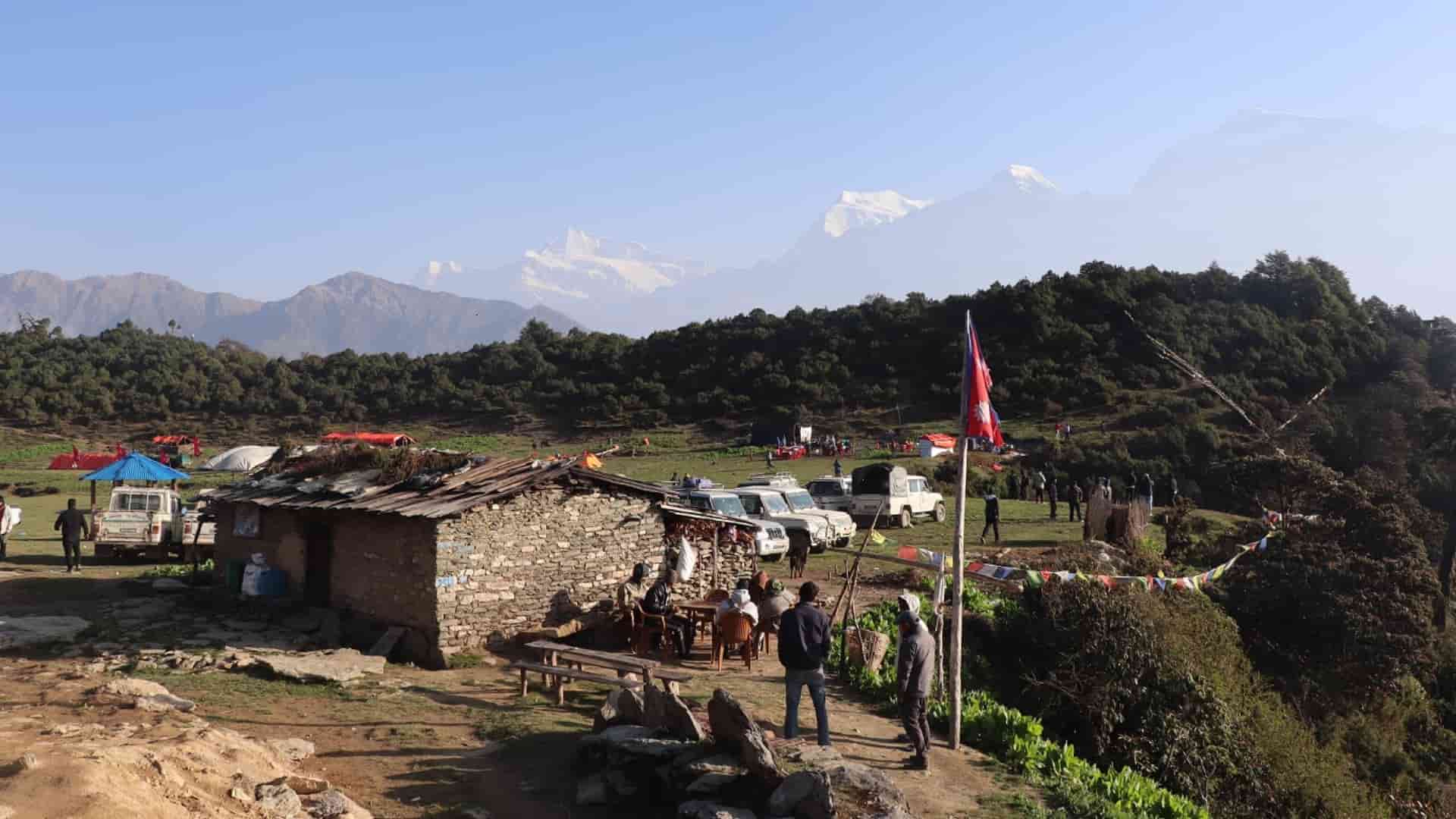

Nestled amidst lush green tea gardens, traditional Gurung settlements, and the breathtaking backdrop of the Annapurna and Machhapuchhre mountain ranges, Lwang village in Kaski has emerged as one of Gandaki Province’s most attractive rural tourism destinations.
Located in Pokhara Metropolitan City–25, Lwang can be reached via Hemja through Khanepani, Bhedabari, and Kholamukh. Adventure enthusiasts can also enjoy a scenic four-hour trek along the Mardi River, passing through forests and rugged hillsides before arriving at the village.
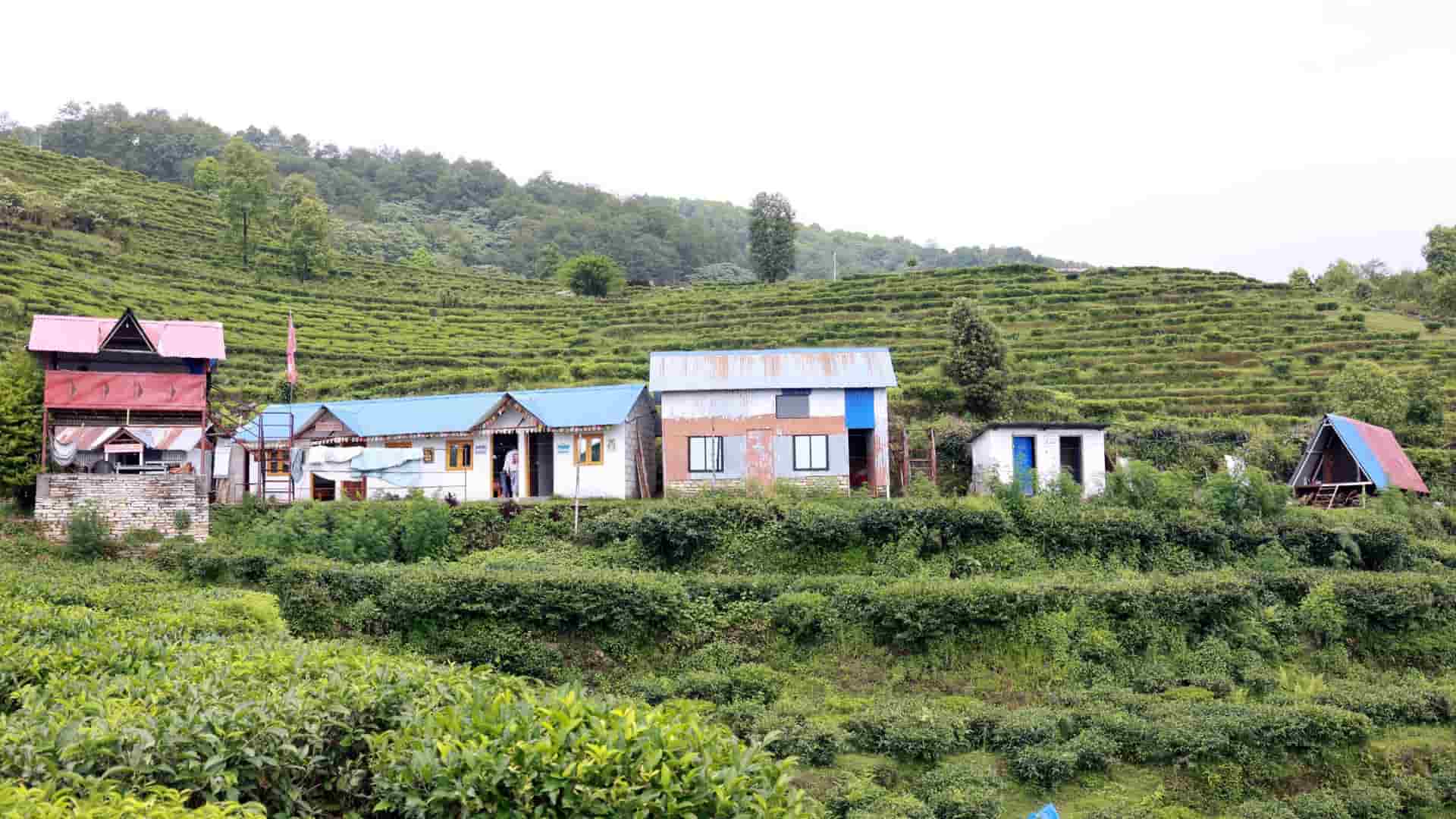
One of Lwang’s most distinctive attractions is its sprawling tea plantation, covering approximately 1,200 ropanis of land. The vast expanse of vibrant tea gardens, combined with panoramic Himalayan views and a tranquil rural atmosphere, leaves a lasting impression on visitors. Locals often describe the plantation as reminiscent of eastern Nepal’s Ilam district, but with the added advantage of uninterrupted views of Annapurna and Machhapuchhre.
The tea produced in Lwang is exported internationally, providing a significant source of employment and income for local residents. In recent years, the village has gained increased popularity, particularly among younger travelers, as photographs and videos of its picturesque tea gardens have spread widely across social media platforms.
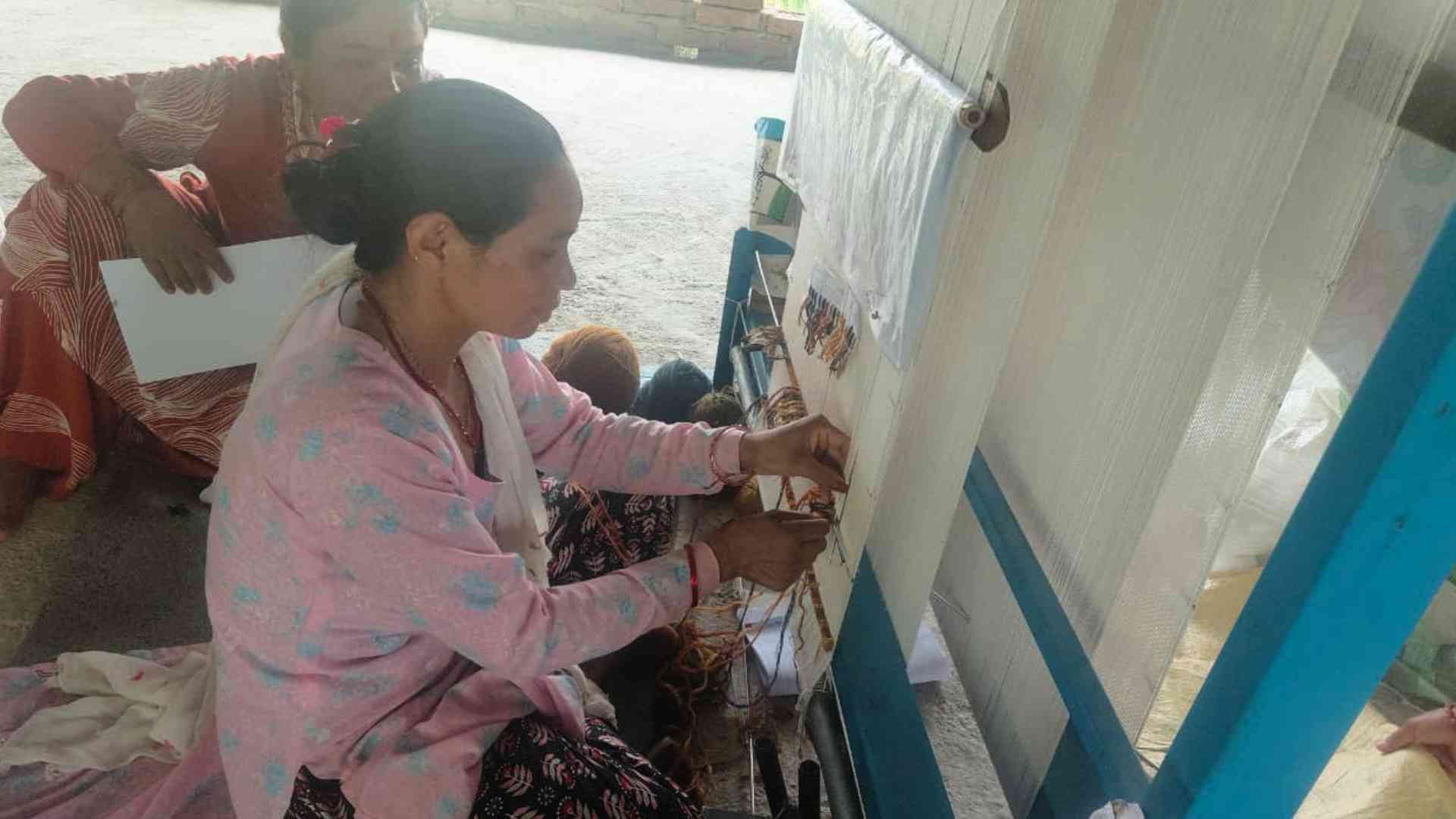
Beyond its natural beauty, Lwang offers visitors an authentic cultural experience. Tourists can immerse themselves in the traditions, customs, and daily lifestyle of the Gurung community. Traditional homes, cultural performances, local attire, and warm hospitality contribute to a memorable stay.
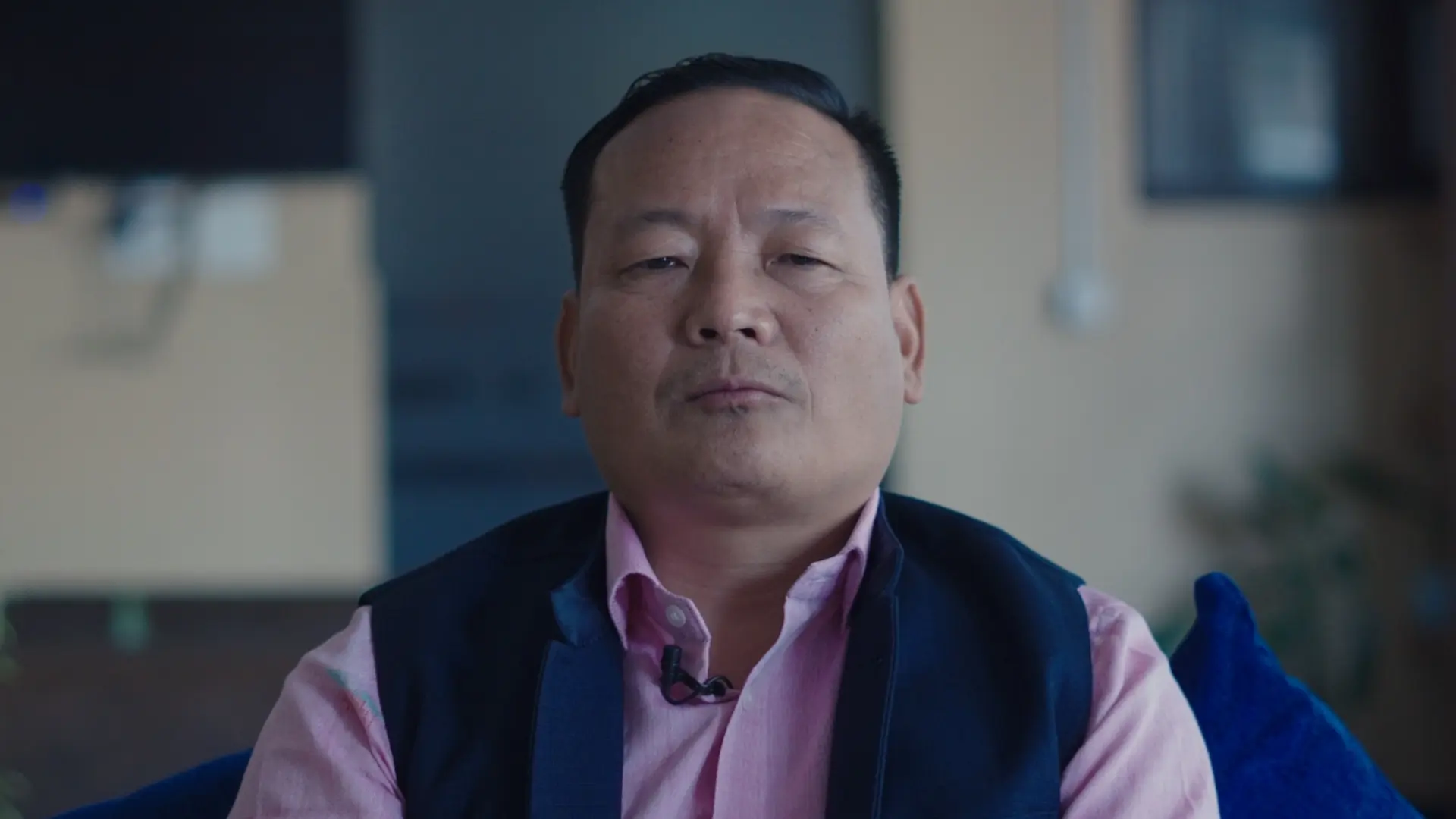
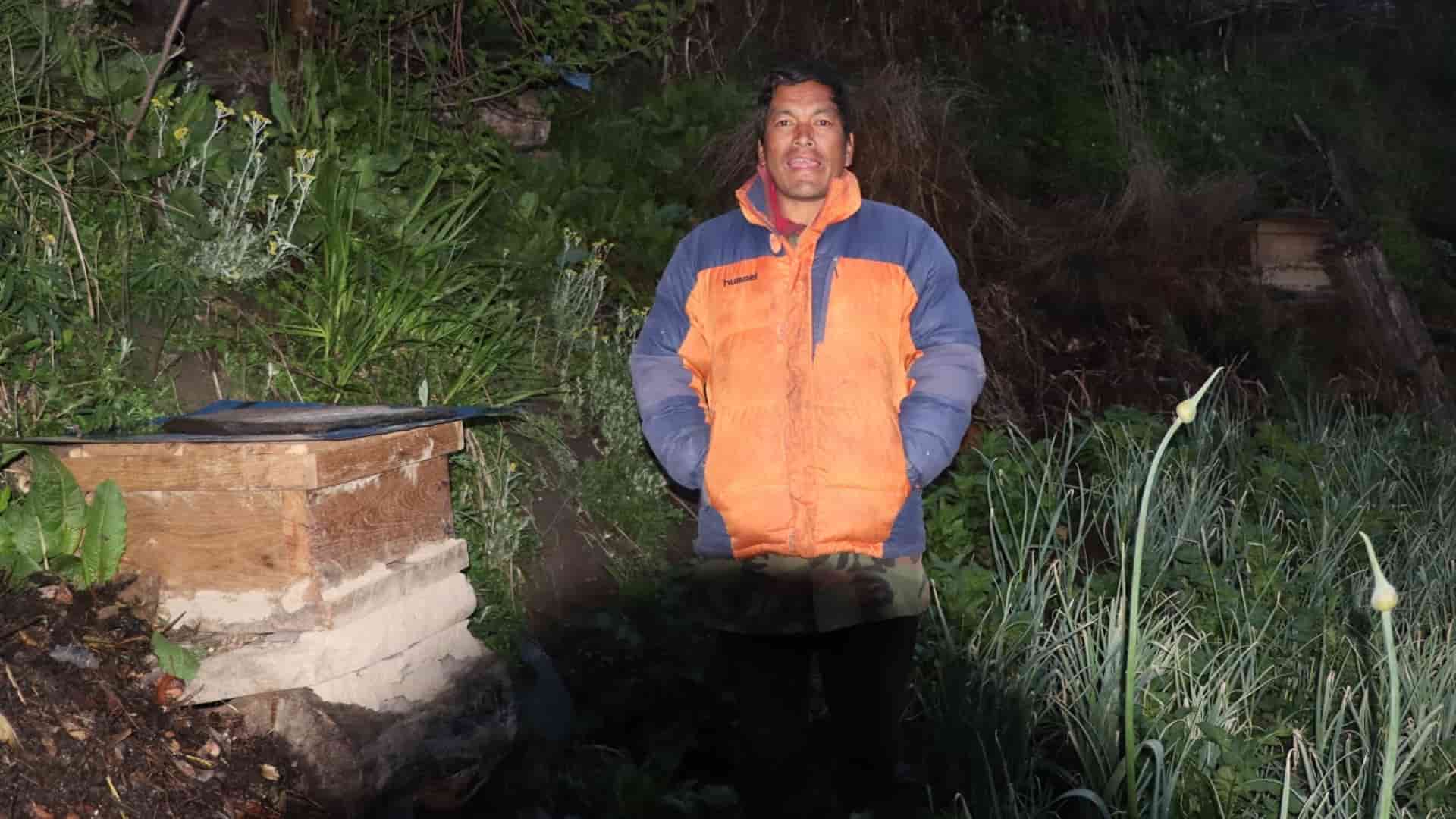
Homestay tourism has played a vital role in the village’s development. What began with seven homestays in 2010 has expanded to 26 households today. According to homestay operator Devraj Gurung, the village can accommodate around 400 guests overnight, while tourist arrivals during peak seasons can reach as many as 600 visitors per day.
“Most of our visitors are domestic tourists, especially from Pokhara, Tanahun, Syangja, and Baglung,” Gurung said. “Although the number of foreign visitors declined after the COVID-19 pandemic, Lwang continues to attract travelers throughout the year due to its proximity to Pokhara.”
Visitors staying in homestays are encouraged to participate in local activities, including farming and traditional cooking experiences. These interactive programs offer guests an opportunity to gain firsthand insight into rural Nepalese life.
Local cuisine is another highlight of the Lwang experience. Meals are prepared using locally grown maize, millet, barley, wheat, and fresh vegetables, while seasonal delicacies such as fiddlehead ferns and bamboo shoots add unique flavors during the monsoon season.
Lwang’s scenic landscapes have also attracted Nepal’s film industry. Popular Nepali films including Prasad 2 and Dui Nambari have been filmed in the village, helping to showcase its beauty to a national audience.
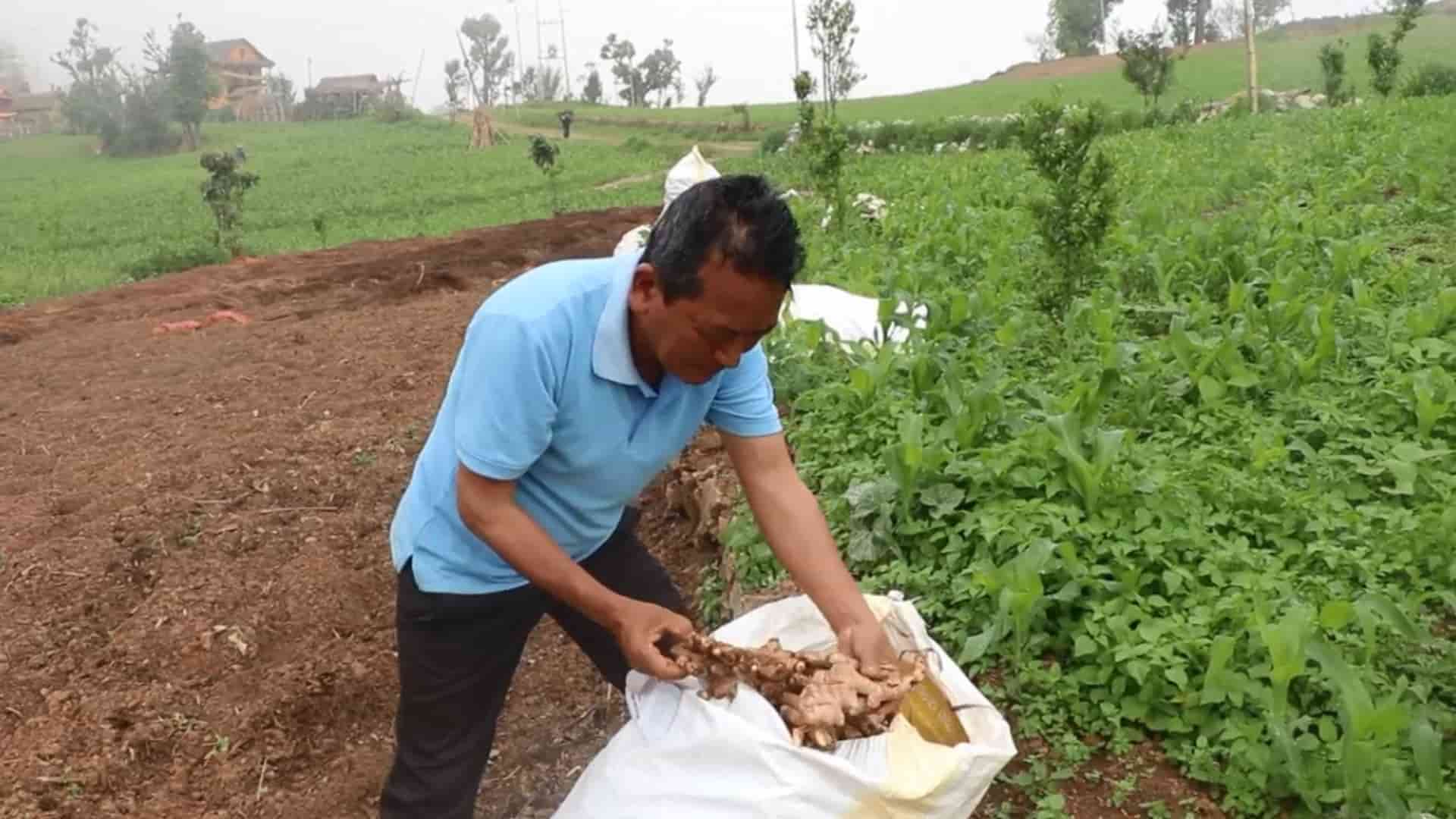
The growth of tourism, tea cultivation, and agriculture-related enterprises has encouraged some migrant workers to return home and invest in local businesses. Residents believe that further improvements in roads, trekking trails, drinking water systems, and tourism infrastructure could elevate Lwang into an internationally recognized rural tourism destination.
With its harmonious blend of verdant tea gardens, spectacular mountain vistas, vibrant Gurung culture, and heartfelt hospitality, Lwang has firmly established itself as one of Nepal’s most promising rural tourism destinations. For travelers seeking an authentic taste of rural Nepal amid stunning natural surroundings, Lwang offers an unforgettable experience.