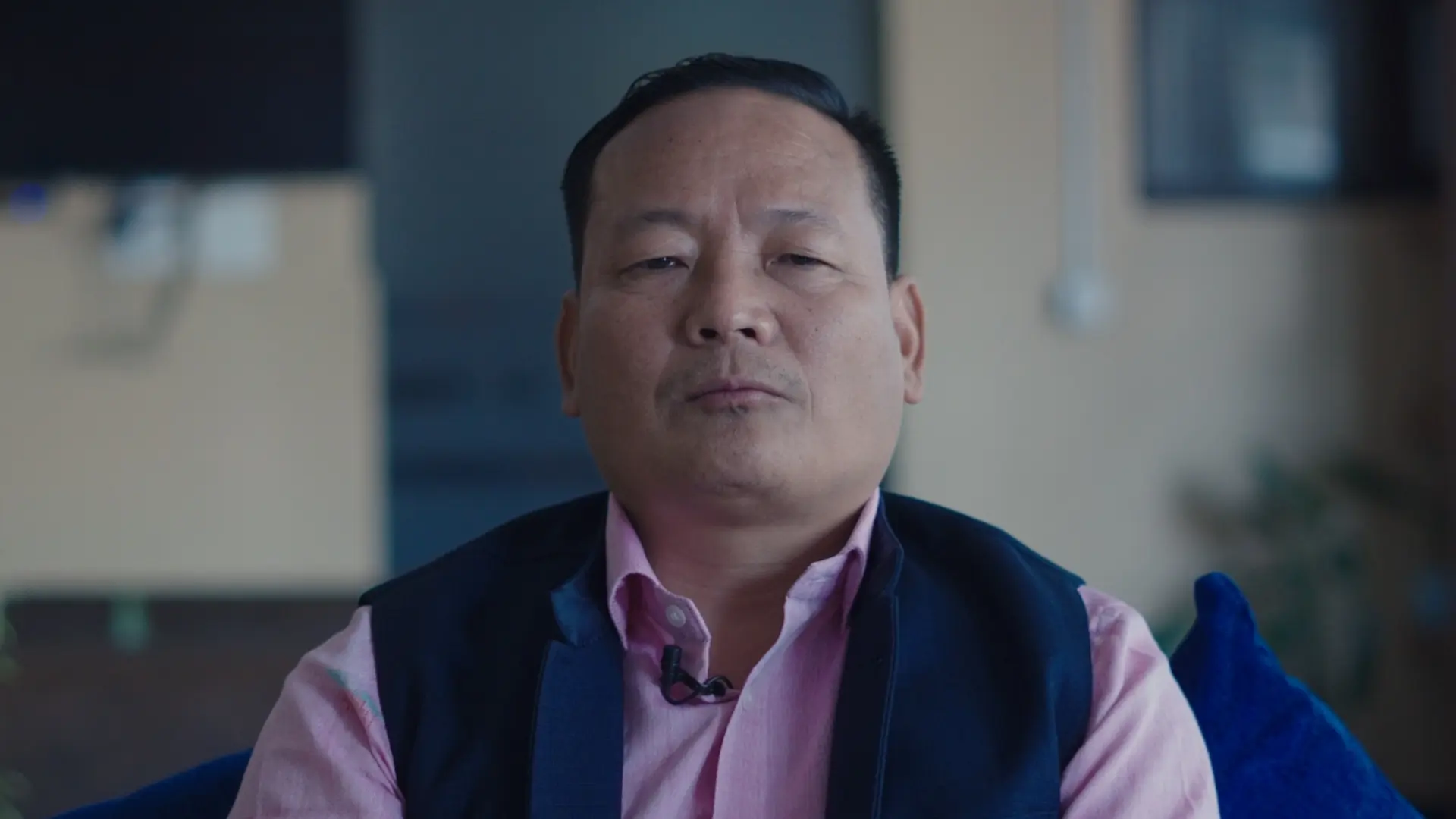

After spending two decades working abroad, 50-year-old Him Bahadur Chhantyal of Malkawang, Dhaulagiri Rural Municipality–5 in Myagdi has returned to his roots—not for retirement, but to build a thriving sheep and goat farming business.
While many continue to migrate from villages to cities and overseas in search of better opportunities, Chhantyal chose a different path. Despite having the financial means to live a comfortable life with his family in Pokhara, he was driven by a desire to contribute to his birthplace. “I could have lived a luxurious life in the city with the money I earned in the UAE,” he said. “But I wanted to do something meaningful in my own village. Even if others leave, someone has to stay and build.”
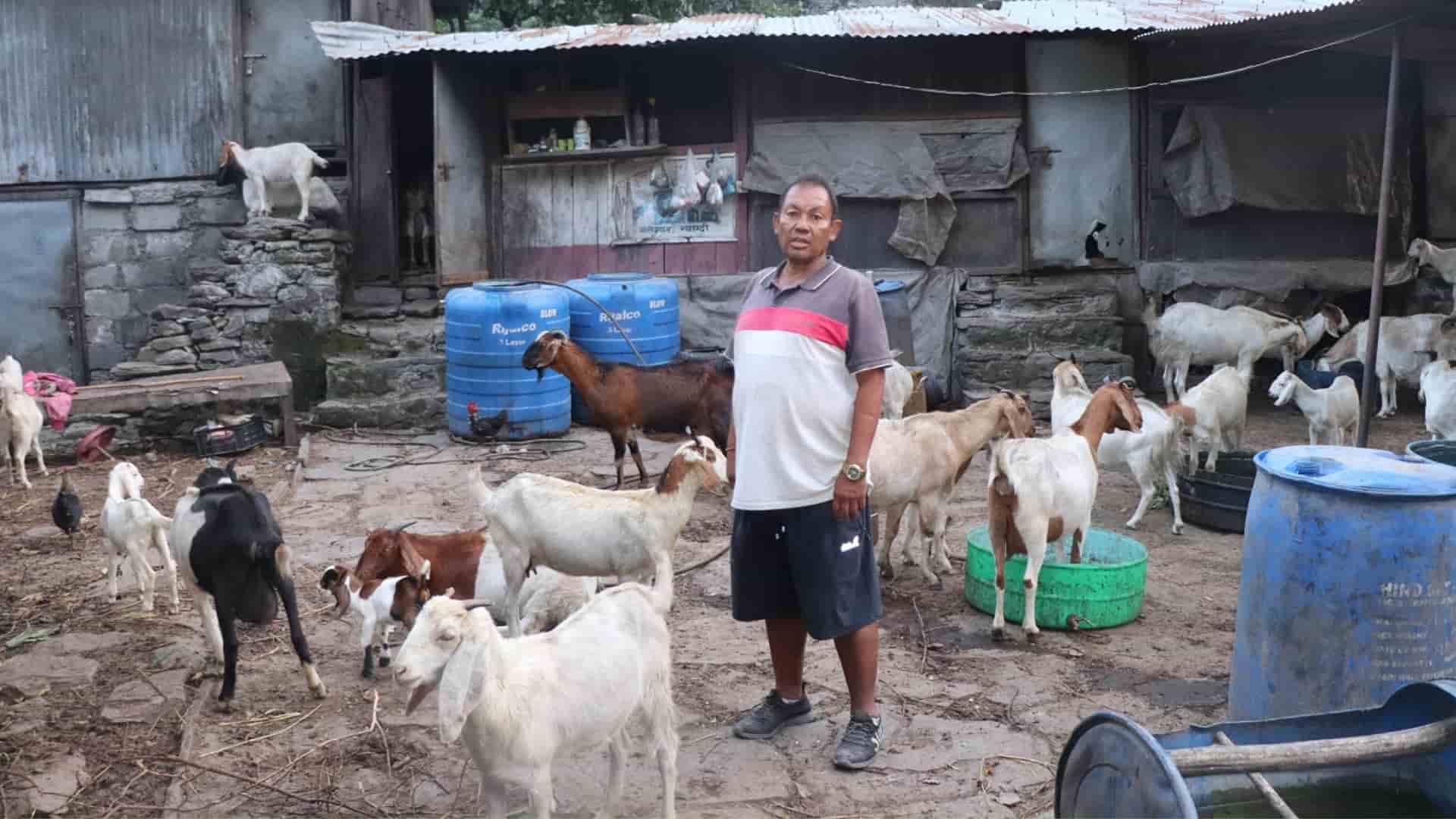
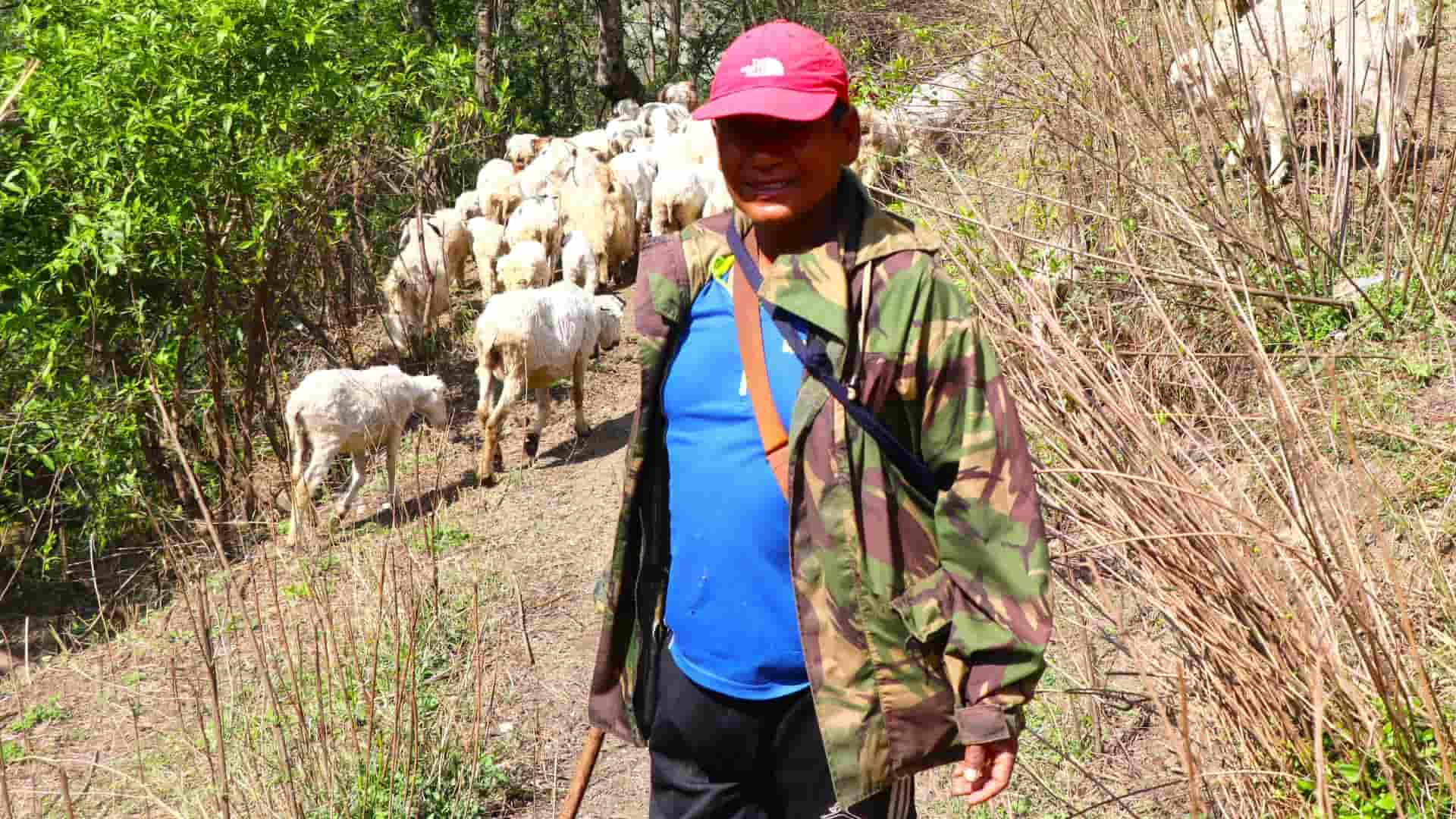
With an investment of nearly NRs 10 million, he established the ‘Malkawang Sheep and Goat Farm,’ channeling both his savings and experience into agriculture. While his family resides in Pokhara, Chhantyal spends most of his time herding around 600 sheep and goats, moving seasonally between lowlands in winter and high-altitude pastures near the Dhaulagiri range during summer.
Each year, he sells around 300 livestock, generating an annual revenue of NRs 3 to 4 million. His farm not only supports his livelihood but has also created employment for three local residents. According to him, there is no shortage of market demand for goat and sheep meat, especially for consumption and religious purposes.
Local authorities and veterinary services have also extended support. The rural municipality helped construct sheds to protect livestock from harsh winter conditions, while veterinary offices provide free vaccinations against diseases and parasites. To ensure safety, Chhantyal has deployed five dogs to guard the herd and uses two horses for transporting supplies.
Despite the success, challenges remain. Limited grazing land, threats from wild animals, and changing weather patterns continue to test the sustainability of sheep farming. Nevertheless, Chhantyal remains committed, finding peace and fulfillment in the highlands with his livestock—far from the noise and stress of urban life.