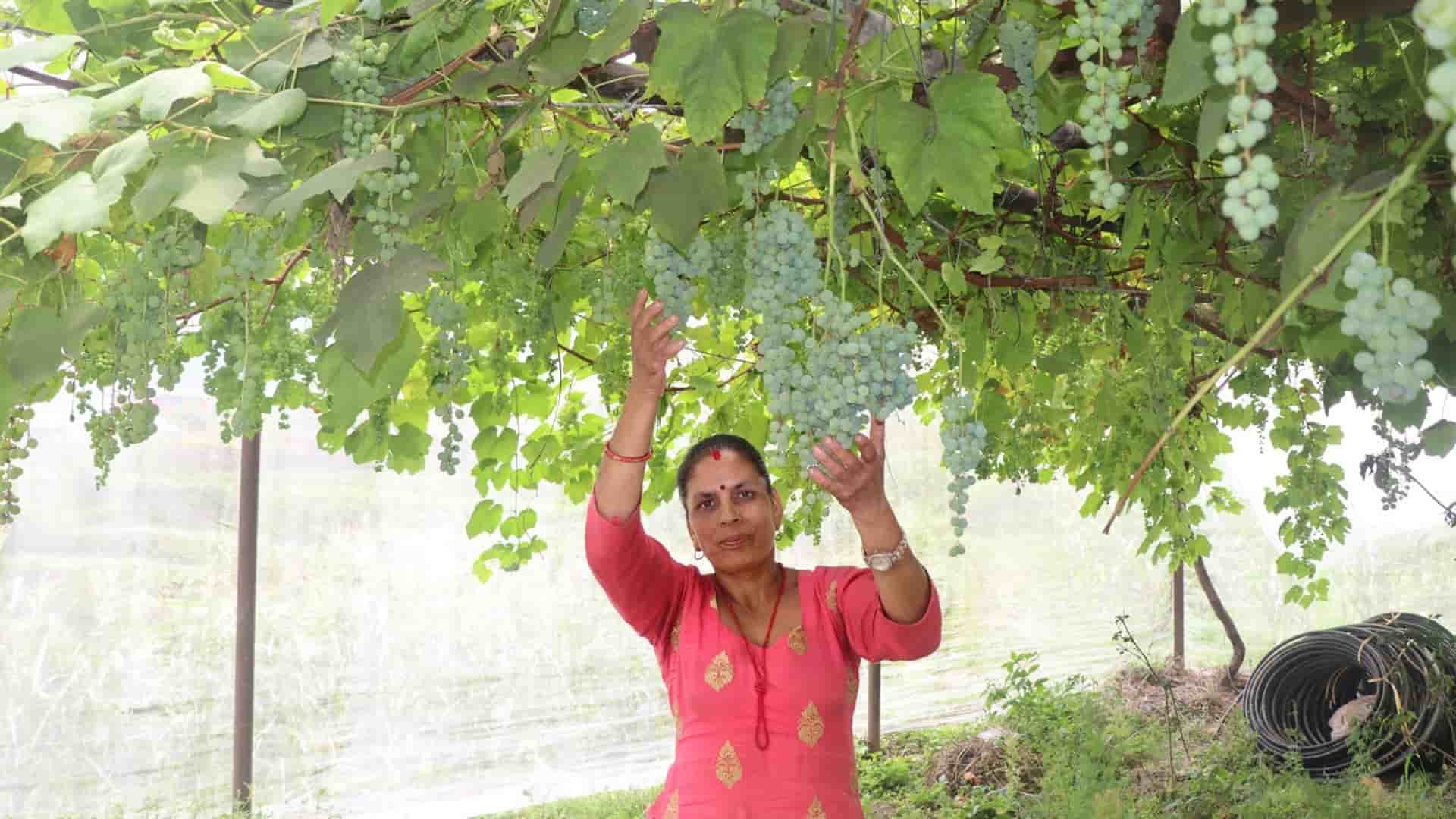

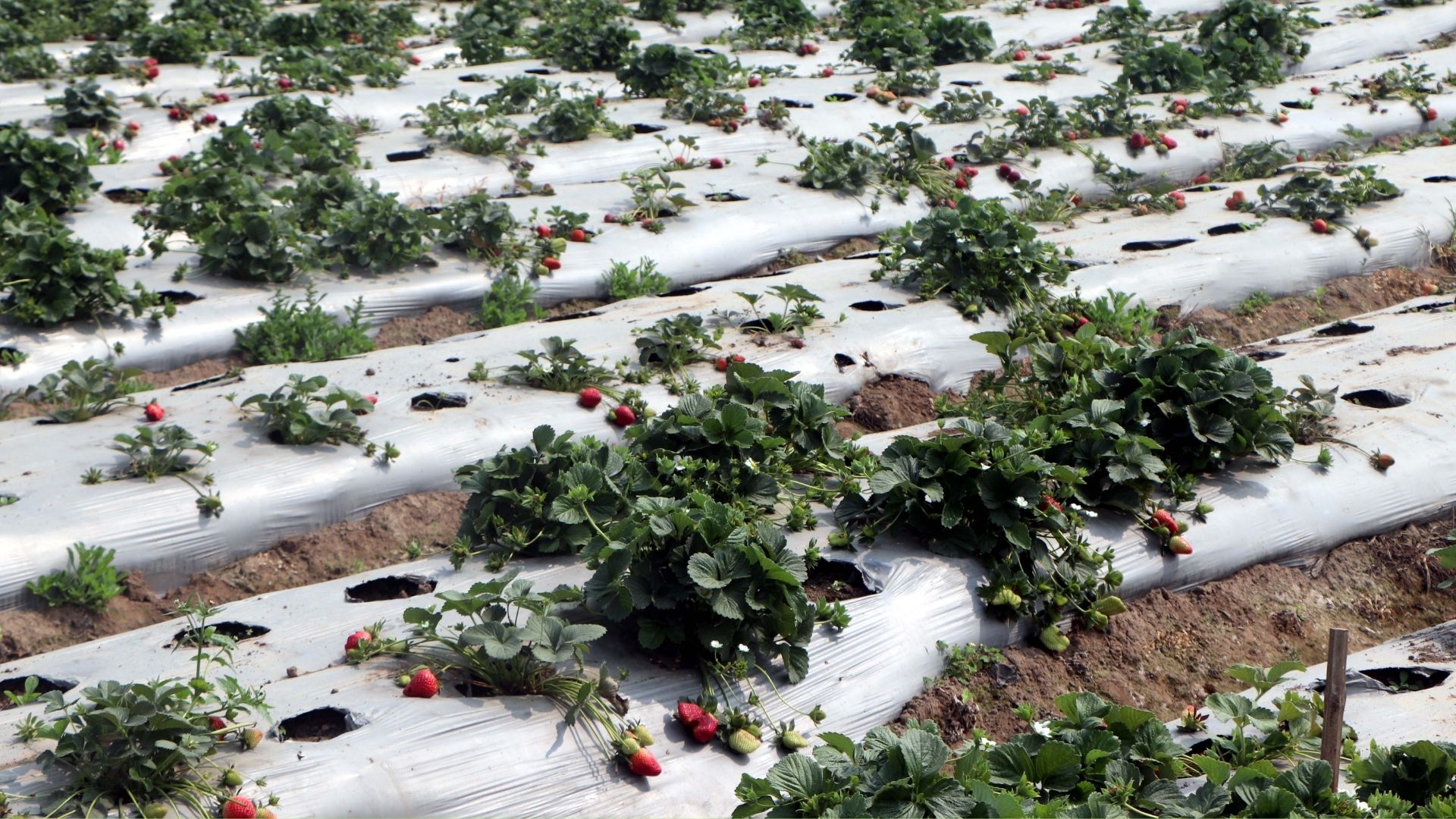
Strawberry cultivation at Nepal Agrovine Pvt. Ltd., located in Samichok, Ward No. 5 of Bharatpur Metropolitan City, has recently drawn significant attention from tourists.
The farm, which has been operating commercially for the past five years, has been giving priority to promoting agro-tourism alongside strawberry farming.
One of the farm’s principal operators, Sasan Devkota, returned to Nepal nine years ago after living in the United States. After completing higher education there, he launched an agriculture business in Nepal based on the agro-tourism model.
“We operate a strawberry farm under the agro-tourism model. Visitors can pick strawberries themselves and take them home,” he said.
Strawberry cultivation covers one bigha of land, while the overall farm spans five bighas. The farm employs four permanent staff members and hires eight to ten daily wage workers during peak periods. From this year, the farm has also begun cultivating tomatoes, capsicum (bell peppers), and chilies using modern farming techniques alongside strawberries.
According to Devkota, the main strawberry production season lasts for about 50 days. In the initial years, research was conducted to select suitable varieties. American varieties of strawberries were found to perform well in the Tarai region and have therefore been planted.
The seedlings were originally developed in the United States and are currently imported from nurseries in Egypt. Devkota shared that there are plans to produce seedlings domestically starting next year.
“Strawberries have played a strong role in promoting agro-tourism,” he said. He added that agro-tourism provides opportunities for people to connect directly with agriculture, making it particularly beneficial for children and students. Students from various agricultural colleges frequently visit the farm for study and research, contributing to more practical, hands-on learning.
According to Devkota, wild strawberry varieties found in the hilly regions grow best at altitudes of around 1,700 to 1,900 meters above sea level.
“There is great potential for agro-tourism in Nepal,” he said. “Many people now want to reconnect with farming. Some, however, leave agriculture after earning money elsewhere, forgetting that no matter how much we earn, we still need to eat. Our team’s goal is to promote the idea that one can study agriculture and find fulfillment in farming itself.”
He also noted that there are plans to expand agro-tourism initiatives to other locations in the coming years.