
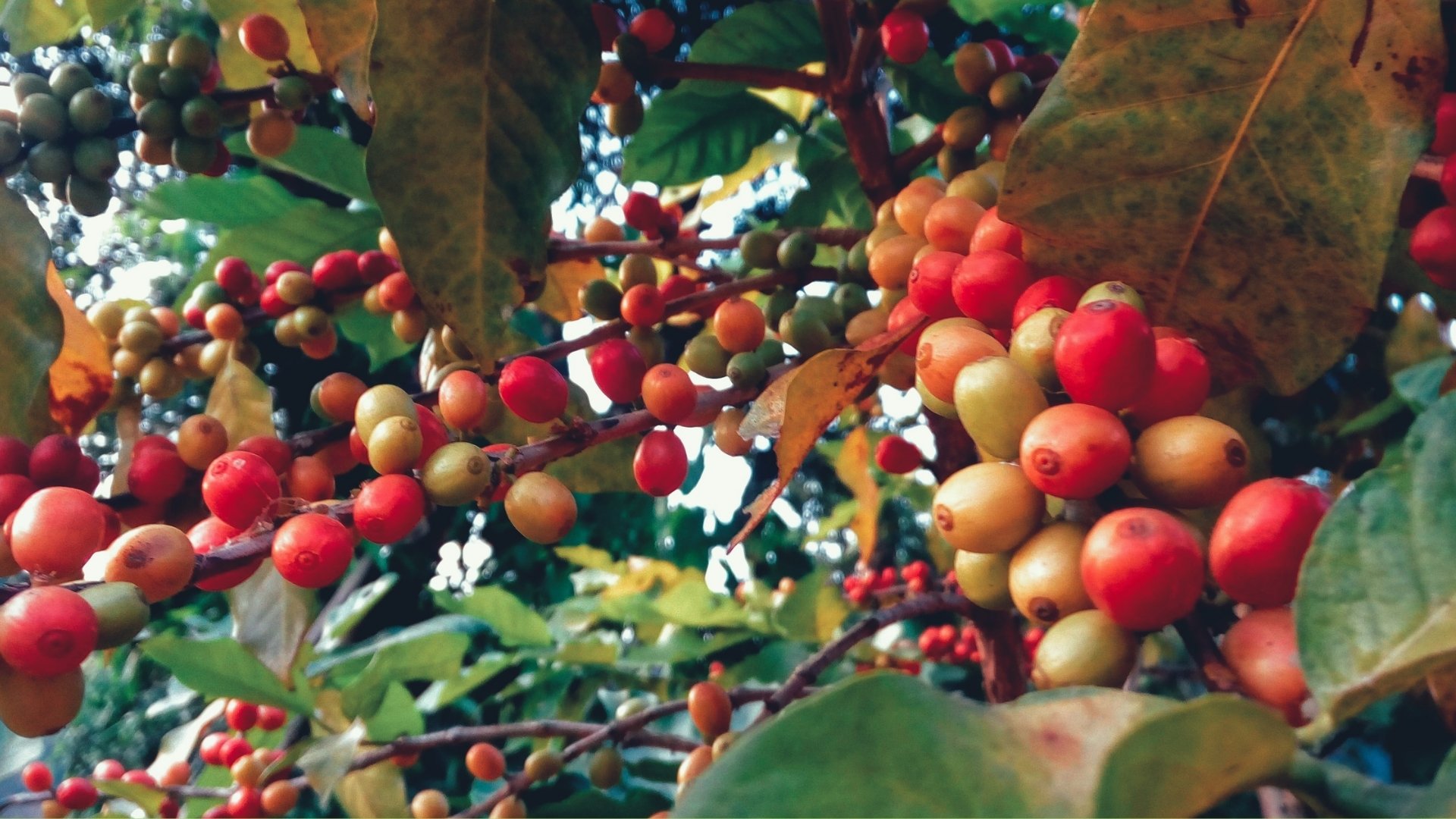

Until recently, coffee plants were grown only on a small scale in Bhojpur district. Today, however, commercial coffee farming has taken root as farmers shift toward organized production following improved access to markets. Coffee has now become a primary source of income for many local households.
With buyers purchasing produce directly from farms, farmers no longer face the burden of searching for markets, and their earnings have increased significantly.
Coffee cultivation is expanding in several areas of the district, including Sindrang, Homtang, Lungin and Lungthung of Hatuwagadhi Rural Municipality; Khoksik of Ramprasad Rai Rural Municipality; as well as Aamchok Rural Municipality, Pauwadungma Rural Municipality and Shadananda Municipality. The soil composition, climate and topography of these regions are considered highly suitable for coffee production.
According to Surendra Kumar Udas, a coffee program official, a special grant from the federal government, combined with farmers’ cost-sharing contributions, is supporting a program worth approximately Rs 33 million in the current fiscal year to expand coffee farming. He said suitable areas have been identified and cultivation is being expanded in a planned manner. Coffee promotion programs are currently being implemented in all 14 wards of the municipality.
In Ward 8 of Ramprasad Rai Rural Municipality in Khoksik, farmers have begun collective coffee cultivation on 22 ropanis of land. Previously dependent on traditional crops such as maize and potatoes, farmers are now turning to income-generating and export-oriented agriculture. Local farmer Manoj Rai said Khoksik’s geography is well suited for coffee farming and offers better returns compared to other crops.
Locally produced coffee is sold in cities such as Dharan, Itahari, Biratnagar and Kathmandu before being exported abroad, according to local coffee traders. Organic coffee, in particular, enjoys strong demand in the international market.
Coffee trader Sunil Shrestha said production has increased in recent years as more farmers engage in commercial cultivation. Farmers report that a well-grown coffee plant can yield between 25 and 30 kilograms. As cultivation expands, the volume of coffee exported from the district is also rising.
Local experts believe that the expansion of coffee farming will not only increase farmers’ incomes but also strengthen the district’s agricultural economy.