

Being involved in politics does not mean one cannot pursue another profession. In fact, there have long been accusations that corruption increases when politics itself becomes a full-time occupation.
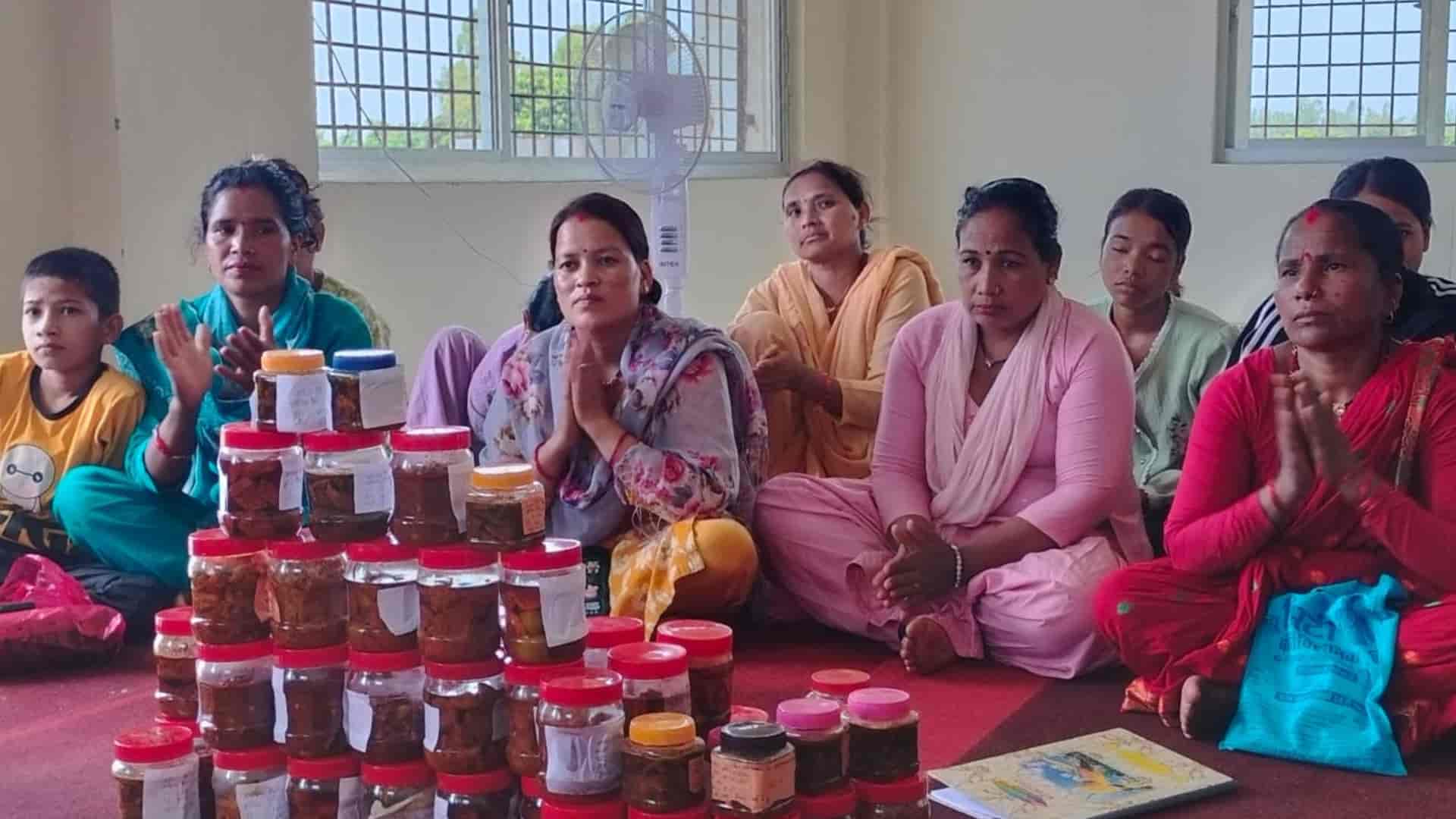
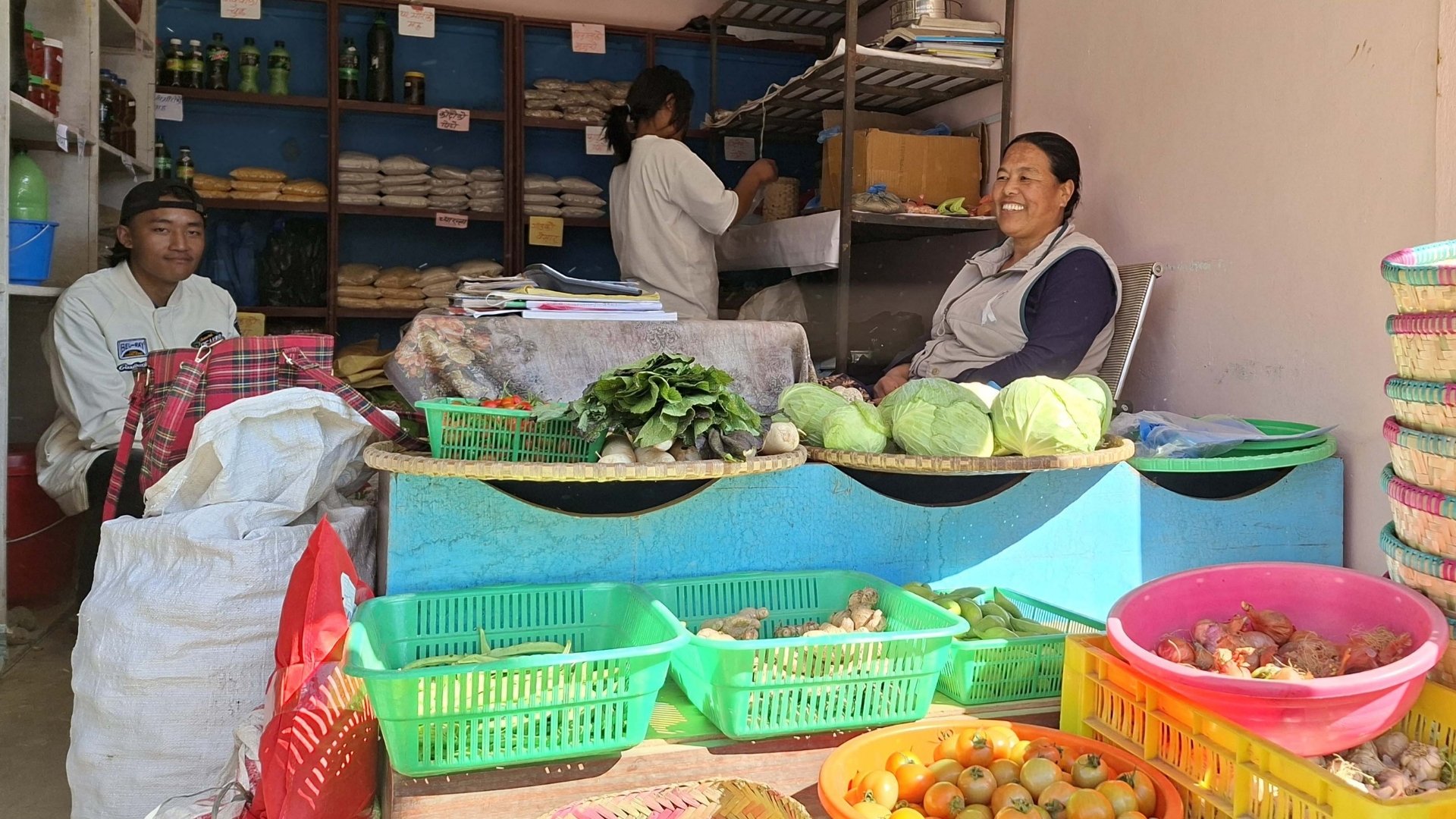
In this context, Constituent Assembly member Durga Jayanti Rai has been operating a “Model Agro-based Processing Center” in Diktel Bazaar with the aim of adding value to agricultural products and promoting local industries. She collects, processes, and sells locally produced maize, buckwheat and millet, rice, mustard oil, buffalo meat, mustard greens, and other farm products.
Rai, who is also a central committee member of the Nepal Communist Party (NCP), started this business in 2076 BS (2019 AD) with an initial investment of Rs. 5,000, selling 25 kg of maize snacks and ten packets of fermented greens (gundruk and sinki). Today, her shop offers maize snacks, buckwheat and millet flour, rice, ghee, honey, mustard oil, dried buffalo meat, lentils, green vegetables, and even traditional baskets and trays.
Having spent years in underground politics and served four years in the federal parliament, Rai initially found entering business risky due to uncertainty about the market for agricultural products. However, customers seeking traditional flavors showed strong interest in her shop.
As the business expanded, Rai began supplying products to Dharan, Kathmandu, Hong Kong, Singapore, and local markets. Growing demand for traditional Nepali foods among the Nepali diaspora abroad has further supported business growth.
Following the Hetauda convention, the then CPN (Maoist Centre) adopted a policy encouraging leaders and cadres to engage in production and entrepreneurship. This decision motivated Rai to run the enterprise in a regular, long-term, and systematic manner. She noted that after the peace process and establishment of the republic, full-time political engagement was no longer necessary, allowing her to contribute to productive sectors.
Rai believes the party’s stance that leaders should have their own sources of income inspired her greatly. She says working closely with farmers strengthens social awareness, while understanding consumers grounds political practice in reality. According to her, entrepreneurship has had a positive impact on her political life, and politics should remain selfless.
One major challenge she faces is the irregular supply of raw materials throughout the year. She prices products by adding a 20–25 percent profit margin over cost, ensuring fair and transparent pricing for consumers.
Rai emphasizes that businesses based on local production strengthen employment, self-reliance, and the local economy. She encourages other political figures to engage in agriculture or local industries and believes that if all three levels of government provide agricultural subsidies effectively, the national economy will benefit.
Rai, who also serves as chairperson of the Diktel Multiple Campus Management Committee, was elected as a proportional representative Constituent Assembly member from Janamorcha Nepal in the first Constituent Assembly election held in 2008.