

Farmers who have long relied on chemical fertilizers are increasingly turning their attention to vermicompost as a sustainable alternative. Recognizing its benefits for soil fertility, crop quality, and additional income generation, Shuklaphanta Municipality has launched a skills transfer initiative to encourage farmers to produce vermicompost.
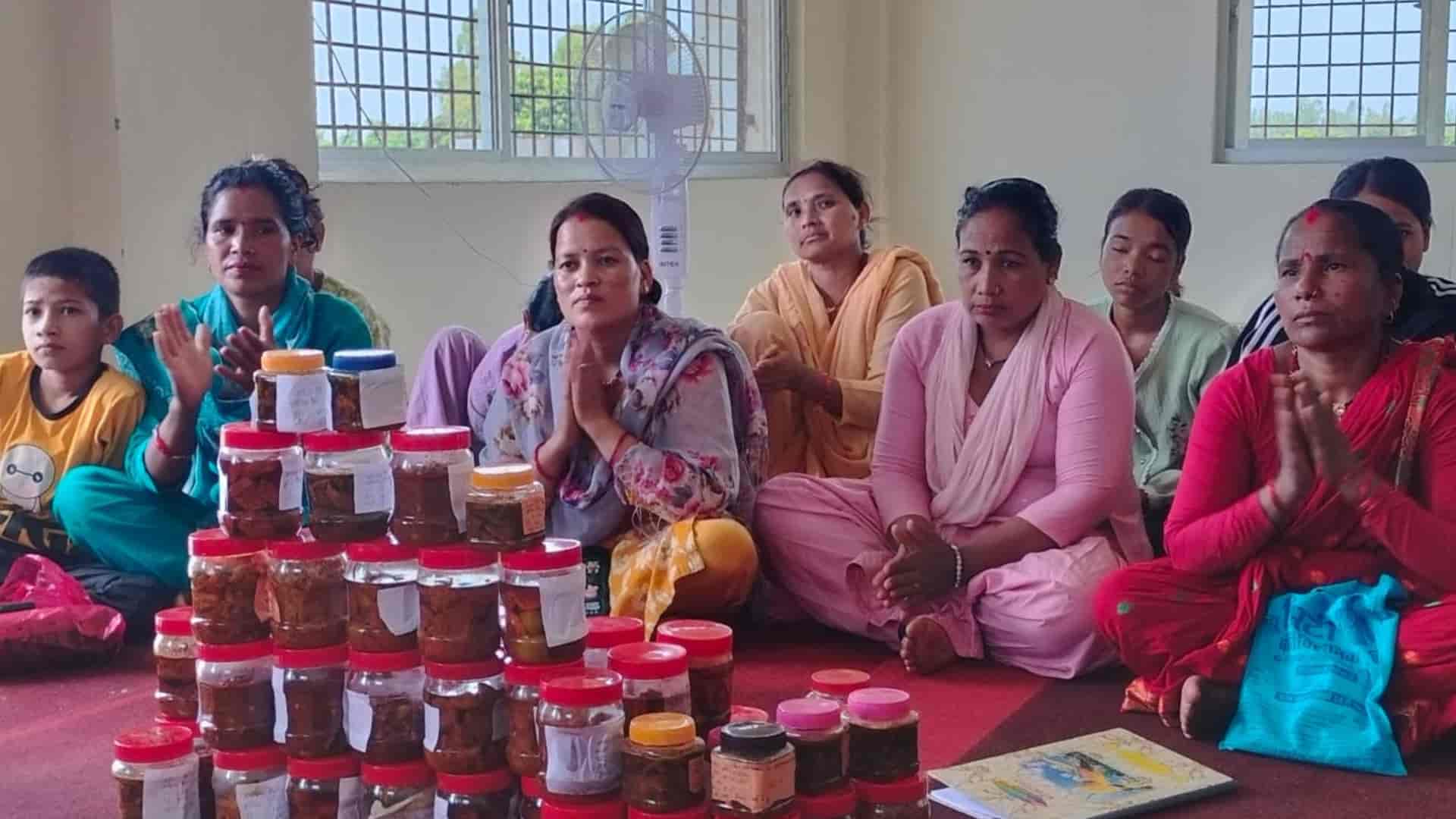
Under the municipality’s “One Ward, One Enterprise” program, 25 farmers recently participated in a three-day theoretical and practical training course organized in collaboration with the non-governmental organization NEEDS Nepal. The training covered vermicompost production techniques, its agricultural significance, commercial potential, and marketing opportunities.
Trainer and experienced vermicompost producer Bir Bahadur Hamal emphasized that excessive use of chemical fertilizers has gradually degraded the quality of agricultural land, making the adoption of organic fertilizers increasingly important. He noted that chemical fertilizers can destroy beneficial soil microorganisms and increase production costs, prompting farmers to seek sustainable alternatives.
“Vermicompost is highly beneficial not only for the soil but also for plants,” Hamal said. “It is often referred to as a ready-made food for plants. Its effects can be observed within four to five days of application around plant roots.”
According to Hamal, vermicompost contains 13 essential nutrients required for plant growth and productivity, including nitrogen, phosphorus, potassium, zinc, calcium, and boron. It improves soil structure, enhances water retention capacity, and promotes biological activity in the soil.
Demand for vermicompost has been growing, particularly among vegetable growers, fruit farmers, rooftop gardeners, and nursery operators. “Previously, it was difficult to convince farmers about its importance, but now meeting market demand has become a challenge,” he added.
Hamal, who has been producing vermicompost in Nepalgunj since 2014, currently produces around 64 metric tons annually and supplies it to 10 districts across Lumbini, Karnali, and Sudurpashchim provinces. His business generates an annual income of approximately NPR 2 to 2.5 million.
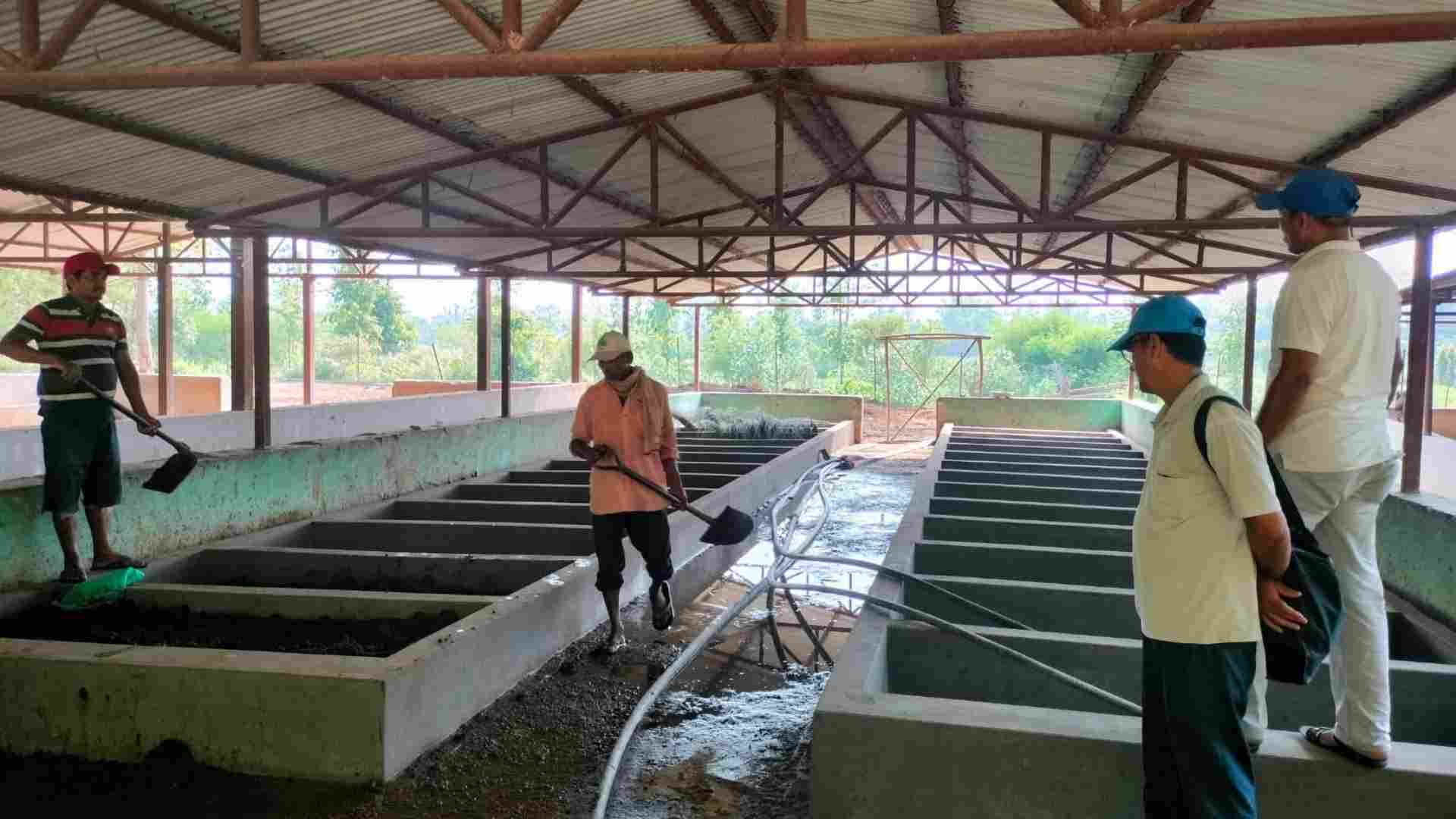
He explained that vermicompost production requires relatively low investment. Farmers can produce it using cattle manure, organic waste, and earthworm culture in open spaces or simple sheds. Vermicompost is currently sold at NPR 30 to 35 per kilogram, while earthworm seed cultures can fetch up to NPR 2,000 per kilogram, creating additional income opportunities for farmers.
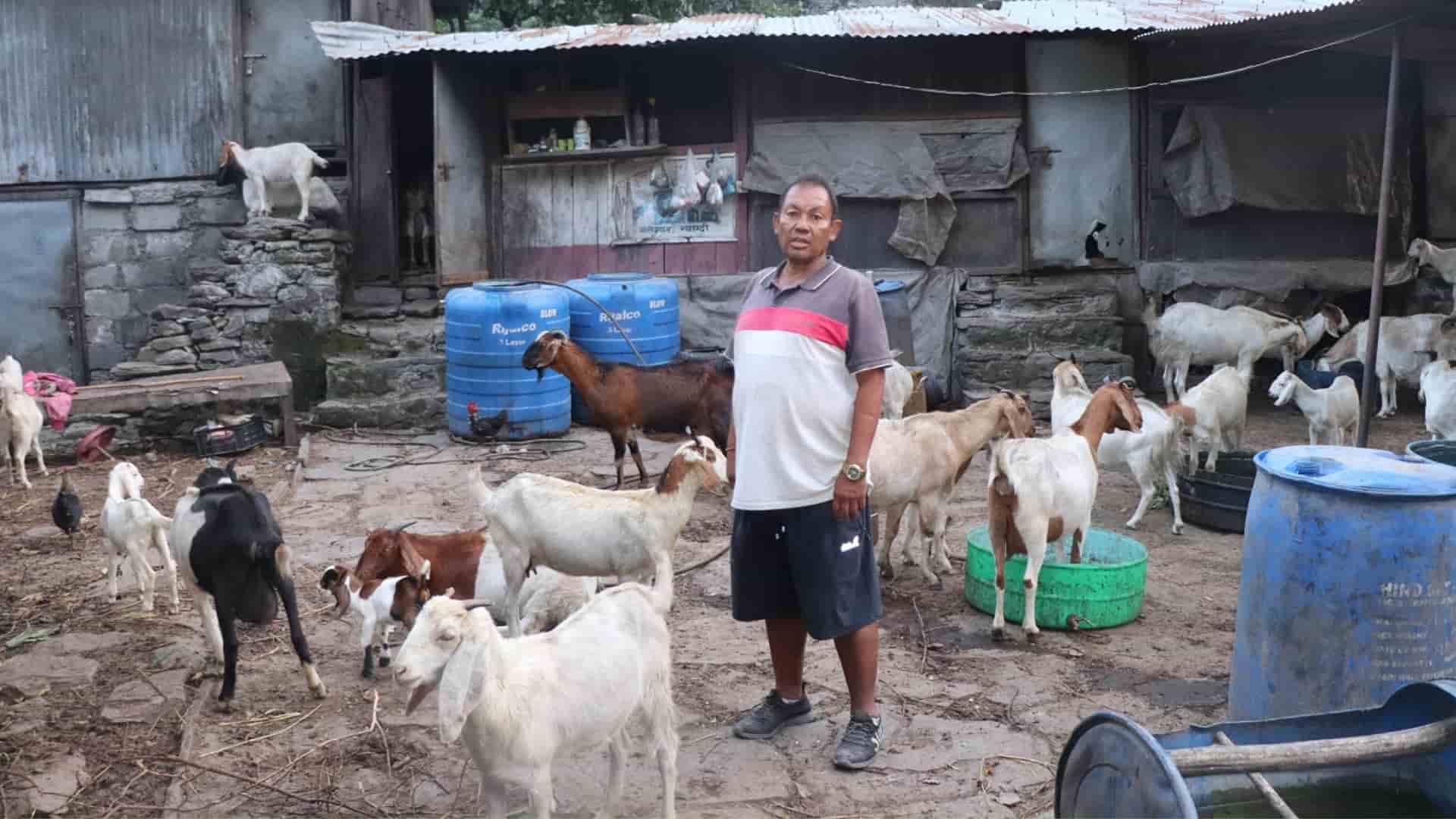
Shuklaphanta Municipality plans to expand vermicompost production on a commercial scale. According to Dhan Bahadur Chaudhary, head of the municipality’s Enterprise Development Section, 28 vermicompost pits have been constructed at the community cattle shelter in Ward No. 9.
“Our goal is to utilize the daily manure produced by the cattle shelter for commercial vermicompost production,” Chaudhary said. “We are encouraging farmers to adopt this practice and are providing not only training but also essential equipment through subsidies.”
The municipality stated that the initiative aims to promote effective manure management, environmental cleanliness, and local production of organic fertilizer.
Training participant Lalit Bahadur Saud said the program provided valuable practical knowledge. “We thought chemical fertilizers were increasing production, but we learned that they were gradually weakening the soil,” he said. “Now we plan to produce vermicompost at home for our own use and sell the surplus.”
Under its “Women Entrepreneurs Empowerment Through Sustainable Income Project,” NEEDS Nepal has also been providing vermicompost production training to women and farmers in Shuklaphanta, Bedkot, and Krishnapur municipalities. Project Coordinator Hemant Shahi said the organization works closely with community cattle shelters to provide practical skills training and facilitate knowledge exchange among local farmers.
“Farmers learn more through hands-on practice than in classrooms,” Shahi said. “That is why we take participants to operational farms where they can observe the entire vermicompost production process.”
As demand for organic agricultural products continues to rise, vermicompost is increasingly being recognized as an effective solution for reducing dependence on chemical fertilizers, improving soil health, enhancing crop quality, and protecting the environment. Experts believe it is emerging not only as a valuable agricultural input but also as a profitable rural enterprise.