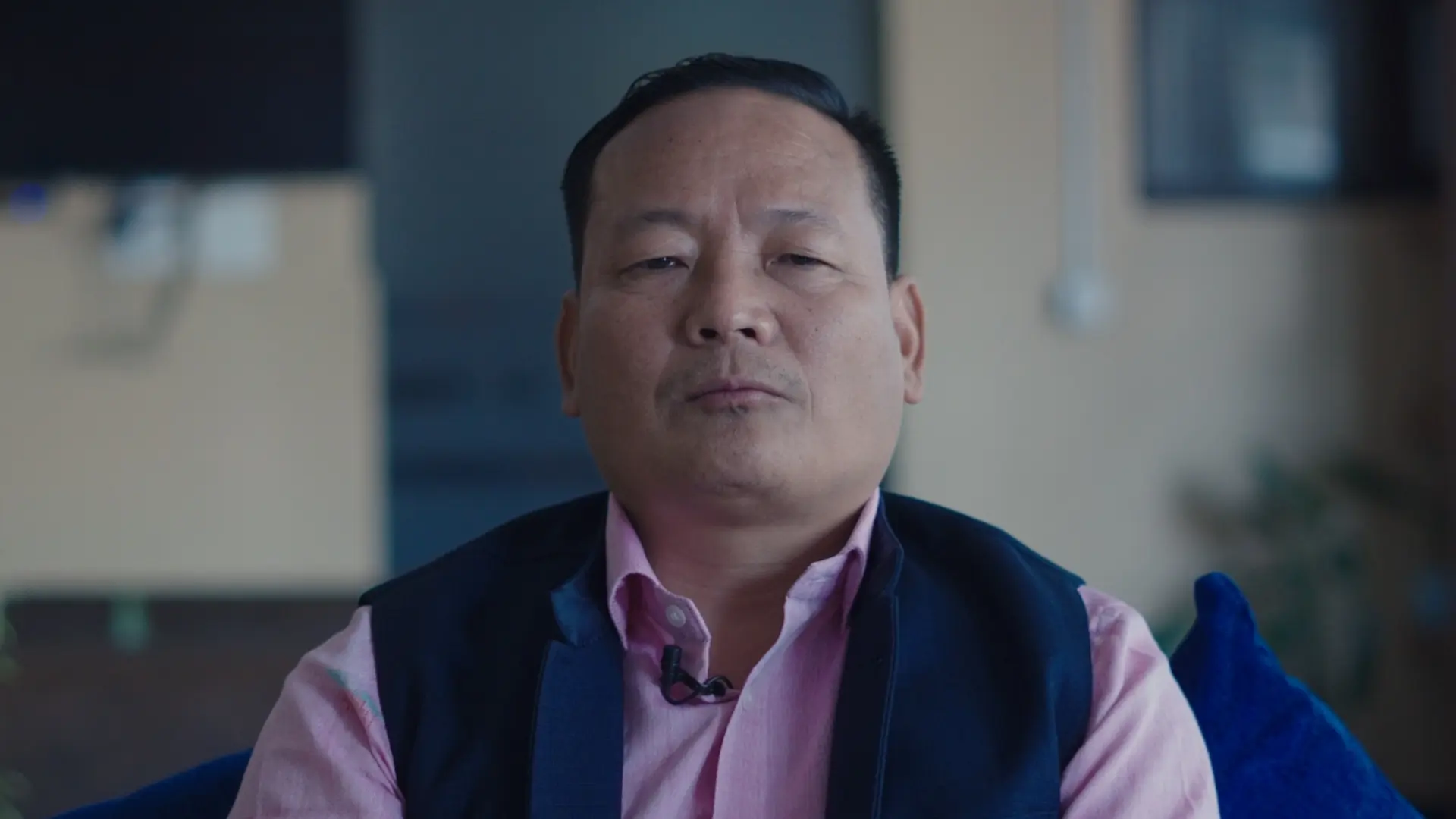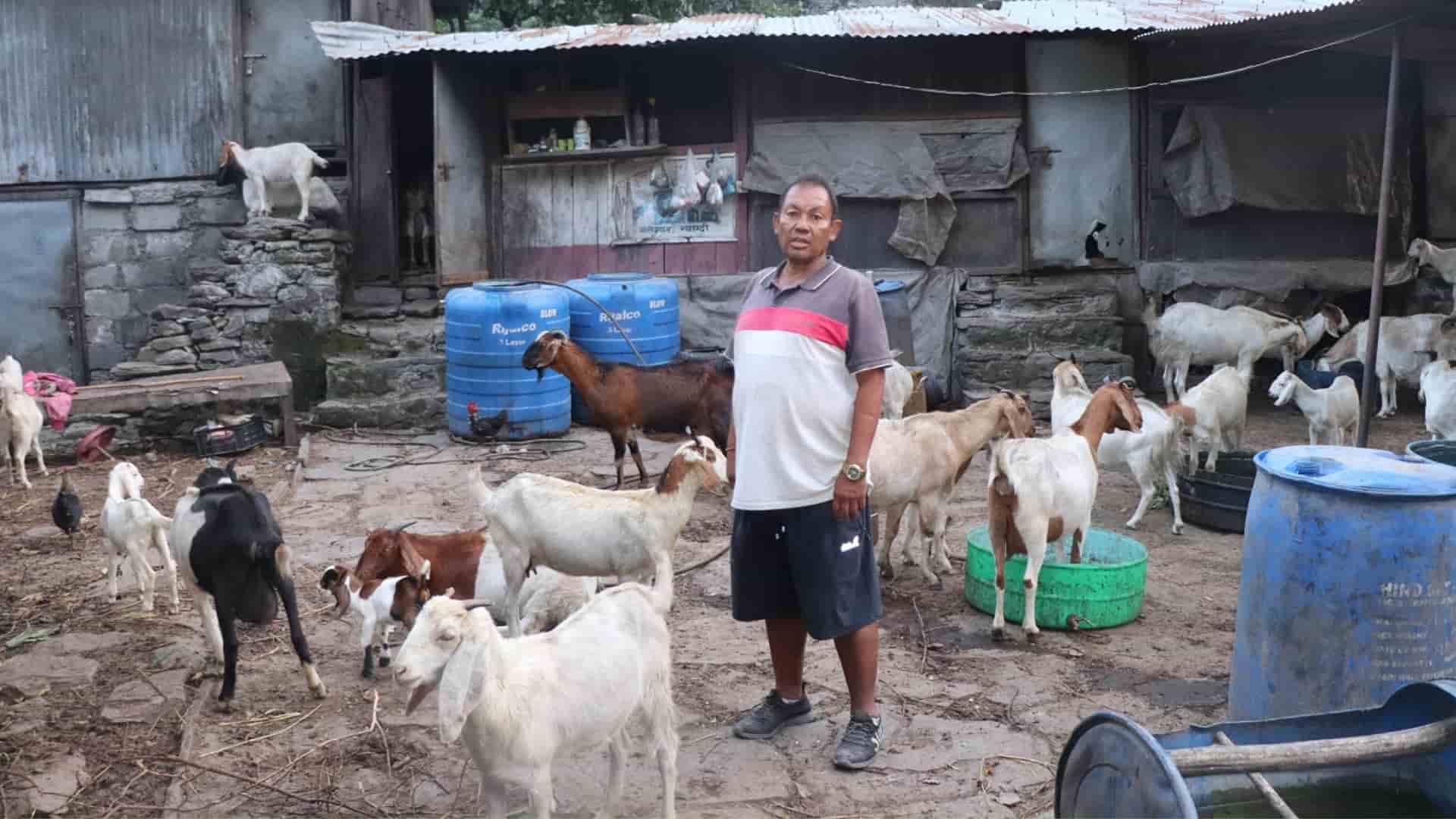


Customers flock daily to the home of 51-year-old entrepreneur Tham Prasad Paudel in Tarakhet, Ward No. 2 of Mangala Rural Municipality, Myagdi, to buy fresh milk and yogurt. Located along the busy Beni–Jomsom road, his farmhouse has become a popular stop for buses, jeeps, trucks, motorcycles, and travelers seeking quality dairy products.
Today, Paudel is recognized as a successful buffalo farmer. However, two decades ago, his life took a different turn when his dream of working abroad ended in disappointment. In 2006, he borrowed money and paid NRs 300,000 to a broker in hopes of securing employment in Afghanistan. The money was lost, and his foreign employment plans never materialized.
“My money was gone, and so was my dream of going abroad,” Paudel recalls. “After that, I abandoned the idea of foreign employment and started buffalo farming and vegetable cultivation.”
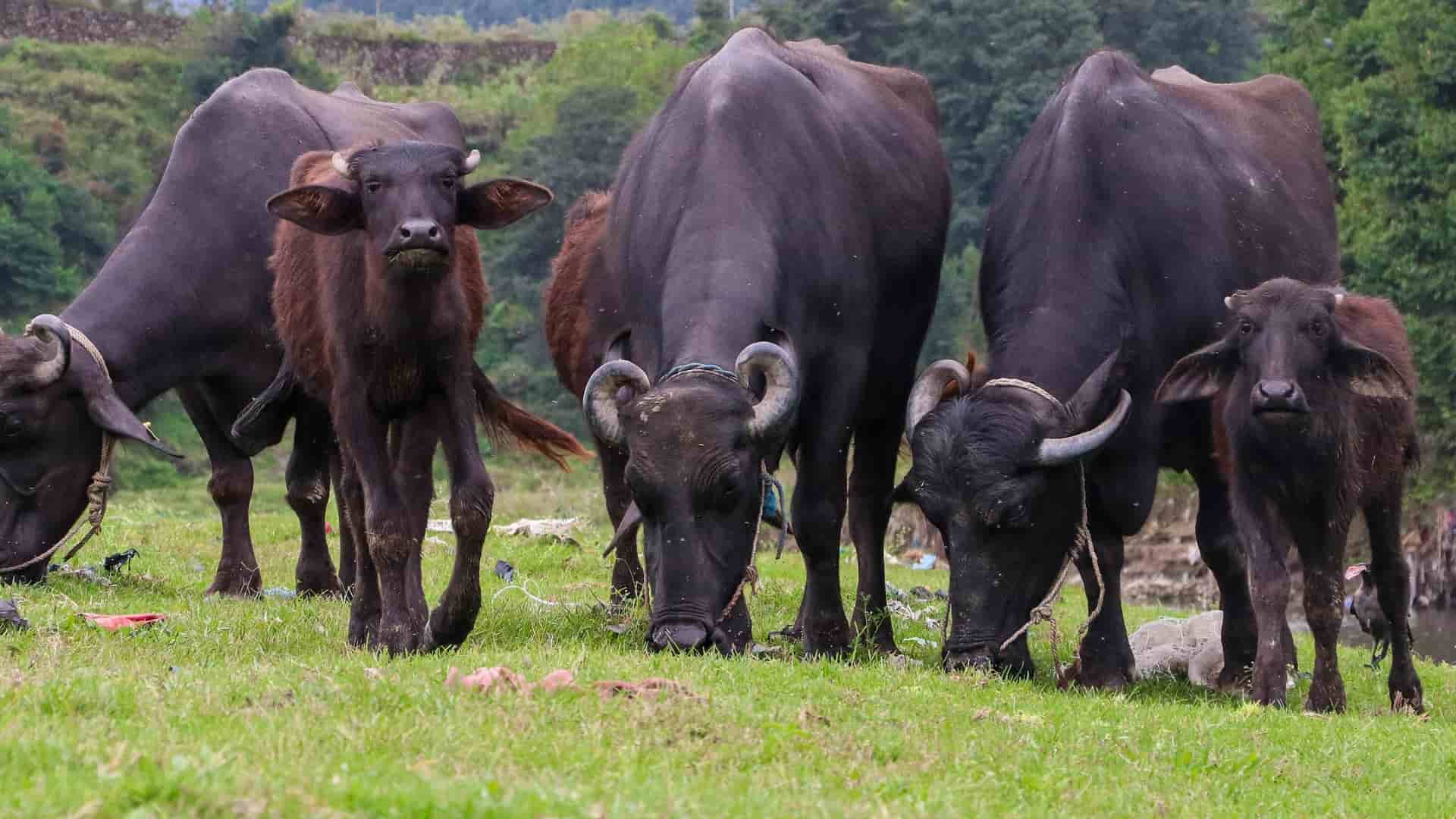
Burdened by debt and family responsibilities, Paudel began his journey with just two buffaloes. Today, his farm has grown into a well-managed enterprise with eight buffaloes and provides regular employment to one worker in addition to family members involved in the business.
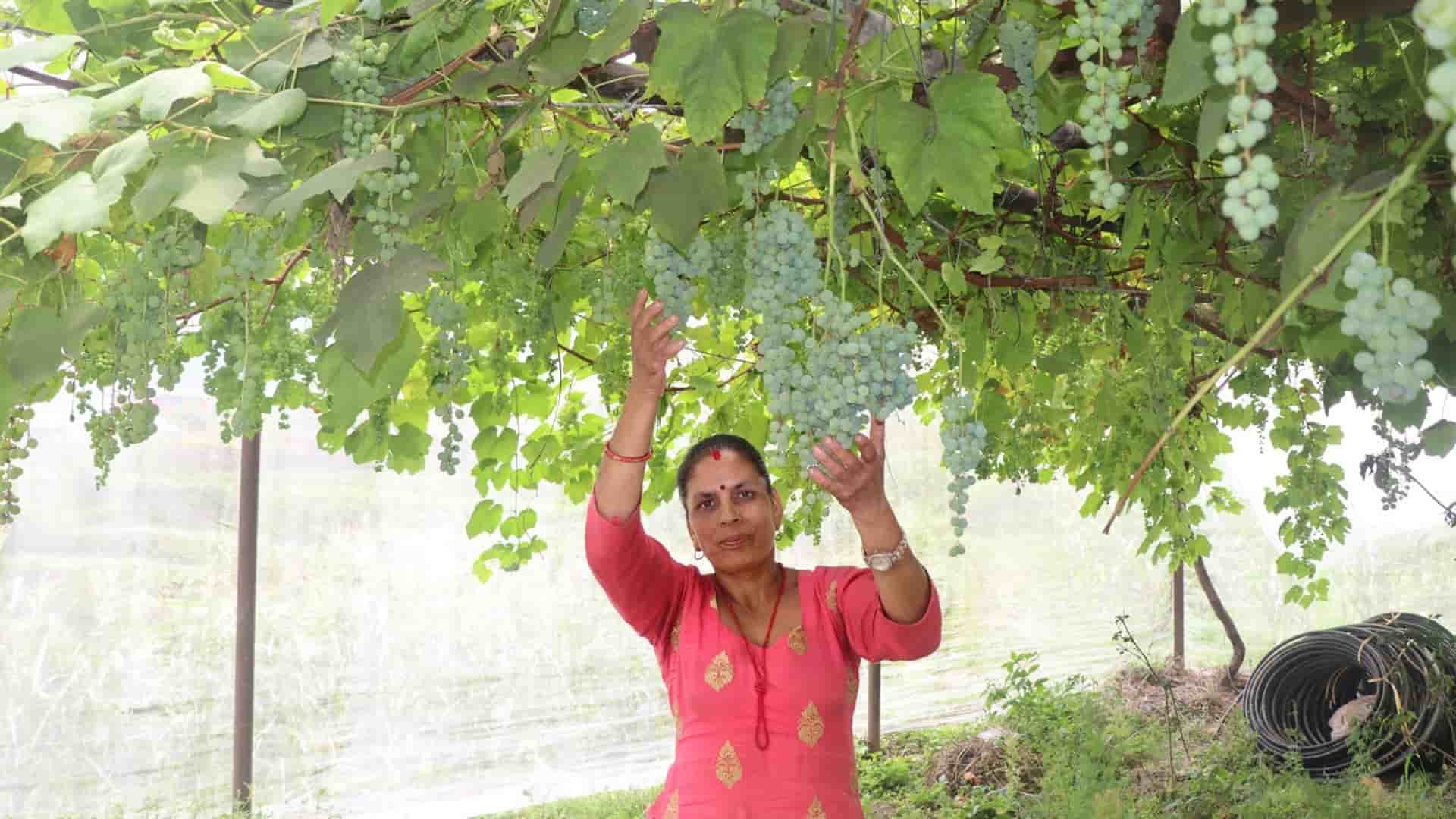
Established in 2016 under the name Paudel Buffalo Farm, the venture has become one of the district’s successful agricultural enterprises. Alongside livestock farming, Paudel cultivates vegetables on two ropanis of land, creating a complementary farming system.
“The manure from the buffalo shed is used in the vegetable fields, while vegetable farming provides additional income. Vegetable leaves and by-products are also used as buffalo feed, making both businesses mutually beneficial,” he said.
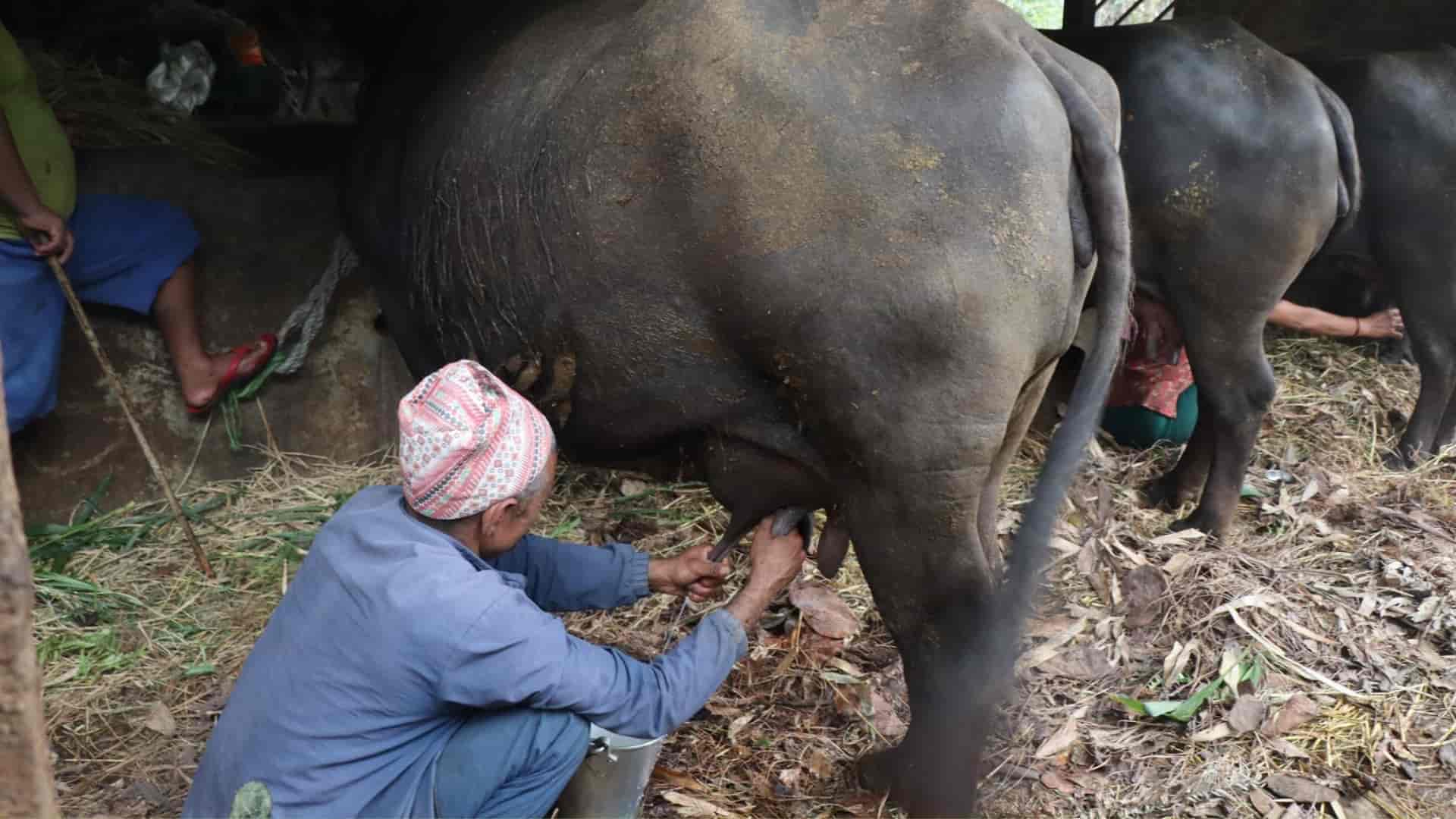
The farm currently produces 50 to 60 liters of milk daily. Around 40 liters are processed into yogurt, while the remaining milk is sold directly to regular customers.
“By noon, all the yogurt is usually sold out. Demand is very high, and it is difficult to keep up,” Paudel said. “The traditional yogurt set in wooden containers has won the hearts of consumers because of its purity and authentic taste. Customers who try it once often return.”
According to him, customer satisfaction has been the key to the business’s growth.
“We have not spent much on advertising,” he said. “The positive feedback and trust of customers have expanded the business.”
Travelers using the Beni–Darbang–Muna–Dhorpatan road are among his primary customers. While he once had to visit homes to sell milk, customers now come directly to his farm.
Paudel says he saves more than NRs 50,000 per month from the sale of milk, yogurt, and vegetables. The income has enabled him to repay the debt incurred during his failed attempt to go abroad and support the education of his four children through bachelor’s level studies.
He credits technical support from the Veterinary Hospital and Livestock Service Expert Center, as well as the local municipality, for helping him expand the business. However, livestock diseases and crop damage caused by monkeys remain ongoing challenges.
Although his dream of working abroad never came true, Paudel refused to let the setback define his future. Instead, he transformed failure into opportunity and built a sustainable livelihood at home.
“You do not have to search for success abroad,” he said. “With hard work and patience, success can be achieved even from a village buffalo shed.”
Paudel’s story stands as an inspiring example of resilience, determination, and the potential for self-reliance within Nepal. Local residents say his success continues to encourage others to seek opportunities at home rather than abroad.