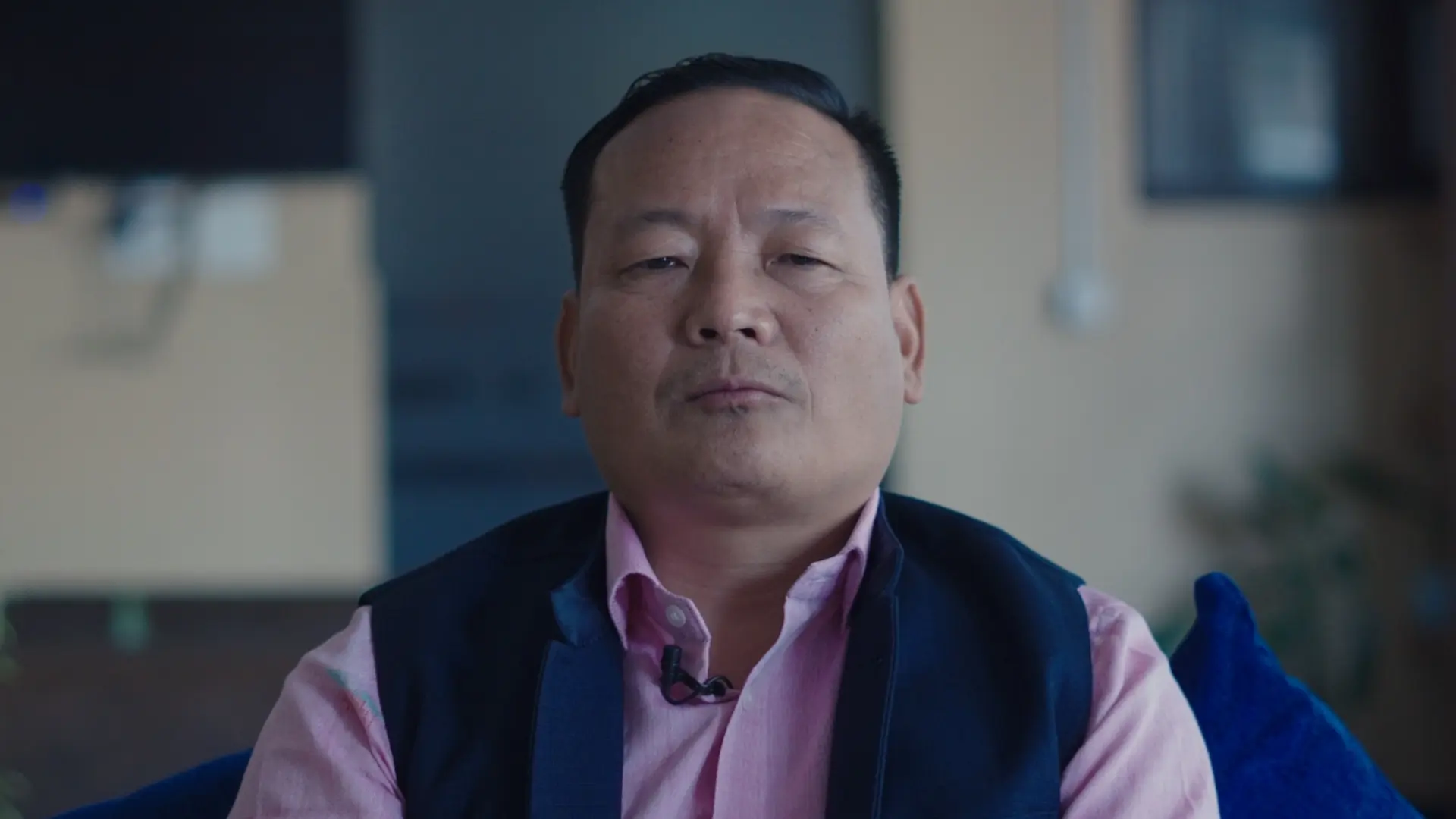

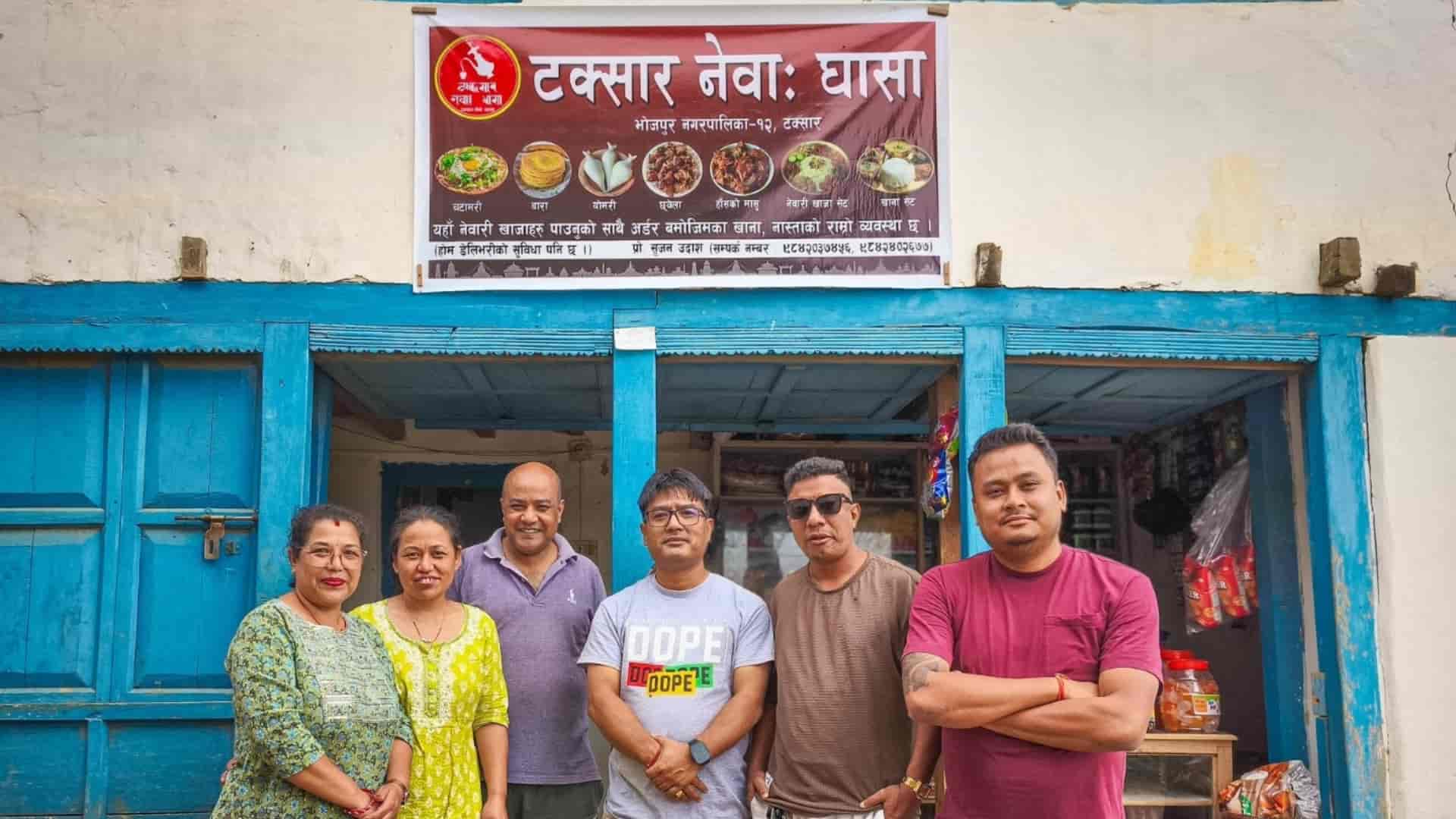
Twelve years ago, Sujan Udas left his hometown of Taksar in search of better opportunities in Kathmandu. At the time, he never imagined that he would one day return to the village and start a business of his own.
After spending more than a decade in the capital, Udas has returned to his roots and launched Taksar Newa Ghasa, a restaurant serving traditional Newari and local cuisine in the historic Taksar Bazaar of Bhojpur Municipality–12. In recent months, the establishment has become a popular destination for both locals and visitors seeking authentic flavors and cultural experiences.
“I didn’t see much potential here before, which is why I left,” said Udas. “But over the past few years, I noticed a growing number of tourists visiting Taksar. That gave me confidence that something meaningful could be done in my own hometown. I have no regrets about returning.”
His return represents more than just a personal business venture. It has also contributed to revitalizing Taksar Bazaar, which had gradually become quieter due to migration and population decline. Local residents say his decision has inspired others who had left the village to consider returning and investing in their hometown.
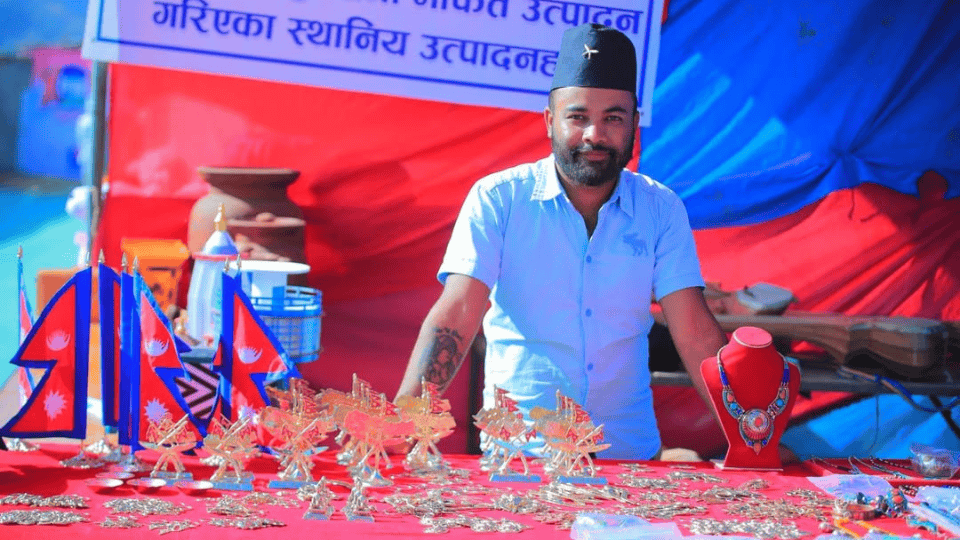
Once known as a center for the production of Nepal’s historic “Doli Paisa” currency, Taksar has faced decades of outmigration. Many of its artistic Newari houses fell into disrepair, while commercial activities steadily declined. However, increasing domestic tourism in recent years has begun to breathe new life into the settlement.
According to local resident Bimal Ranpaheli, Udas is not the only former resident returning to invest in the community.
“The market had been gradually emptying as people moved away,” he said. “Now, some of those who left are coming back and starting businesses. This has created new enthusiasm in the community. The government should also create an environment that encourages more people to return to their villages.”
Locals believe Taksar’s rich cultural heritage, traditional Newari architecture, unique cuisine, and historic settlements are increasingly attracting visitors. They hope tourism will further stimulate the local economy and create new opportunities for residents.
Udas says his goal is not only to build a successful business but also to contribute to local economic development.
“There is a special satisfaction in working in your own hometown,” he said. “If I can help preserve Taksar’s identity while building something meaningful here, that will be my greatest achievement.”
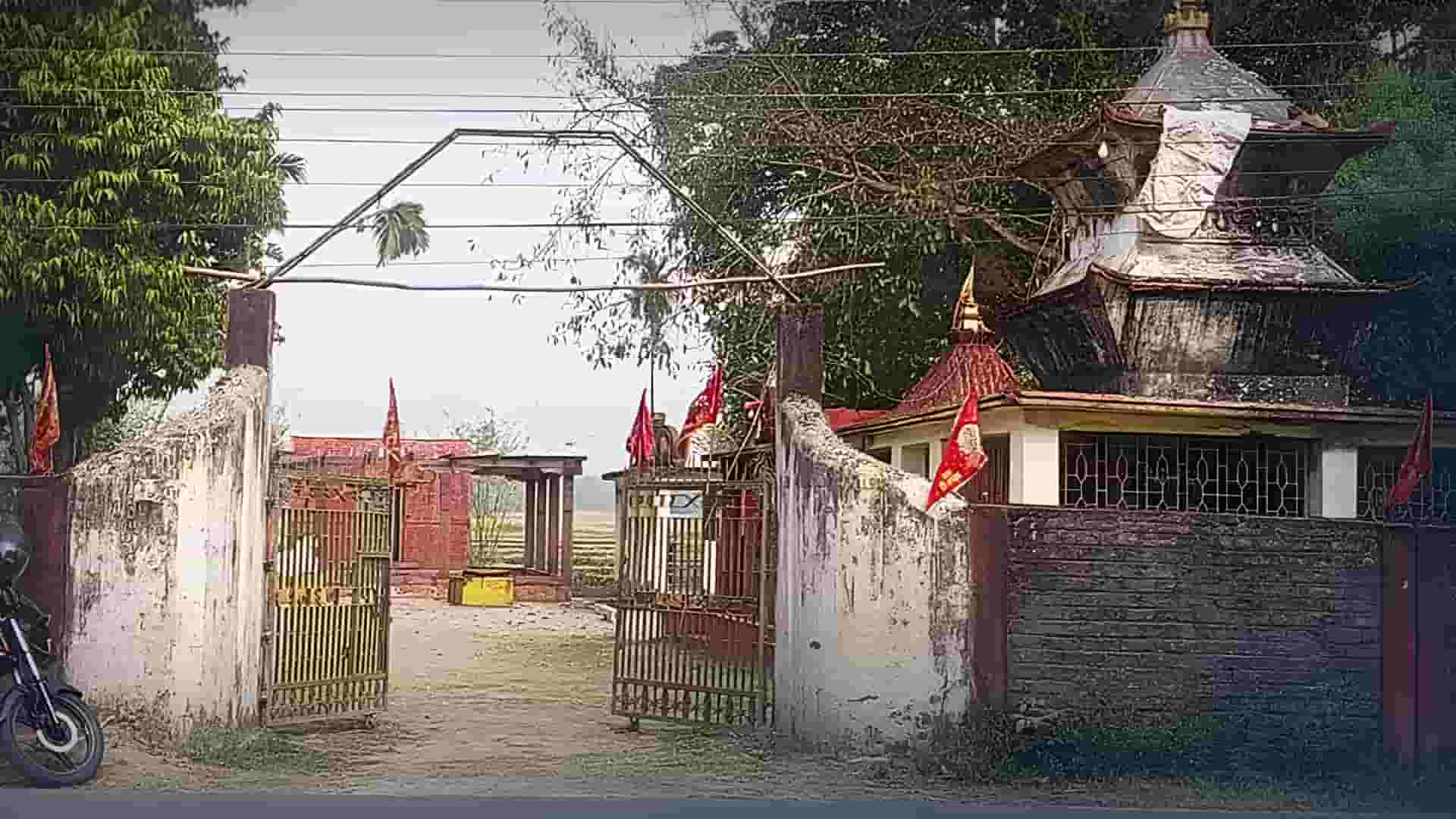
Established in 1815 AD (B.S. 1872) during the reign of King Girvan Yuddha Bikram Shah, Taksar is often referred to as a “Mini Patan” due to its strong Newari cultural influence and the presence of religious sites similar to those found in Patan, Lalitpur. Newar settlers who migrated from Patan brought with them their language, traditions, religion, and cultural practices.
The town is also home to Nepal’s first Shakyamuni Buddhist Monastery, established in 1936 (B.S. 1993). During the Rana era, when Doli Paisa was minted in Taksar, numerous temples, monasteries, stupas, water spouts, rest houses, and statues were constructed in the area.
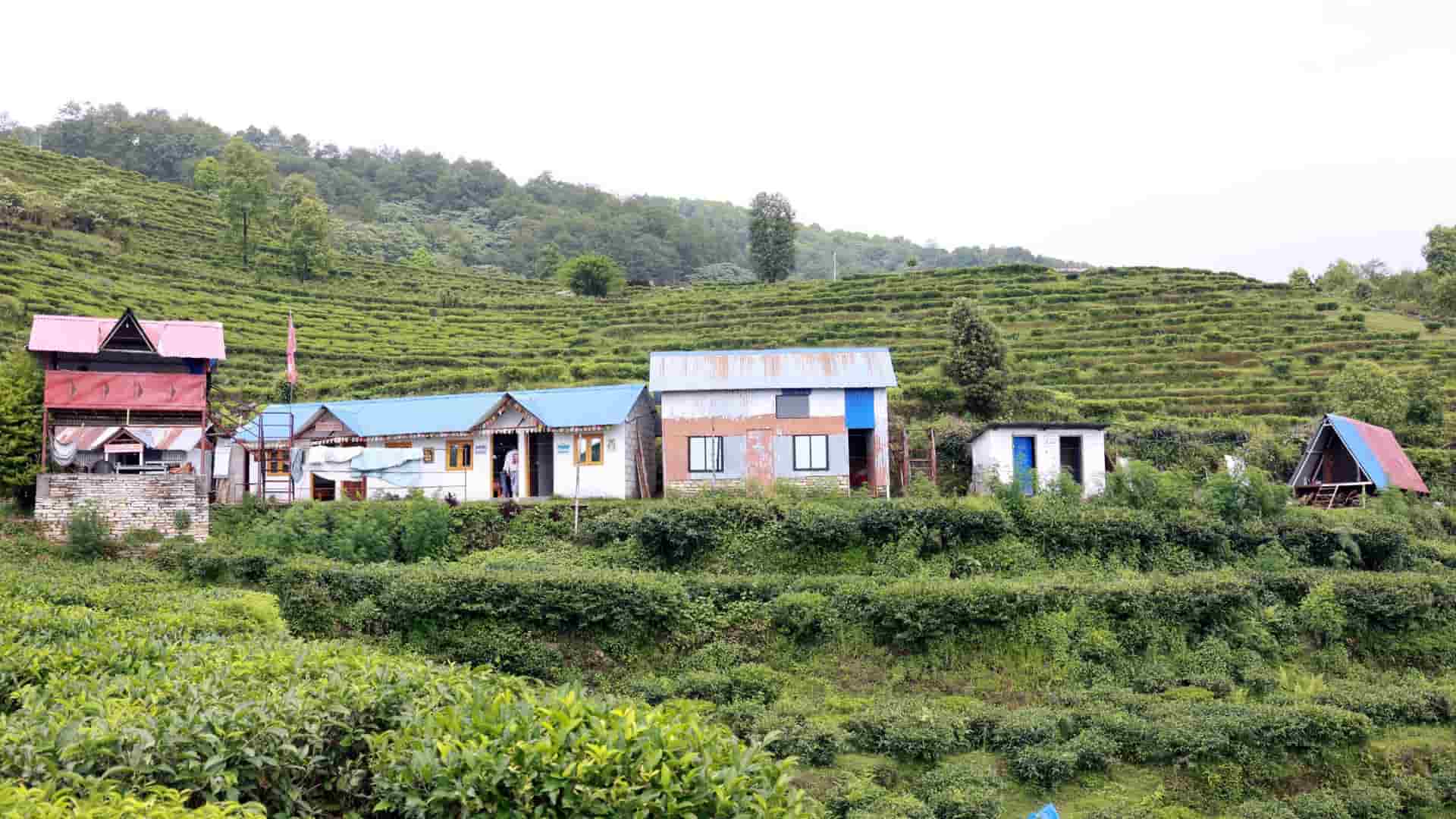
Today, new hotels, restaurants, cafés, and cultural activities are emerging throughout Taksar. Local resident Kishor Kumar Tamrakar believes that with proper heritage conservation and tourism development, the historic town could once again establish itself as one of eastern Nepal’s most attractive travel destinations.