

In many parts of Nepal—rural municipalities, mid-hills, and urban low-income settlements—access to finance is extremely limited. Banks require collateral, investors look for scale, and grants are often difficult to secure. Yet, many businesses still emerge, survive, and thrive in these areas. How? Through bootstrapping.
Bootstrapping means starting and growing your business using personal resources, creative tactics, and careful cash management—without relying on external funding.
This guide offers practical bootstrapping strategies tailored for MSMEs operating in low-income or resource-constrained settings across Nepal.
1. Start Small, Stay Lean
Instead of waiting for ideal conditions or full capital, begin with what you have. Focus on a core product or service that meets immediate local demand.
- Use your home kitchen instead of renting a full space (e.g., homemade sweets in Tulsipur)
- Start with a stall or shared shop space before getting your own shop
- Buy second-hand equipment from businesses closing down
Example: A group of women in Hetauda started a tailoring cooperative using rented machines paid for from their own savings and part-time income.
2. Use What You Already Have
Take stock of your existing resources:
- Skills (sewing, repairing, cooking, teaching, carpentry)
- Assets (a motorbike, a courtyard, basic tools)
- Social capital (relatives, community leaders, or neighbours who can help)
One entrepreneur in Jumla began transporting goods using his father’s old tractor—generating income without buying new machinery.
3. Reinvent Income Streams
Find ways to generate quick, small-scale cash flow while building your core business:
- Offer services alongside products (e.g., selling seeds + planting guidance)
- Teach skills on the side (e.g., a weaver running weekend training)
- Rent out unused equipment (e.g., renting a dough mixer during idle hours)
In Nawalparasi, a small spice grinder who worked from home began training nearby housewives on spice mixing during off-season to generate training income.
4. Work With Community Support Systems
Tap into informal networks that already exist in your area:
- Buy raw materials from neighbors on credit and repay after sales
- Form savings circles or “dhukuti” groups for pooled investment
- Barter services with other businesses (e.g., exchange repair services for supplies)
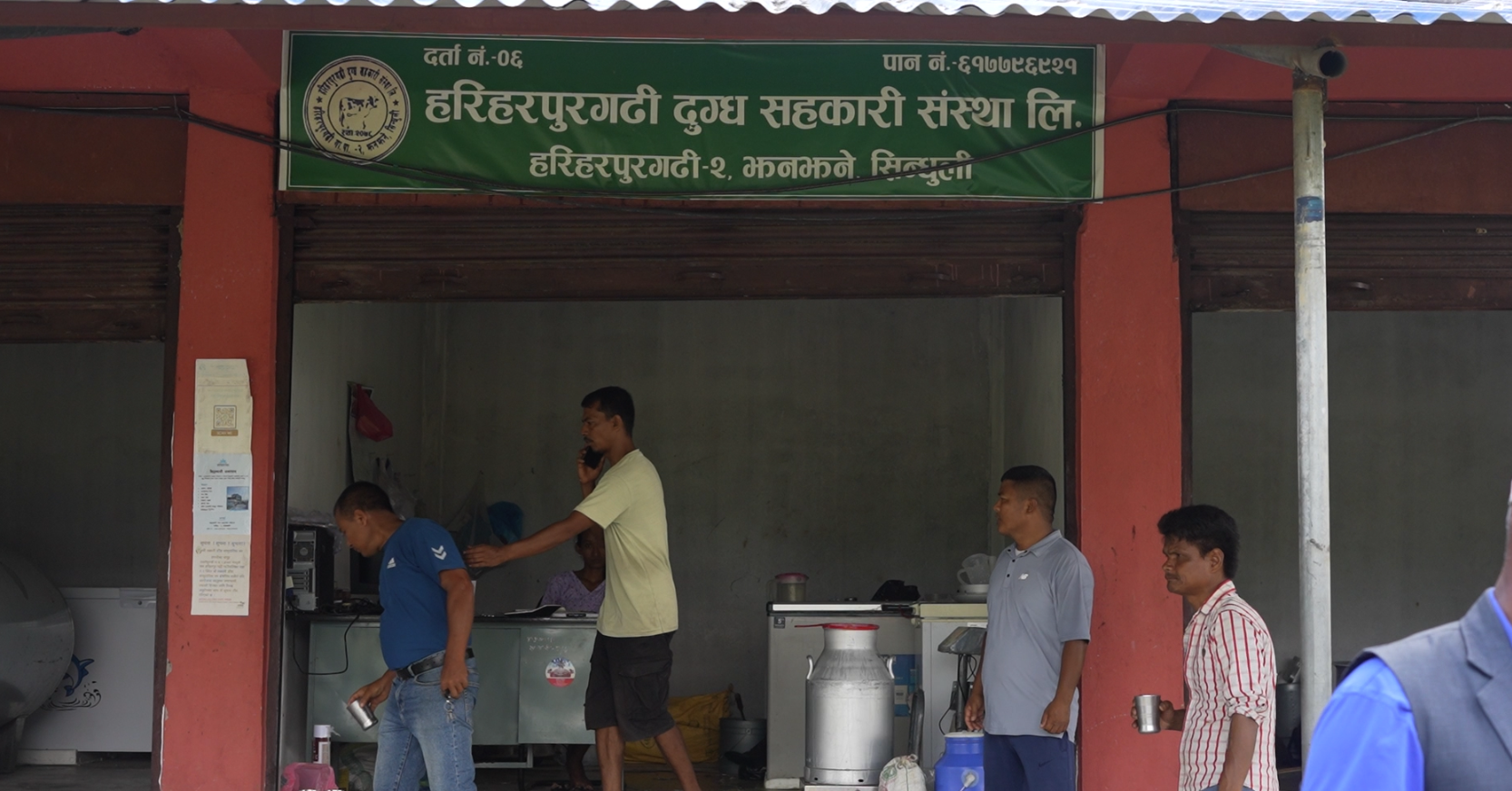
Community-led saving cooperatives have helped many small shops and agri-enterprises in Ramechhap get off the ground without any formal loans.
5. Keep Overheads Low
Reduce your monthly costs aggressively in the early phase:
- Work from home, or use community buildings for initial operations
- Don’t hire until absolutely necessary—work with family or trusted peers
- Use free tools (e.g., notebooks, basic spreadsheets) instead of paid systems
In rural Syangja, a mobile phone repair technician operated from his home’s verandah for two years before renting a shop after reaching stable income.
6. Reinvest Profits First
Instead of taking profits home too early, reinvest in improving quality, increasing stock, or purchasing equipment.
Example: A poultry farmer in Lamjung reinvested all earnings from her first 100 chickens into better feed and a solar-powered water system—doubling her income in one year.
7. Collaborate Instead of Compete
Cooperate with others in your community to pool risk and reduce cost:
- Form producer groups or co-ops to buy raw materials in bulk
- Share transport, cold storage, or packaging costs
- Host joint marketing stalls at local haat bazaars or trade fairs
Multiple herbal soap producers in Kavre share the same packaging supplier and transport network, allowing them to lower per-unit costs.
8. Focus on Cash Flow, Not Just Profit
Track your daily income and expenses carefully. Cash flow is more important than profit in the early stage of business.
- Keep a simple cash ledger or daily notebook
- Plan purchases around expected income cycles
- Avoid offering long credit unless necessary
“Muna aayo bhaney matra kharcha garne.” (Spend only when you’ve earned.) — A local approach that defines disciplined bootstrapping.
9. Test Ideas Before Scaling
Before you expand, test your product/service with real customers. Gather feedback, adjust, and scale slowly.
- Sell small batches before investing in large stock
- Offer trial versions or free samples locally
- Use feedback from trusted customers to improve
A local biscuit maker in Dhading tested multiple flavors with students from nearby schools before standardizing their best-selling variety.
10. Don’t Wait for Perfect Conditions
Perfect never comes. Resource-poor environments can breed innovation and resilience. Use limitations as motivation to be more creative and resourceful.
“Jati chha, tyahi le suru garne.” (Start with what you have.) That is the spirit of Nepalese MSME bootstrapping.
Final Checklist: Are You Bootstrapping Smart?
✅ Have you listed all the resources you already own?
✅ Are you minimizing costs while maintaining quality?
✅ Are you generating income early, even in small ways?
✅ Are you reinvesting profits instead of spending them?
✅ Are you building with community support, not isolation?
Final Note
Bootstrapping isn’t about doing business with nothing. It’s about doing business with something you already have—your time, effort, ideas, and community. In Nepal’s low-income regions, this isn’t just a method—it’s a mindset. Use it wisely, and you can build something strong, even from humble beginnings.