
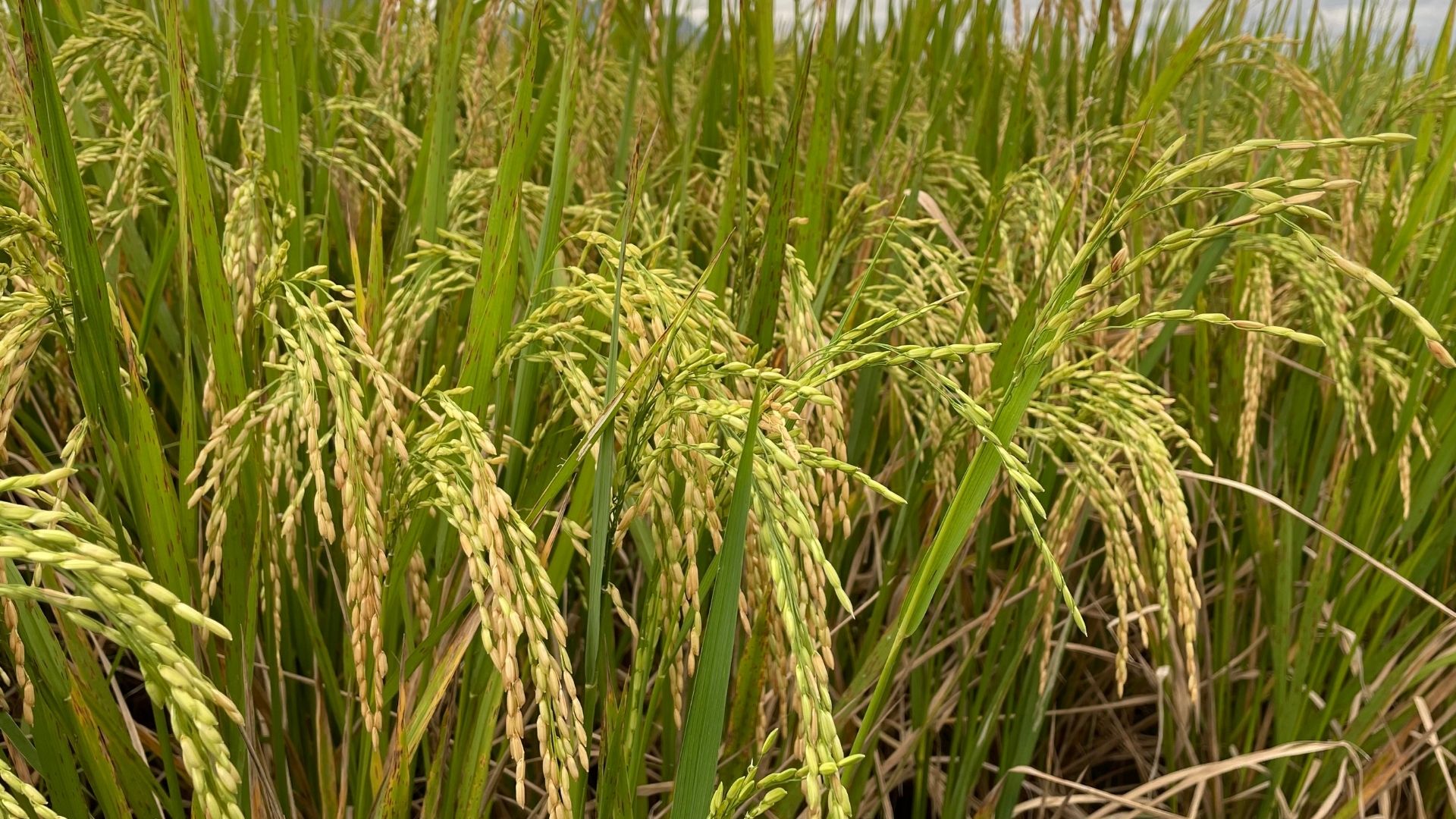
Paddy production in Gulmi district has declined this year. According to the Agriculture Knowledge Centre, production has decreased by eight percent compared to last year. Information Officer Tikaram Neupane reported that the district produced only 22,323 metric tons of paddy this year.
Last year, the district had produced 24,426 metric tons of paddy. Neupane added that both paddy production and the total cultivated area have decreased this year. While paddy was cultivated on 7,288 hectares last year, the area shrank to 6,270 hectares this year.
The Knowledge Centre stated that paddy cultivation and production have been gradually declining in recent years. The decline is attributed to unseasonal rainfall, prolonged drought, rising migration from villages, and the shortage of quality seeds and chemical fertilizers.
Compared to last year, monsoon paddy production has also decreased by eight percent this year. Out of the district’s total paddy cultivation area of 6,585 hectares, 315 hectares is covered by spring paddy (Chaite) and 6,270 hectares by monsoon paddy (Barkhe).
According to Chief Naresh Dhital of the Agriculture Knowledge Centre, this year the district produced 1,286 metric tons of spring paddy and 22,323 metric tons of monsoon paddy. The major paddy-producing fields include Chaurasi of Isma, Johan of Satyawati, Urlikhola, Aslewa, Arbheni of Kaligandaki, Kanauta, Chapachaur, Majuwa of Chandrakot, and Rupakot.
Likewise, Tallafant, Indregauda of Musikot Municipality, Sudi of Badigad, Simaltari and Phulbari of Malika Rural Municipality, and Sirsen of Madane are also among the high-yielding paddy fields. Chhaldi and Panaha of Dhurkot, Garmtari of Gulmi Darbar, Khajryang of Chatrakot, and Manbag are other areas known for strong paddy production.
The import of rice has been increasing recently as locally produced rice struggles to compete with imported varieties in terms of quality and price. Last year, rice worth NRs 50 million was imported into Gulmi. Local varieties such as Hansaraj, Jhotri, Kathe, Bhinuwa, Sanobhatte, Thulobhatte, Kode, Madeyare, Rato Marsi, and Marsi remain the farmers’ preferred choices.
Farmers prefer local rice varieties over improved and hybrid ones because they are softer, tastier, and more filling. The Agriculture Knowledge Centre has also been encouraging farmers to preserve these indigenous paddy seeds.