
“I gave shelter to pigeons, and the pigeons gave me life, stood by me in hardship, and made me self-reliant.”
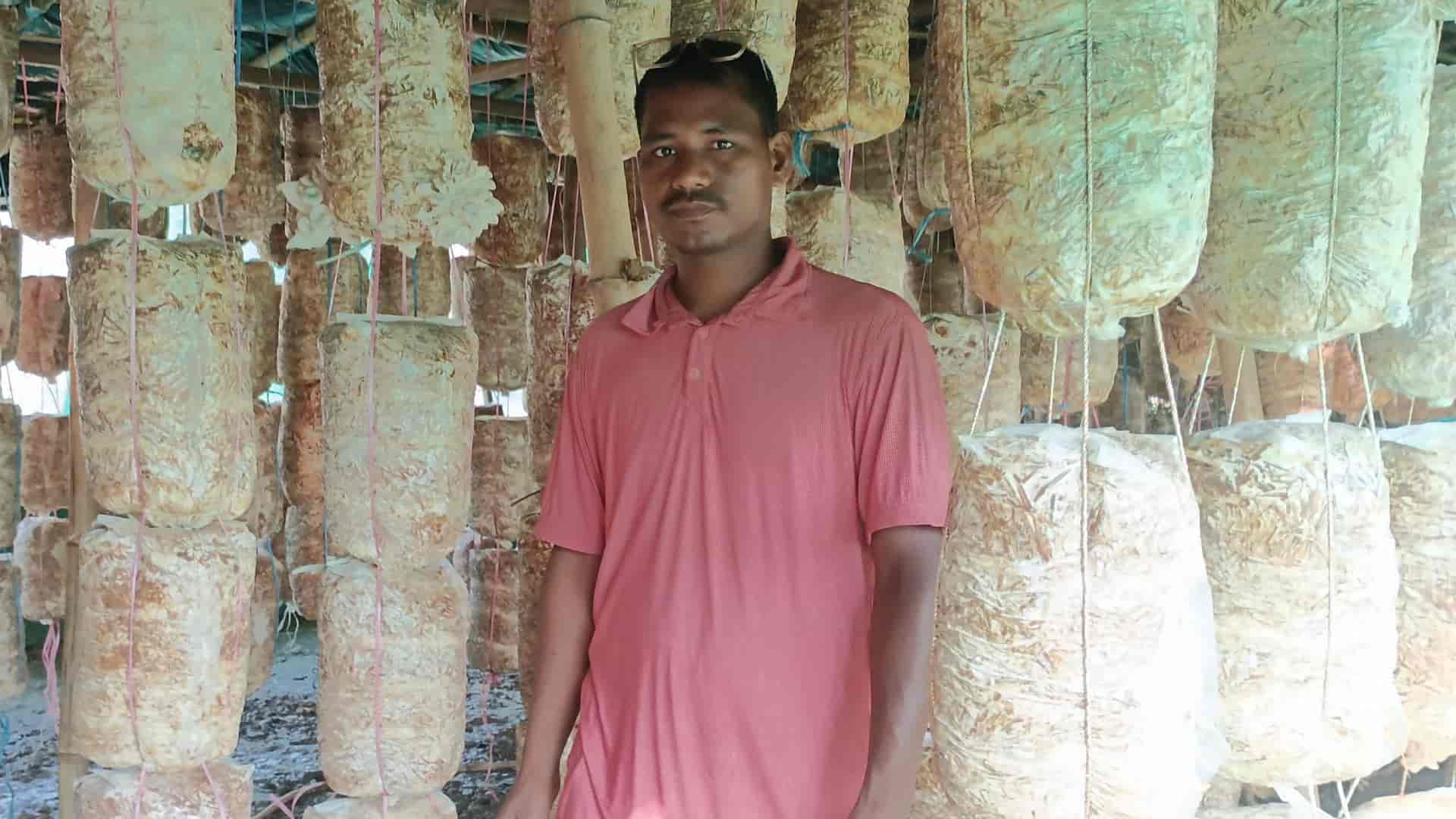
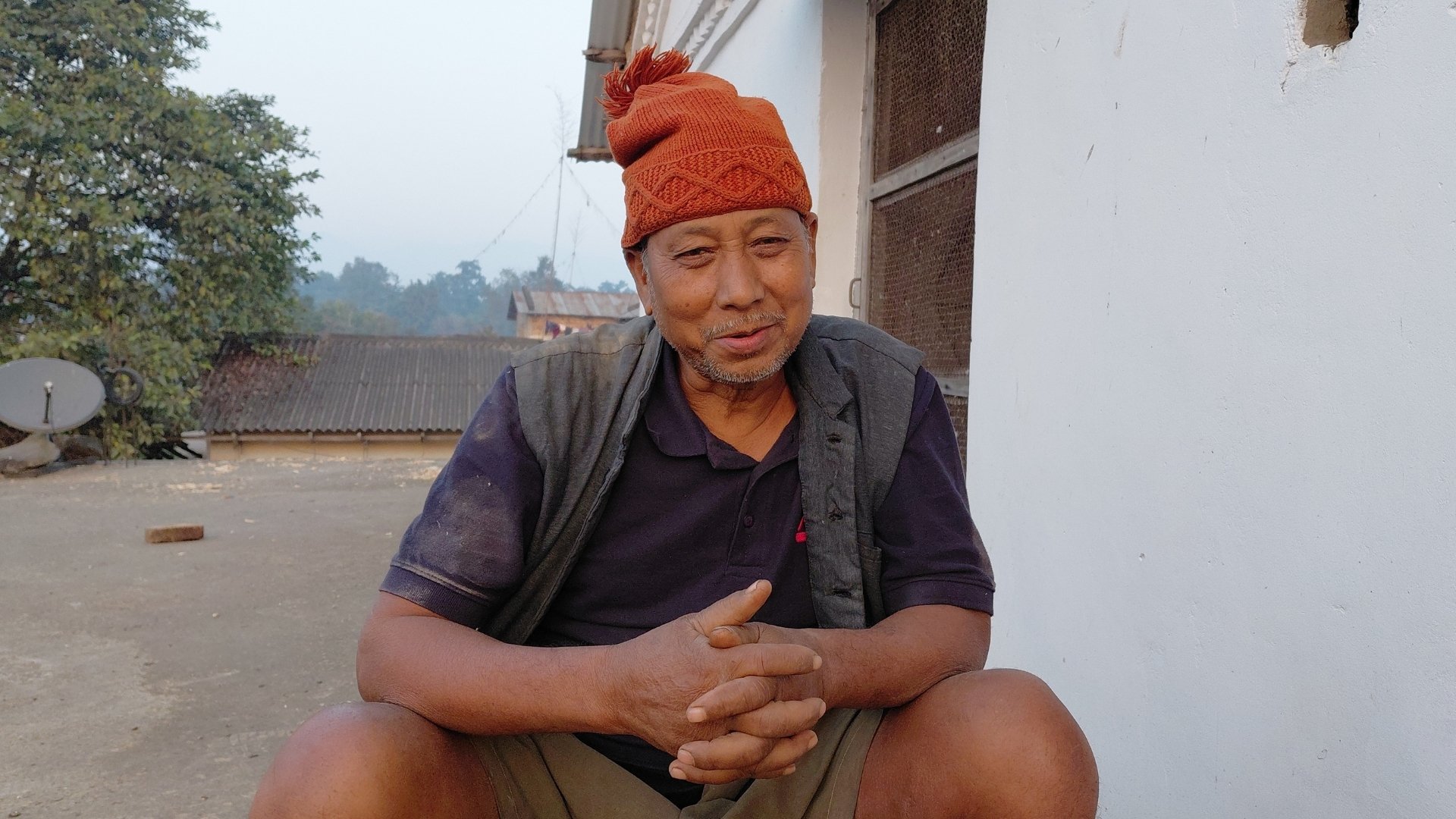
These are the words of Prithvi Bahadur Chaudhary of Baijanath Rural Municipality–1, Chyama, Banke.
About 25 years ago, after noticing a few pigeons wandering around his house, Chaudhary arranged a small shelter for them near his home. What began as a simple act of compassion has today transformed into a livelihood that made him economically self-reliant through pigeon farming.
This bond, born out of empathy for pigeons, has become the foundation of Prithvi Bahadur’s life. It has established him as a self-reliant agricultural entrepreneur within his village. Initially, he had no plan to raise pigeons commercially. Seeing pigeons struggling to find shelter touched him emotionally, prompting him to create a small space for them near his home. Over time, the pigeons settled there permanently, their numbers gradually increasing. Along with their growing population, Prithvi Bahadur’s responsibility, experience, and confidence also expanded. Today, his home hosts a large flock of pigeons that not only fills his courtyard but also secures his family’s future.
According to Hindu scriptures, a house where pigeons reside is believed to be blessed with good fortune, peace, and positive energy. Worldwide, pigeons are also recognized as symbols of peace. These cultural and religious beliefs further deepened Prithvi Chaudhary’s respect and dedication toward pigeons. He believes pigeons have brought not only income but also harmony and balance into his household. The transformation they brought into his life is not only emotional but also economically significant.
Prithvi Bahadur sells a pair of pigeons for NRs 500 to 800. He says that families who have lost loved ones or experienced disappearances during difficult times especially come to purchase pigeons. During peak seasons, he earns NRs 45,000 to 50,000 in a single cycle. This income supports household expenses, his children’s education, medical treatment, and daily needs.
During Shrawan and Bhadra, when natural feed is scarce, he prepares special feed himself. “I spread feed that looks like lentil grains across the rooftop and feed it to the pigeons for two months,” he explains. According to his experience, this feed keeps pigeons healthy and increases production. In winter, due to the belief that pigeon meat helps warm the body, demand rises significantly.
“People come to buy pigeons for temple rituals, vows, festivals, and especially for post-natal care of new mothers,” he says. This steady demand has helped stabilize his income. He has also been using pigeon manure in his farmland since the beginning, which has positively impacted crop yields. Thus, pigeons have become not only a source of income but also an aid to agriculture. Though he initially had no intention to sell pigeons, after selling them twice and earning money, he decided to manage pigeon farming systematically.
Today, income from pigeons has made Prithvi Chaudhary’s family economically strong. He explains, “We need to feed them grains from home for only about two months a year. The rest of the time, pigeons fly every morning to large industrial areas of Nepalgunj to feed and return home together in the evening.”
Prithvi Bahadur’s life is deeply intertwined with pigeons. “I will serve pigeons for as long as I live. They are my family. This is what I know; my life has been dedicated to them,” he says. He spends his days anxiously waiting to see whether all the pigeons that flew out in the morning return safely in the evening. Even pigeons released in other districts after religious vows often return to his home, he shares. Sometimes, pigeons he had already sold return home, making him feel emotional and unexpectedly happy.
Pigeon chicks can be consumed 15 to 21 days after hatching. He constantly worries that hawks or eagles might attack pigeons while they forage. There is a deep emotional bond between Prithvi Chaudhary and his pigeons. His children have grown up alongside them. “Without pigeons, this house feels empty,” he says. Pigeons have made him not only financially stable but also mentally resilient. A life that began in hardship has now become respectable, stable, and self-reliant.
Currently, Prithvi Bahadur earns NRs 25,000 to 30,000 per month regularly from pigeon farming. During festivals, winter, and religious seasons, income increases further. “In peak seasons, I have earned up to NRs 50,000 to 55,000,” he says. “This steady income has secured my family, and pigeons have become the pillar of my life.”
Once, two pairs of pigeons wandering the open sky in search of shelter have today elevated Prithvi Bahadur’s life economically. What started as compassion and emotional connection with animals has built a strong foundation of self-reliance. Pigeons transformed his life and turned an ordinary farmer into a recognized entrepreneur.