
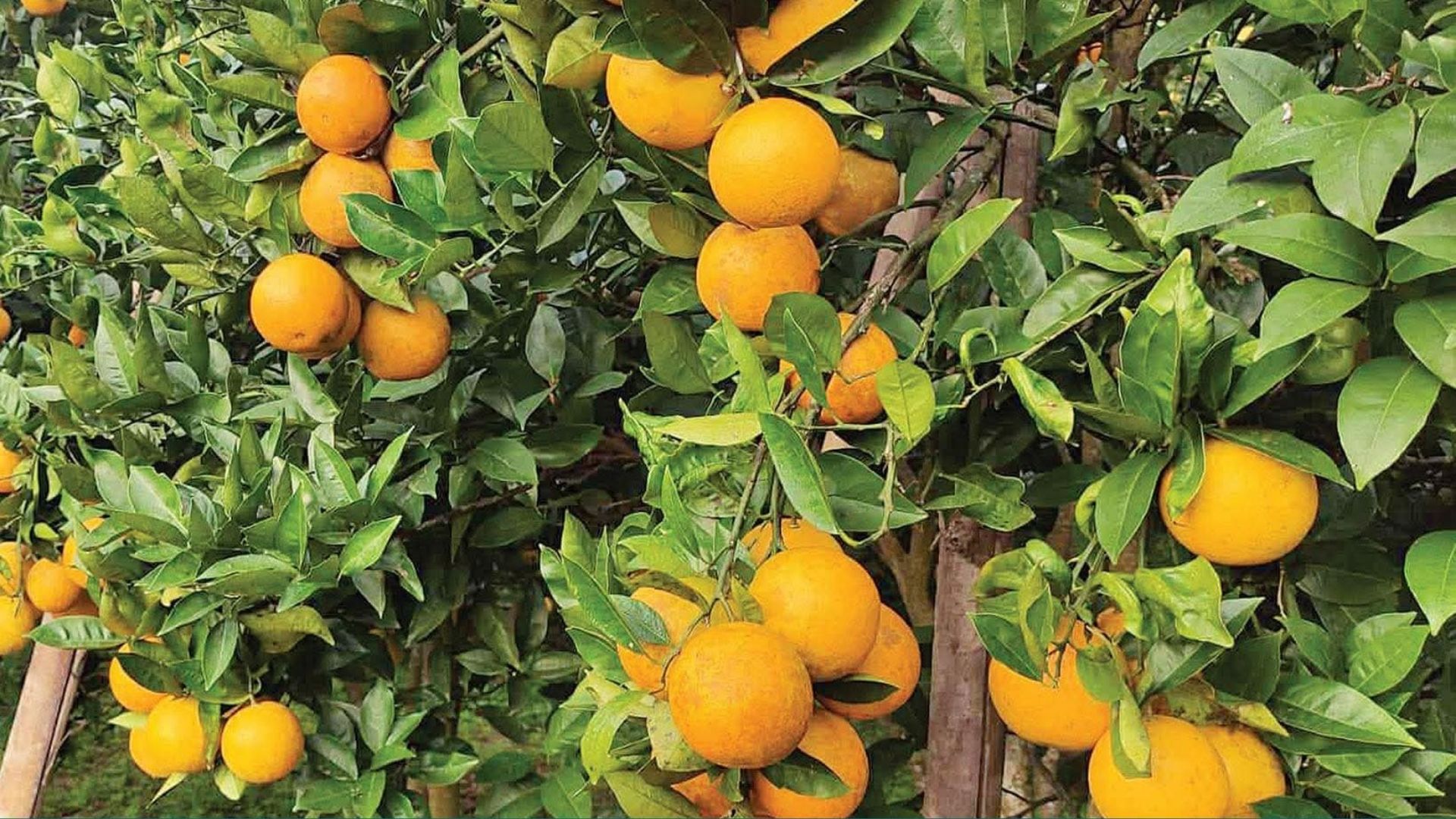

The Mahabharat region of Golanjor Rural Municipality in Sindhuli has turned bright orange with Junaar and oranges. As farmers increasingly prioritize Junaar and orange cultivation as their main crops, orchards across the area are now heavily laden with fruit.
Compared to traditional crops like rice, maize, millet, wheat, and potatoes, Junaar cultivation yields up to ten times more income, making it the preferred choice of nearly all local farmers. To promote the product and expand its reach to the international market, the local government has been organizing the annual Junaar Festival in recent years.
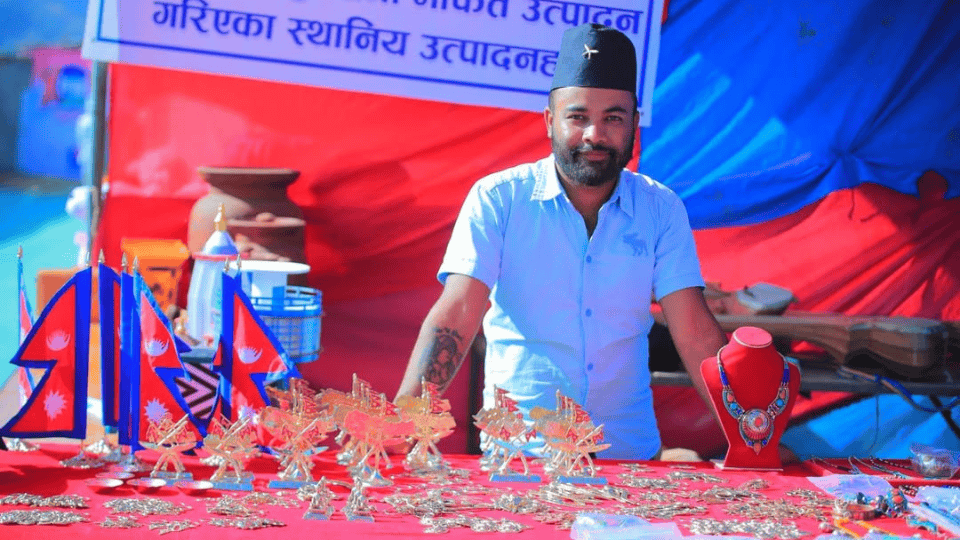
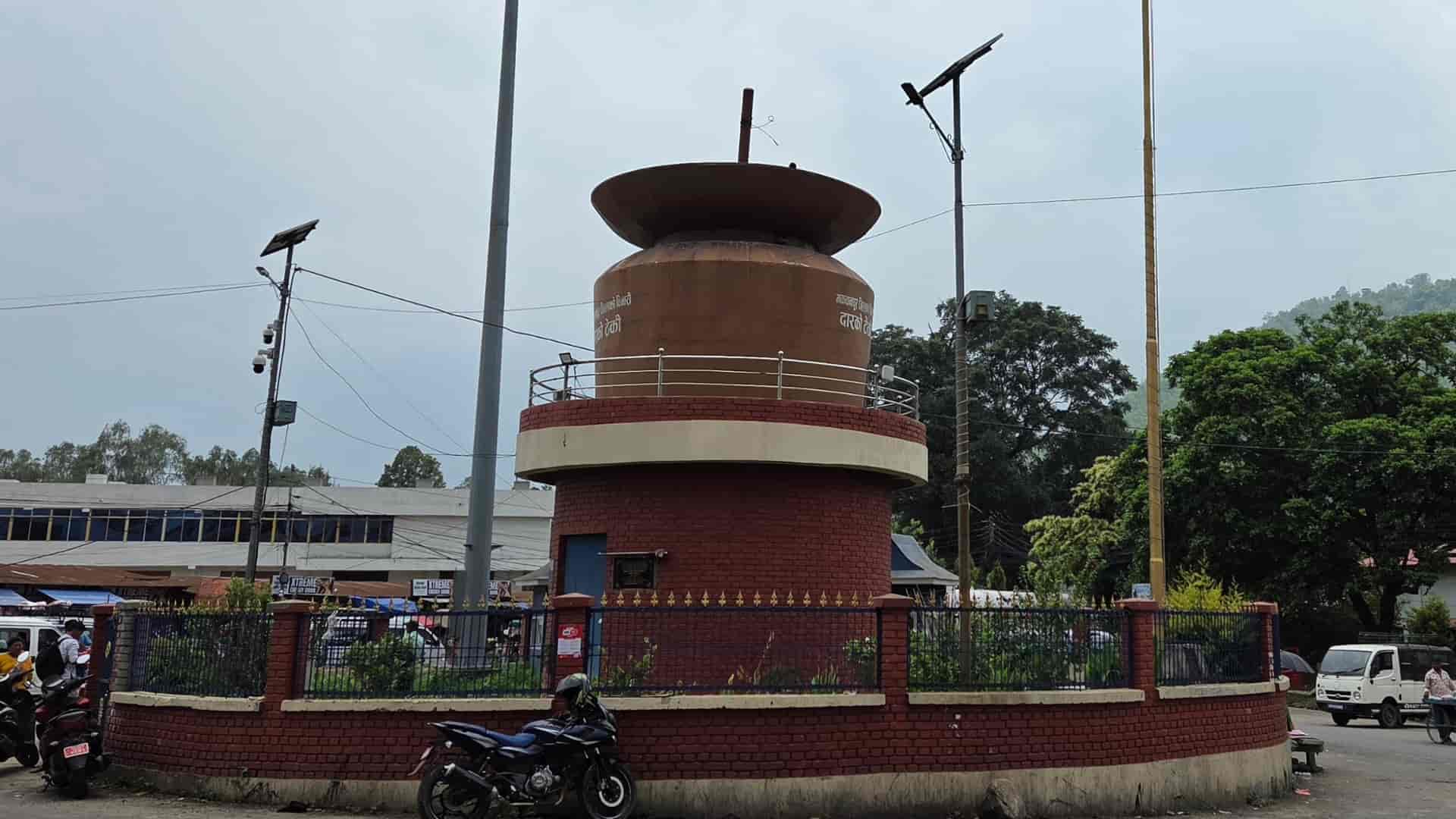
This year as well, the festival will be held from December 8 to 10 (Mangsir 23–25) at Majhku Bhinde in Golanjor-4. The event aims to highlight Junaar as the identity and pride of Sindhuli and Golanjor, while also drawing the attention of provincial and federal governments to the urgent need for well-managed agricultural roads.
Golanjor Rural Municipality Chairperson Shankar Raj Baral said that Junaar cultivation, already a hallmark of Sindhuli, has now become a source of pride for Golanjor. “The objective of this year’s festival is to promote Junaar, expand cultivation, strengthen market linkages, ensure quality, and promote it nationally and internationally,” he said.
Farmers complain that due to the lack of a proper road network in the production areas, much of the fruit spoils before reaching the market. The government has already declared Golanjor a Junaar Super Zone. According to official statistics, around NRs 340 million worth of Junaar was sold from the area in fiscal year 2081/82.
Farmers sell Junaar from their orchards at NRs 50–60 per kilo, while consumers pay NRs 80–100 per kilo in the market.
According to Chandrakant Chaudhary, head of the Agriculture Development Section of Golanjor Rural Municipality, Junaar worth NRs 341.99 million was sold from Golanjor alone in the last fiscal year. Sindhuli district recorded transactions worth NRs 366.41 million. With high potential for Junaar cultivation, efforts to expand plantations are ongoing.
However, the District Junaar Cooperative Association claims that the actual annual value of Junaar trade is nearly double the government figure—around NRs 750 million. Junaar cultivation has long existed in Sindhuli and is spread across 1,100 hectares district-wide.
Commercial cultivation covers about 750 hectares. The climate in all seven wards of Golanjor is suitable for Junaar production. Golanjor alone has around 1,000 hectares under Junaar cultivation, with about 700 hectares farmed commercially.
“The productivity is 13.03 metric tons per hectare. Golanjor produced 9,121 metric tons of Junaar last fiscal year. About 21% of the production is lost to disease, pests, or given away as gifts,” said Chaudhary.
Junaar sold for NRs 55,000 per metric ton last year. Farmers continue to face issues with periodic disease and pest outbreaks. In the past, fungal diseases caused major losses, but Chaudhary said they were brought under control through significant government investment and effort.
Recently, however, farmers are battling a moth infestation. As soon as the fruit becomes sweet, the larvae suck the juice, causing the fruit to rot. Efforts are underway to control this pest.
Fungal diseases have also troubled growers. Meanwhile, changing climate conditions are causing Junaar and orange trees at altitudes between 1,000 and 1,200 meters to dry up.
Marketing remains a problem. Farmers receive low prices, while consumers pay high rates. Farmers with large orchards can sell directly and receive lump-sum payments, which has brought financial relief to many.
Persistent disease and pest issues, lack of market access roads, and the need for road blacktopping are farmers’ top concerns. With proper road infrastructure, the area has strong potential for agricultural tourism.
Junaar from Sindhuli reaches major cities such as Kathmandu, Pokhara, Hetauda, Janakpur, Siraha, Panchthar, Narayangadh, Biratnagar, and Jhapa, as well as Indian border markets. Through the Super Zone program, farmers receive support in training, nursery improvement, irrigation, orchard expansion, and mechanization.
Vice Chairperson Jwala Prasad Nyaopane said roads and marketing remain the biggest challenges for Junaar farmers. “Without support from provincial and federal governments, the municipality cannot blacktop agricultural roads. This festival aims to draw attention to that,” he said.
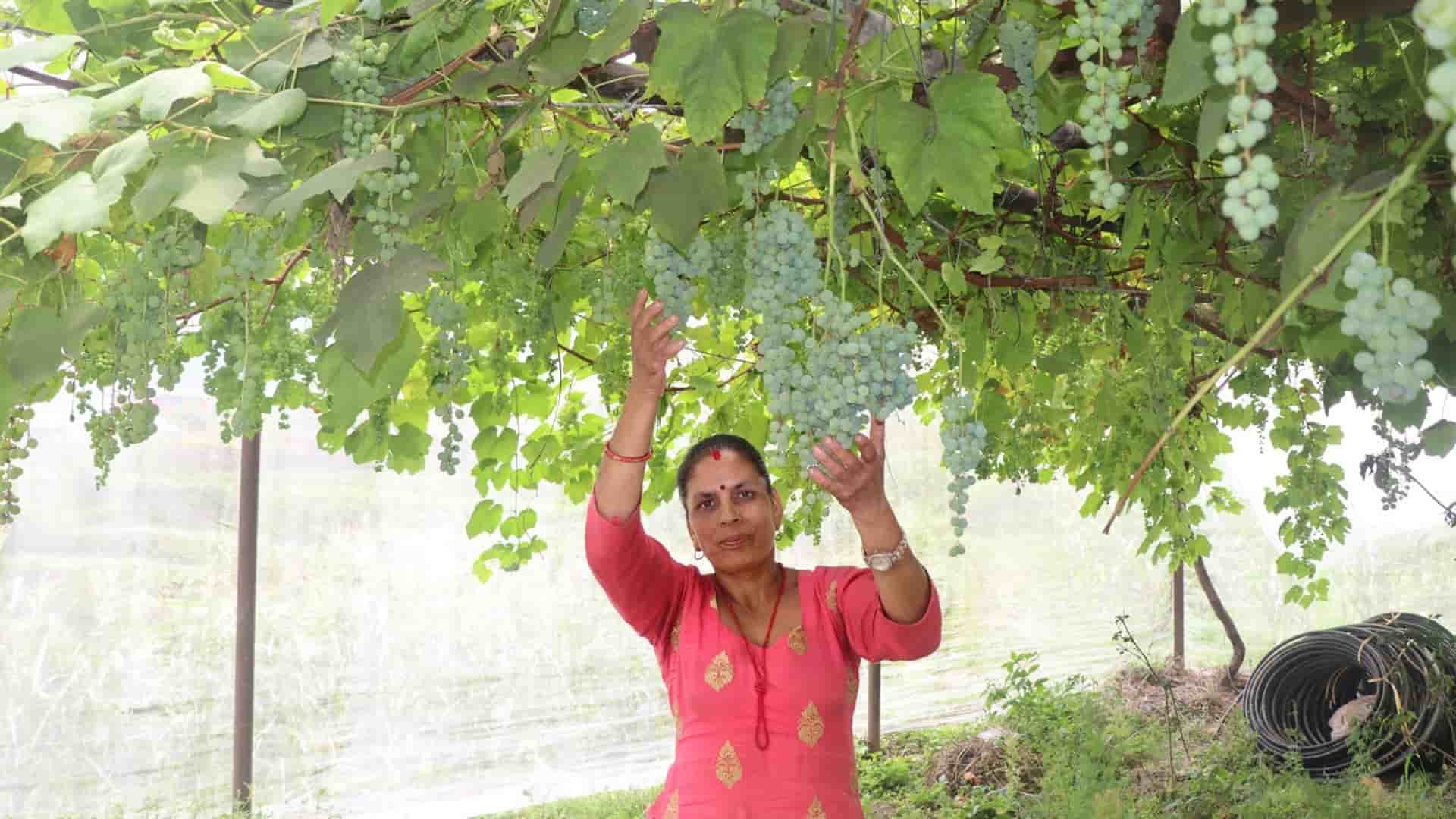
The rural municipality is seeking support to blacktop the Mahabharat agricultural road corridor from Dhapchaur to Bahuntilpung. Junaar–orange farming has also created some employment opportunities for youth in the area. Some farmers have as many as 1,700 trees, and a single tree can yield up to NRs 21,000 worth of fruit.
As more visitors arrive to see Junaar–orange orchards and study the farming system, the prospects for rural tourism have grown. The Junaar boom has also boosted incomes for fruit traders and other local businesses.
Although the ideal harvest season for high-quality Junaar is from December to January, the fruit remains on the tree from October to March. Due to climate change, Junaar—previously grown at lower altitudes—has gradually shifted upward.
Nirmal Ramtel, Chairperson of the District Junaar Cooperative Association, said this year’s festival aims to promote Sindhuli’s Junaar nationwide. “We expect production to reach around 9,500 metric tons this year—worth roughly NRs 850 million. Around 15% of the total is used as gifts. Cultivation area and market value are increasing every year,” he said.
Technology transfer and the establishment of cold storage facilities are underway to support Junaar promotion. Junaar can be processed into 21 different products, including juice. Ramtel noted that the wholesale price at orchards is around NRs 65 per kilo, while consumers still pay NRs 100 per kilo at markets, adding that the middlemen’s margin must be reduced.
He added that climate impacts may be affecting fruit set and quality at different altitudes. Fruits grown at 800–1,000 meters are ready for consumption during Dashain–Tihar, while those at higher altitudes ripen between December–February. Junaar and oranges stored in cold storage after harvesting can last until April.
Sindhuli has around 15 modern cold storage centers with a combined capacity of 1,200 metric tons. With rising interest in farm visits and orchard-based experiences, internal rural tourism is expanding rapidly.
“Agriculture infrastructure such as roads and electricity are essential. Since Sindhuli’s Junaar and oranges are of high quality, road expansion, technology transfer, and creating pathways to reach global markets are crucial,” Ramtel said.
Farmers have also asked the government to establish a Junaar research center in the district to study disease and pest control and provide updated knowledge, arguing that Junaar—an iconic fruit of Nepal—should be advanced toward international markets.
With rising youth interest in Junaar cultivation, many farming households now earn between NRs 500,000 and NRs 3 million annually. Some have even built houses in Kathmandu and financed their children’s medical and engineering studies solely through Junaar farming.